Instruction Manual for Ca Mi NEW HOSPIVAC 350/400 Surgical Aspirator
Comprehensive user guide for the Ca Mi NEW HOSPIVAC 350/400 surgical aspirator, covering setup, operation, safety, maintenance, and troubleshooting.
Table of contents
Manual images
Jump to the sectionProduct Overview
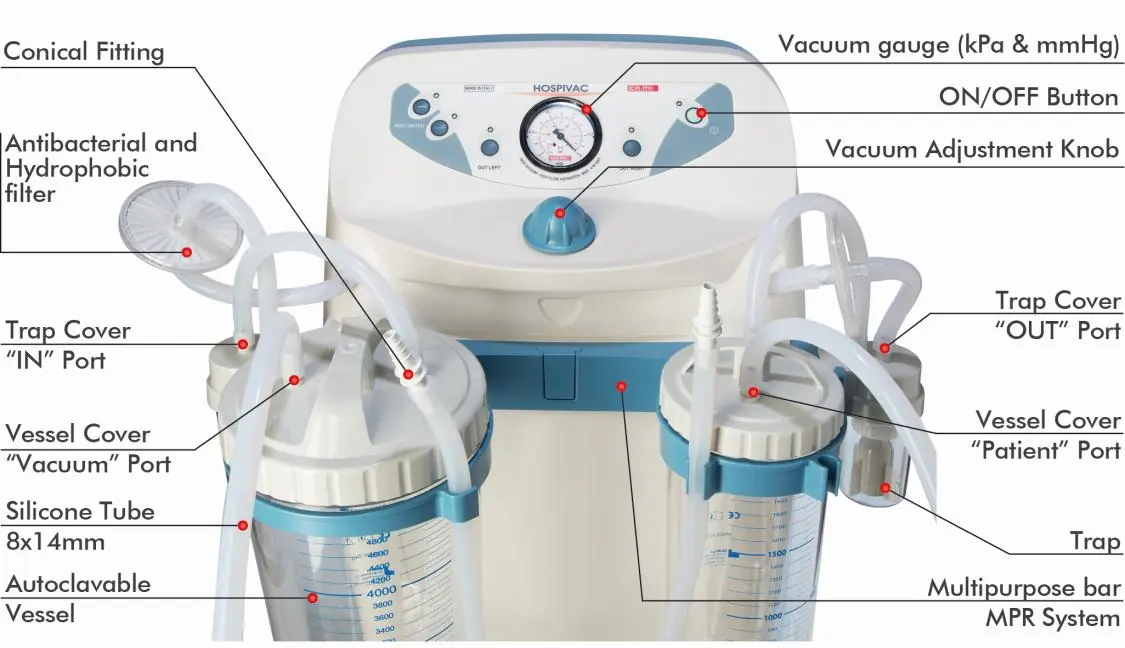
The NEW HOSPIVAC 350 / 400 is a professional surgical aspirator designed for continuous use in hospital wards and operating theatres. It is intended for suctioning body liquids such as mucus, phlegm, and blood. The device features a robust plastic body, a vacuum gauge, and a suction regulator on the front panel. It is equipped with antistatic wheels for easy transport and a multipurpose bar for accessory management.
Safety Information
This device is for use by highly qualified staff only. It must not be disassembled. Always ensure the device is placed on a flat, stable surface to prevent tipping. Do not use in the presence of flammable substances like anaesthetics or oxygen. The device must be used with a bacteriological filter at all times to protect the internal pump. Never immerse the unit in water.
Setup and Operation
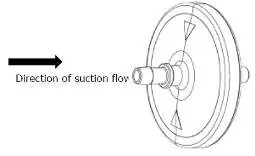
Before use, inspect the mains cable and unit for damage. Connect the antibacterial filter to the safety trap and the vessel cover using the provided silicone tubes. Ensure the filter is oriented with the arrows pointing toward the patient side. The device can be operated via the front panel or an optional footswitch. If using a flow deviator, ensure filters are positioned on both sides.
Maintenance and Cleaning
The device requires no lubrication. Regularly inspect the unit before each use. The aspiration jar, cover, and silicone tubes are autoclavable at 121°C. The antibacterial filter must be replaced if contaminated, wet, or discoloured; it cannot be sterilized. Always wear protective gloves and an apron during cleaning to avoid contact with contaminants.
Troubleshooting
If the unit fails to work, check the power cable and external power source. If suction is low or absent, verify that the vacuum regulator is not set to minimum, check for blocked or kinked tubes, ensure the jar cap is screwed on tightly, and inspect the protection filter. If the float valve fails to close, ensure it is clean and correctly positioned in the cover.
Practical help
Common problems
Check if the cable is damaged or if there is an external power source failure.
Ensure the jar cap is screwed on correctly and the lid seal is properly seated.
Turn the vacuum regulator clockwise, replace the blocked/damaged filter, or check for kinked/disconnected tubes.
Ensure the float is not detached or covered in dirty material; clean or reinsert as necessary.
Before use
- Inspect the unit and mains cable for visual damage.
- Verify that the electrical data on the label matches the mains supply.
- Ensure the antibacterial filter is installed correctly with arrows pointing toward the patient.
- Check that the jar is positioned vertically.
- Perform an autotest by pressing the ON/OFF button.
Specs in practice
- Power Feeding
- 110-127V~ / 60Hz
- Max Suction Pressure
- -90 kPa / -0.90 Bar / -675 mmHg
- Service Life
- 10,000-12,000 hours or 3 years
Images and diagrams
- The front panel includes a vacuum gauge, vacuum adjustment knob, and ON/OFF button.
- The antibacterial filter must be connected between the safety trap and the vacuum source.
- The multipurpose bar allows for the attachment of various accessories like cannula holders.
Model compatibility
- Not suitable for MRI environments.
- Not for use to drain chest fluids.
- Suction probes must comply with ISO 10993-1 standards.

Manual page author
Emily Carter
User documentation editor
Prepares concise manual descriptions and highlights the most useful setup, operation, and maintenance information for readers.