First Alert Smoke and Carbon Monoxide Alarm Safety Guide
Essential safety guidelines for First Alert smoke and carbon monoxide alarms, covering installation, testing, battery maintenance, and replacement schedules.
Table of contents
Quick Safety Guide
This guide outlines the essential safety practices for maintaining your home's smoke and carbon monoxide detection systems. Following these steps ensures optimal protection for your household.
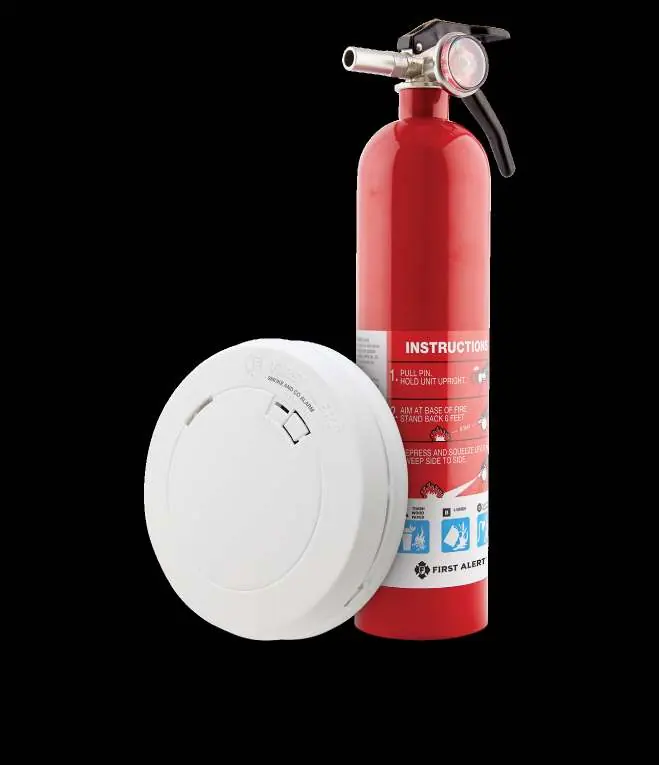
Installation and Placement
Proper placement is critical for early detection. Ensure that smoke and carbon monoxide alarms are installed on every level of your home and inside every bedroom.
Testing and Maintenance
Regular maintenance is required to ensure the devices function correctly during an emergency:
- Test alarms regularly: Perform routine tests to verify the alarm sound and sensor functionality.
- Battery management: If your unit uses replaceable batteries, change them every 6 months. If you have a 10-year sealed battery alarm, the battery is designed to last for the life of the unit.
Replacement Schedule
Smoke and carbon monoxide alarms have a limited lifespan. Replace all alarm units at least every 10 years to ensure continued reliability.
Emergency Planning
Equipment is only one part of home safety. Develop and practice your emergency escape plan with all household members at least twice a year.
Manufacturer information
First Alert
Practical help
Common problems
Ensure the battery is active or the unit is not expired.
Replace the entire alarm unit immediately as sensors degrade over time.
Before use
- Install alarms on every level of the home.
- Install alarms in every bedroom.
- Test the alarm functionality regularly.
- Create an emergency escape plan.
- Check if your unit requires battery changes every 6 months or is a 10-year sealed model.

Manual page author
Michael Turner
Technical manual editor
Reviews PDF manuals for structure, safety notes, and practical product details so readers can find the right information quickly.