Industrial / Electrical
Guide to 17th Edition Consumer Units
A comprehensive guide to understanding the 17th Edition Wiring Regulations and their impact on the design, installation, and safety requirements of consumer units in domestic premises.
Table of contents
Introduction to 17th Edition Regulations
The 17th Edition of the Wiring Regulations introduced significant changes to electrical installation safety. This guide outlines the critical requirements for consumer units, focusing on fire safety, circuit protection, and compliance with Building Regulations.
Building Regulations and Installation
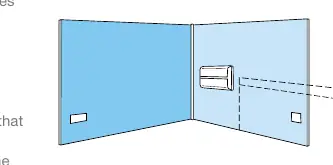
Part P of the Building Regulations mandates that electrical equipment in new dwellings must be easily accessible. Consumer units should be mounted with switches at a height between 1350mm and 1450mm above the finished floor level to ensure they are reachable while remaining out of the reach of young children.
Fire Safety and Enclosures
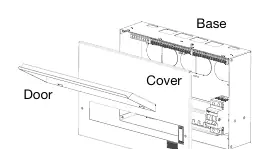
Regulation 421.1.201 requires that consumer units in domestic premises be manufactured from non-combustible material, such as steel, to contain potential fires caused by poor connections. Installers must ensure that any cable entry holes are kept to a minimum size, with gaps not exceeding 1.0mm for the top surface and 2.5mm for other surfaces, to maintain fire containment.
Circuit Protection and RCDs
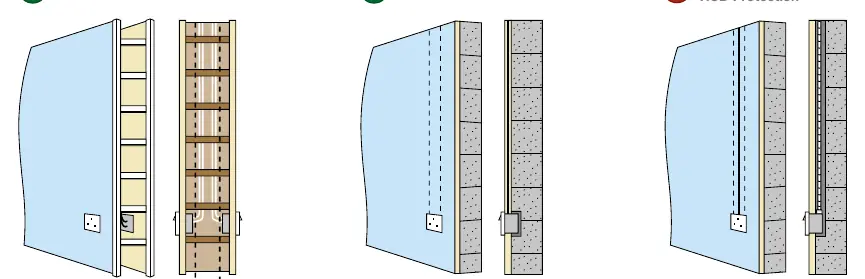
Socket outlets for general use in domestic installations require RCD protection not exceeding 30mA. Furthermore, cables buried in walls at a depth of less than 50mm require mechanical protection or additional RCD protection. Special locations, such as bathrooms, swimming pools, and saunas, have specific requirements for RCD protection to ensure safety in high-risk environments.
Consumer Unit Arrangements
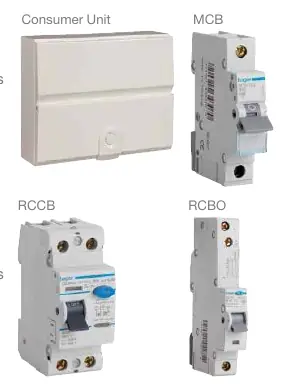
Designers must carefully consider the division of installations to avoid hazards and minimize inconvenience during faults. Using a single 30mA RCD for all circuits is generally unsuitable due to the risk of nuisance tripping. Recommended arrangements include:
- Option 1: Using RCBOs for every outgoing circuit to ensure faults are isolated.
- Option 2-5: Various split-load configurations using multiple RCCBs to balance safety and convenience, ensuring that critical circuits like smoke alarms remain operational.
Device Standards
Consumer units must comply with BS EN 61439-3. It is critical that only devices approved by the original manufacturer are installed. Using components from different brands invalidates the unit's testing, certification, and warranty.
Related manuals
Related manuals from the same brand or category.

Manual page author
Michael Turner
Technical manual editor
Reviews PDF manuals for structure, safety notes, and practical product details so readers can find the right information quickly.