SFDC LW Series Laser Welding Machine Operation Manual
Comprehensive operation and maintenance manual for the SFDC LW Series handheld laser welding machines (150W-2000W models), covering safety, installation, parameter settings, and troubleshooting.
Table of contents
Product Overview
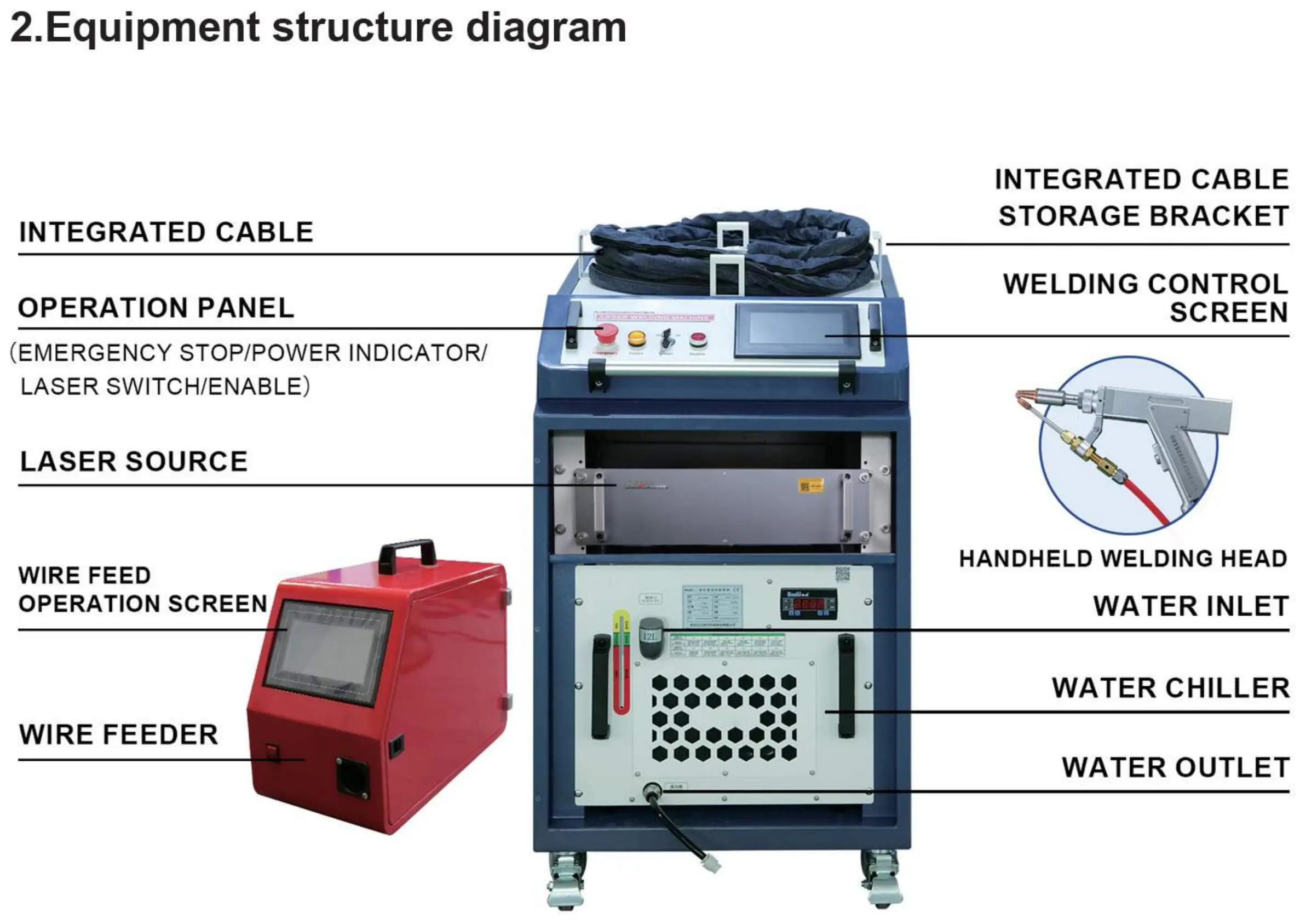
The SFDC LW Series is a professional handheld laser welding machine designed for precision welding of materials including carbon steel, stainless steel, aluminum, and copper. The system features a high-power fiber laser source, an integrated water cooling system, and a handheld welding head that supports various welding techniques such as spot, tailor, and stitch welding.
Safety Precautions
This equipment is a Class IV laser device and requires strict adherence to safety protocols:
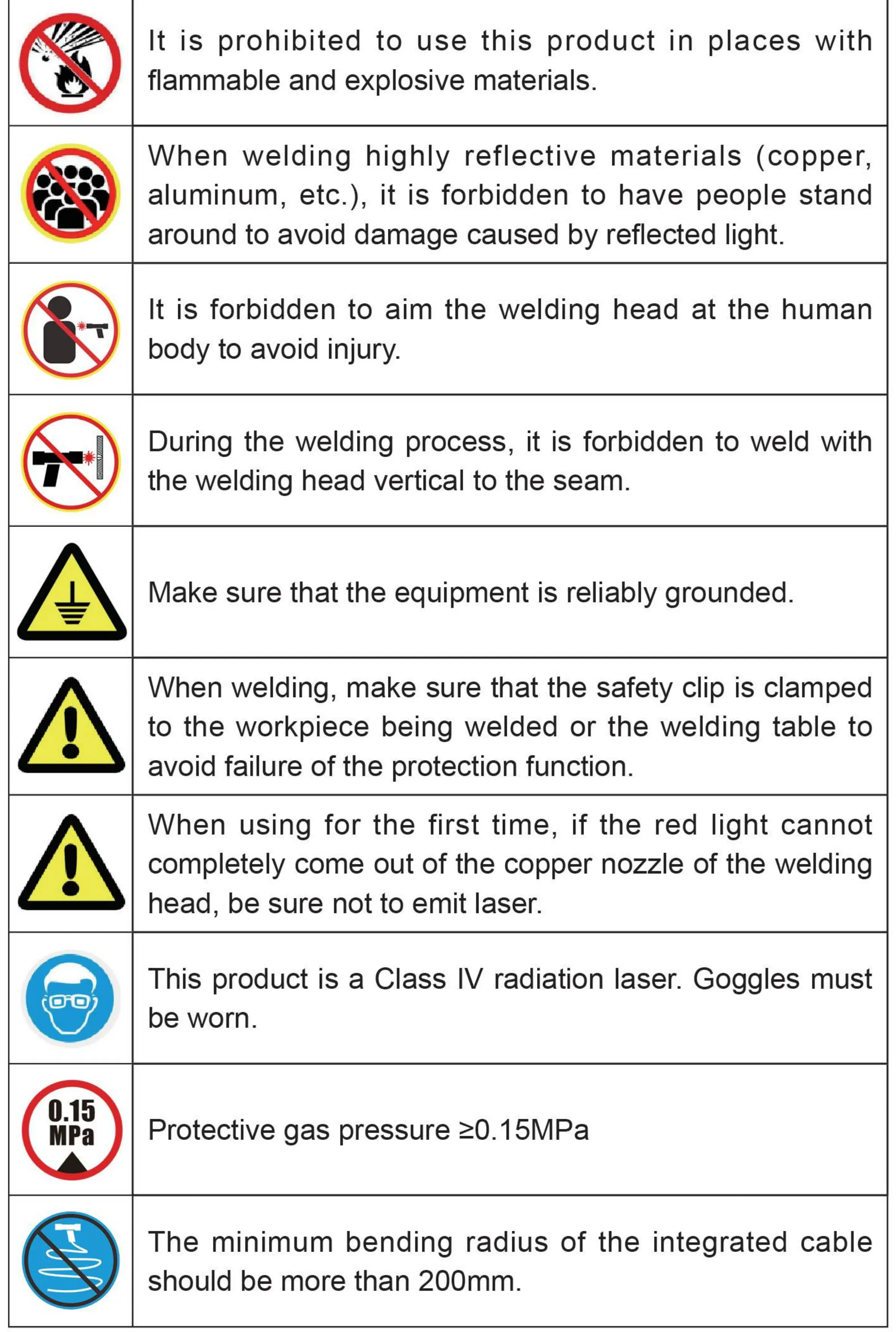
- Always wear certified laser safety goggles during operation.
- Ensure the equipment is reliably grounded.
- Do not aim the welding head at humans or animals.
- Operate only in environments free from flammable or explosive materials.
- Maintain a protective gas pressure of at least 0.15MPa.
- Ensure the integrated cable is not bent beyond a 200mm radius.
- Use the safety clip on the workpiece to ensure proper electrical contact.
Installation and Setup
Proper installation is critical for performance and longevity:
- Maintain at least 60cm of clearance around the machine for adequate ventilation.
- Ensure the ambient temperature is between 0°C and 35°C with 40%-80% humidity.
- Connect the power supply, protective gas, and control cables according to the provided diagrams.
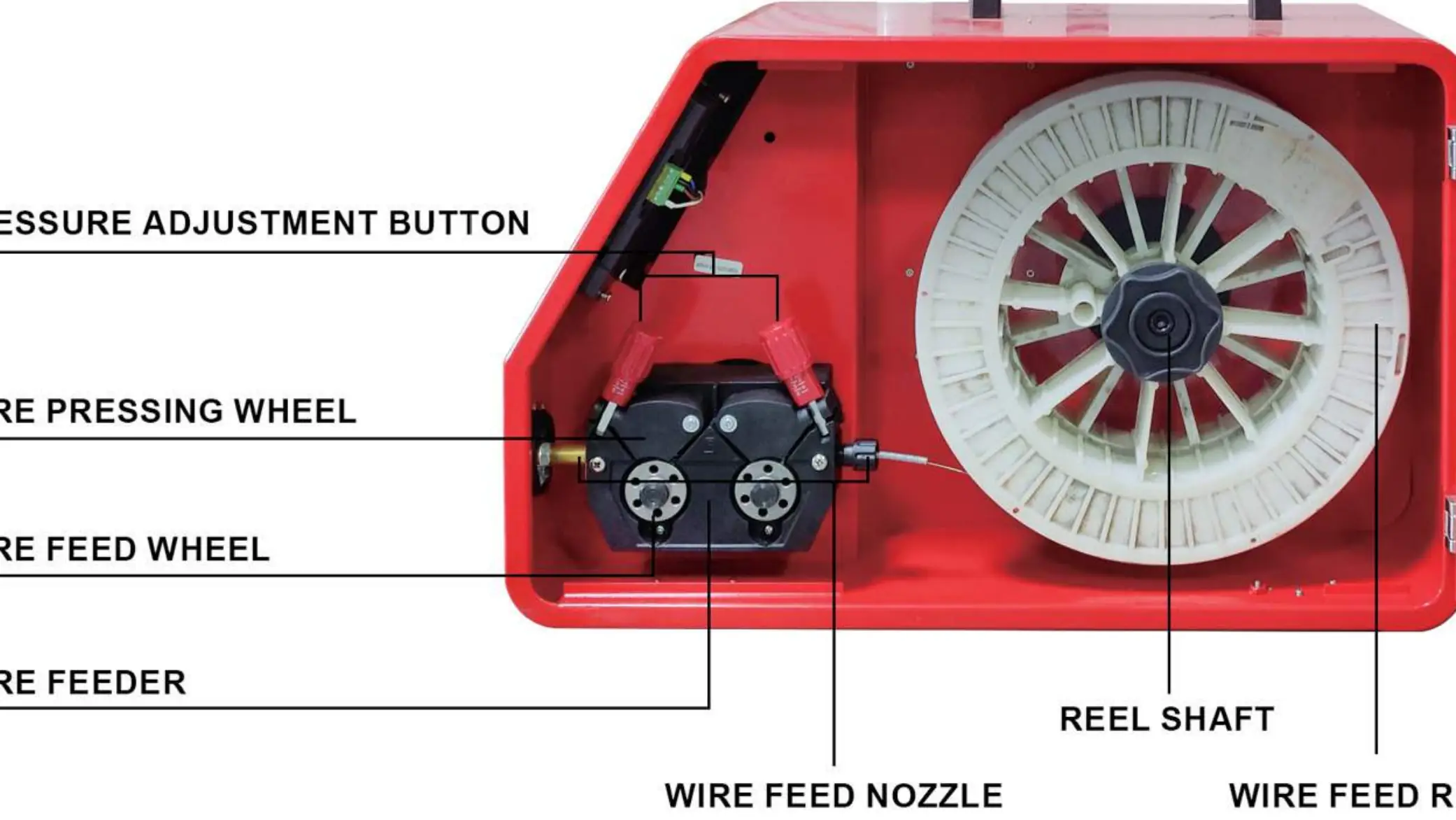
- Install the welding wire by aligning the reel and passing it through the wire feeding mechanism to the nozzle.
- Perform manual focus calibration before the first use by adjusting the telescopic tube on the welding head.
Operation and Control
The system is managed via a digital control interface that allows for precise adjustment of welding parameters:
- Scan Speed and Width: Controls the laser movement and coverage area.
- Peak Power and Frequency: Adjusts the energy output and modulation for different material thicknesses.
- Duty Cycle: Sets the modulation signal period.
- Wire Feeder: Managed through a dedicated interface to control feeding speed and retraction for broken wire management.
Maintenance and Troubleshooting
Regular maintenance ensures consistent weld quality:
- Daily Inspection: Check the protective lens for contamination. Clean with a dust-free cotton swab and special cleaning solution if necessary.
- Water Chiller: Regularly clean the condenser and dust filter. Replace coolant every 3 months or after long periods of inactivity.
- Troubleshooting: If energy loss occurs, inspect the optical lens for damage or dirt. If the welding head overheats, check for optical path deflection or loose connections. Always ensure the system is powered down and cooled before performing internal maintenance.