Bosch UniversalHammer 18V Cordless Hammer Drill Instruction Manual
Quick guide for the Bosch UniversalHammer 18V, covering operation modes, bit installation, and performance recommendations based on battery capacity.
Table of contents
Manual images
Jump to the sectionQuick guide from the manual
This document provides essential operational guidance for the Bosch UniversalHammer 18V. It outlines the tool's primary operating modes, the procedure for inserting and removing drill bits, and performance expectations based on the battery capacity used.
Operating modes
The tool features a mode selector dial to switch between different applications:
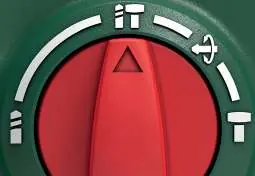
- Drilling: Standard drilling in wood, metal, or plastic.
- Hammer Drilling: For drilling in masonry and concrete.
- Chiseling: For light chiseling tasks.
Tool operation
Inserting and removing bits:

- Ensure the tool is in the correct mode for the accessory being used.
- Insert the SDS-plus shank bit into the chuck until it locks into place.
- To remove, pull the locking sleeve back and pull the bit out.
Performance recommendations:
The efficiency of the tool varies depending on the battery capacity:
- Batteries ≤ 3.0 Ah: Suitable for standard drilling and light-duty tasks.
- Batteries ≥ 4.0 Ah: Recommended for more demanding applications, including extended hammer drilling and chiseling.
Manufacturer information
Bosch
Practical help
Common problems
Ensure you are using a battery with a capacity of at least 4.0 Ah for optimal power delivery.
Ensure the SDS-plus shank is clean and properly aligned; pull the locking sleeve fully back when removing the bit.
Before use
- Check that the battery is fully charged.
- Select the appropriate operating mode on the red dial for your specific task (drilling, hammer drilling, or chiseling).
- Ensure the correct SDS-plus accessory is securely inserted into the chuck.
- Verify the battery capacity is sufficient for the intended application.

Manual page author
David Miller
Documentation analyst
Organizes user manual content into clear summaries, with attention to model details, product context, and everyday usability.