General / Other Manuals
Draper 50, 100 & 120 Litre Compressors Instructions
Comprehensive operating and maintenance instructions for Draper 50, 100, and 120-litre air compressors, including safety guidelines, technical specifications, and troubleshooting.
Table of contents
Product Overview
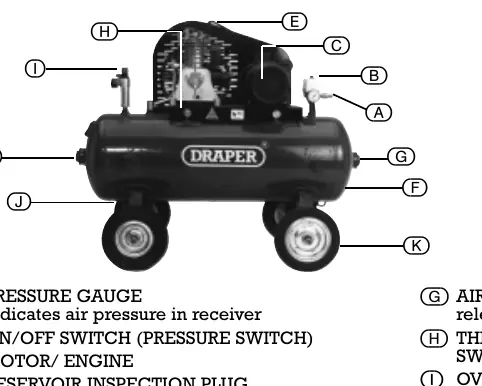
The Draper 50, 100, and 120-litre compressors are high-performance tools designed for various pneumatic applications. These models are available in different configurations, including belt-driven electric motors and Honda petrol engine versions. They are built for durability and efficiency, providing reliable air supply for workshop and professional use.
Technical Specifications
The range includes models with receiver capacities of 50, 100, and 120 litres, all capable of reaching a maximum pressure of 145psi (10 bar). Air displacement varies by model, ranging from 9cfm to 29cfm. Weight varies between 75kg and 170kg depending on the specific unit. Typical sound pressure levels are 77db(A), and users are advised to wear ear protection as noise levels may exceed 85db(A) during operation.
Safety Guidelines
Safety is paramount when operating air compressors. Always read the instructions thoroughly before use. Key safety rules include:
- Ensure the compressor is disconnected from the power supply before any maintenance.
- Keep the work area well-lit, dry, and free from children or unauthorized personnel.
- Never leave the compressor running unattended.
- Always wear safety goggles and appropriate protective equipment.
- Do not exceed the maximum operating pressure of connected air tools.
- Ensure the compressor is properly earthed.
Installation and Operation
Upon unpacking, ensure the unit is in perfect condition. Replace the plastic shipping cap with the provided oil dipstick and verify the oil level is between the minimum and maximum notches. Ensure at least 1 metre of clearance around the compressor for adequate ventilation. To operate, connect to the power supply, ensure the drain valve is closed, and use the pressure switch to turn the unit on. The system is automatic, cutting off when maximum pressure is reached and restarting when pressure drops.
Maintenance
Regular maintenance is essential for longevity.
- Daily: Check oil levels and drain condensate from the receiver tank.
- Monthly: Clean the air suction filter and check drive belt tension.
- Every 500 Hours: Replace the oil and clean external surfaces, including the motor fan cowling and cooling fins.
- Every 2000 Hours: Inspect and replace valves if worn.
Troubleshooting
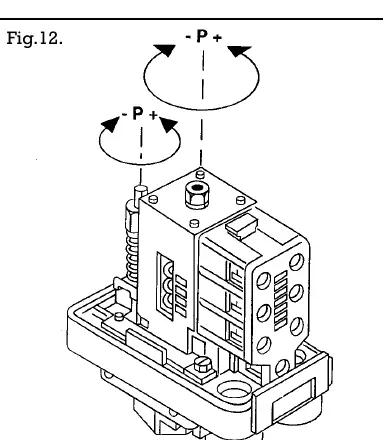
If the compressor fails to start, check the power supply, fuses, and thermal overload protection. If air output is low, inspect for kinked hoses, leaking connections, or a clogged air filter. Noisy operation may indicate loose pulleys or low oil levels. Always consult a qualified person for repairs or adjustments to the pressure switch settings.
Related manuals
Related manuals from the same brand or category.
Tools / Drills
Draper 12V Brushless Combi Drill 03862
DraperElectronics / Monitors
Draper 12V Lithium Jump Starter with Digital Display, 3000A
DraperTools / Drills
Draper 12V Drill Driver 70258
DraperTools / Power Tools
Draper 125mm Dual Action Polisher (01816)
Draper
Manual page author
Emily Carter
User documentation editor
Prepares concise manual descriptions and highlights the most useful setup, operation and maintenance information for readers.