Home Appliances / Dishwashers
Indesit DIF 04B1 Dishwasher User Manual
Quick guide and user manual for the Indesit DIF 04B1 dishwasher. Includes installation, water hardness settings, loading instructions, maintenance, and troubleshooting.
Table of contents
Manual images
Click an image to enlargeQuick Guide
This dishwasher is designed for domestic use. Before first use, ensure the water hardness is set correctly, the salt dispenser is filled, and all packaging materials are removed. Always load the dishwasher fully before starting a cycle to save energy and water.
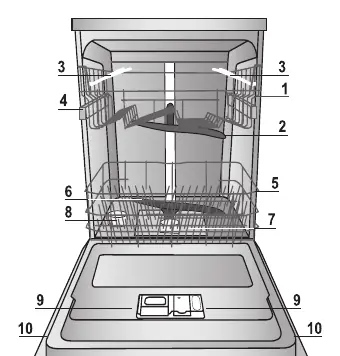
Safety and Precautions
- The appliance must not be used by children under 8 years old without supervision.
- Do not install the dishwasher outdoors.
- Always turn off the water tap and unplug the appliance after use or before maintenance.
- Do not lean or sit on the open door.
- Keep detergent and rinse aid out of reach of children.
Installation
Installation should be performed by a qualified technician.
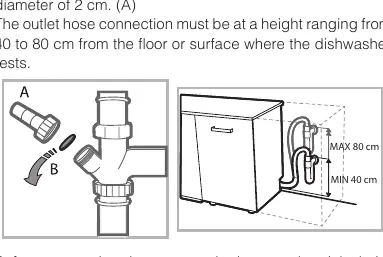
- Water Supply: Connect the inlet hose to a 3/4" cold or hot water tap (max 60°C). Ensure the hose is not bent.
- Drainage: Connect the outlet hose to a drain duct at a height between 40 and 80 cm from the floor.
- Positioning: Place on a level, sturdy floor. Adjust front feet to level the appliance.
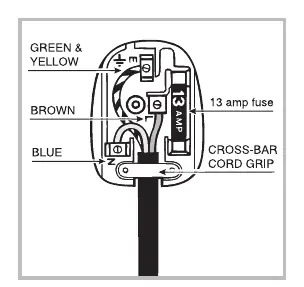
- Electrical: Ensure the socket is earthed and compatible with the plug. Do not use extension cables.
First Use and Settings
Before the first wash cycle, you must set the water hardness level.
- Salt: Fill the salt dispenser with water, then add approximately 1 kg of salt. Use only dishwasher-specific salt.
- Water Hardness: Switch the dishwasher on, then off. Hold the 'P' button for 5 seconds until a beep sounds. Switch on again, then press 'P' to select the desired hardness level (refer to the hardness table in the manual).
- Rinse Aid: Fill the rinse aid dispenser when the indicator light is lit. Adjust the dosage if you notice streaks (low setting) or water spots (high setting).
Loading the Dishwasher
- General: Remove food residues before loading. Do not rinse dishes under running water.
- Lower Rack: Best for pans, lids, dishes, and salad bowls. Place very soiled items here.
- Upper Rack: Best for delicate items like glasses, cups, and saucers.
- Cutlery: Use the cutlery basket at the front of the lower rack. Place sharp knives with points facing downwards.
Detergent and Wash Cycles
Use only detergent specifically designed for dishwashers. Do not use washing-up liquid.
- Measuring: Use approximately 35g of powder or 35ml of liquid detergent for normally soiled items. One tablet is sufficient if using tablets.
- Wash Cycles: Select the cycle based on soil level. The 'Eco' cycle is the most efficient for normally soiled tableware.
Care and Maintenance
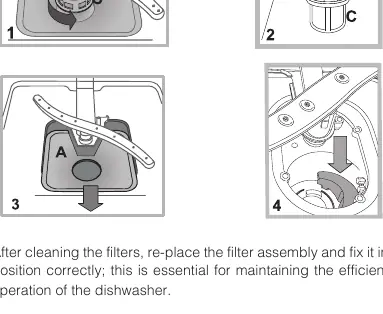
- Filters: The filter assembly (cylindrical, cup, and plate filters) must be cleaned regularly under running water to ensure efficient operation.
- Sprayer Arms: Check and clean the sprayer arms periodically to remove food residue blocking the holes.
- Unused Periods: If leaving the machine unused for a long time, disconnect the power, shut off the water, and leave the door ajar.
Troubleshooting
If the dishwasher fails to work, check the following:
- Does not start: Check water supply, power connection, and door closure.
- Excessive noise: Ensure dishes are not rattling and there is no excess foam from incorrect detergent usage.
- Dishes not clean: Check filter cleanliness, rack arrangement, and wash cycle selection.
- White film/limescale: Check salt level and water hardness settings.
Practical help
Common problems
Dishwasher does not start
Check if the water tap is open, the appliance is plugged in, the door is closed properly, or reset the wash cycle.
Excessive noise
Ensure dishes are not rattling against each other or the sprayer arms. Check for excess foam caused by incorrect detergent.
Dishes are not clean
Ensure proper loading, check that sprayer arms can rotate freely, clean the filters, and ensure the wash cycle is appropriate for the soil level.
White film or limescale on dishes
Check the salt level and ensure the water hardness setting is adjusted correctly for your local water supply.
Before use
- Ensure the water tap is turned on.
- Check that the dishwasher is properly plugged into an earthed socket.
- Remove all packaging and stoppers from the racks.
- Set the water hardness level according to your local water supply.
- Fill the salt dispenser with dishwasher salt.
- Ensure the door is closed properly.
Specs in practice
- Water Pressure
- 0.05 to 1 MPa (0.5 to 10 bar).
Images and diagrams
- The control panel features an ON/OFF button, a wash cycle selection button, and indicator lights for cycles and settings.
- The filter assembly consists of three parts: a cylindrical filter, a cup filter, and a stainless-steel plate filter, all of which require regular cleaning.
Model compatibility
- Use only detergents, salt, and rinse aid specifically designed for dishwashers.
- Do not use washing-up liquid.
- Not suitable for wooden crockery, delicate decorated glasses, or antique items.

Manual page author
Emily Carter
User documentation editor
Prepares concise manual descriptions and highlights the most useful setup, operation, and maintenance information for readers.