Power / Batteries Chargers
V-TAC VT-OH-5K 100Ah Rechargeable Li-ion Battery Module Instruction Manual
Quick guide for the V-TAC VT-OH-5K 100Ah Li-ion battery module, covering installation steps, safety requirements, electrical connection, and troubleshooting common faults.
Table of contents
Manual images
Jump to the sectionQuick guide from the manual
This document provides essential instructions for the installation, operation, and maintenance of the V-TAC 51.2V 100Ah lithium iron phosphate battery system. It is intended for trained personnel only. Key safety measures include proper grounding, avoiding short circuits, and using appropriate protective gear (isolation gloves, safety goggles, safety shoes). The system must be installed in an indoor environment, away from direct sunlight, dust, and corrosive gases, with an optimal ambient temperature between 15°C and 30°C.
Product Description
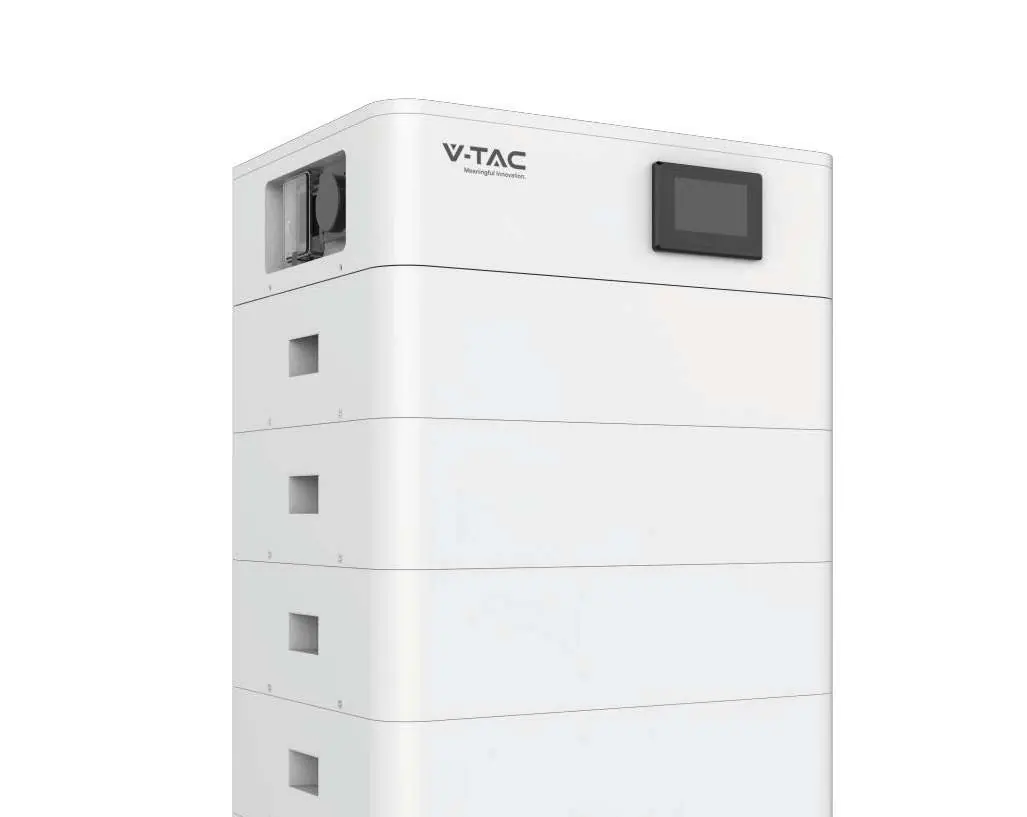
The system is a modular, stackable energy storage unit using LiFePO4 technology. It features an integrated Battery Management System (BMS) that provides protection against over-discharge, over-charge, over-current, and abnormal temperatures. Multiple modules can be connected in parallel to expand capacity.
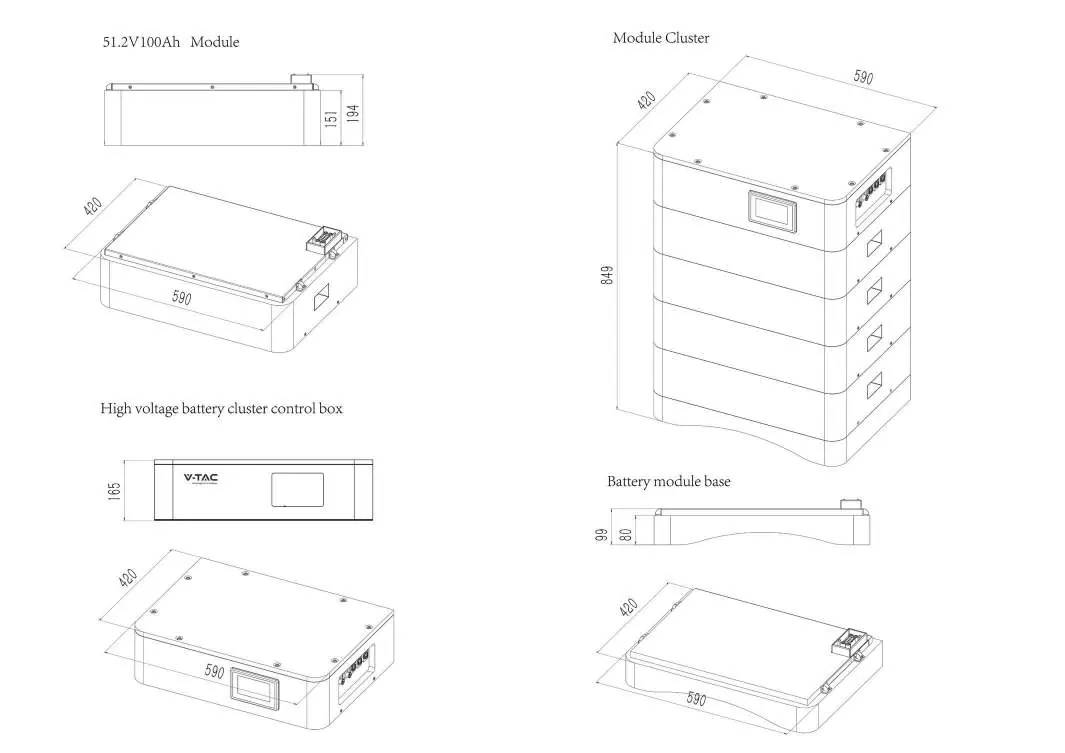
Installation and Configuration
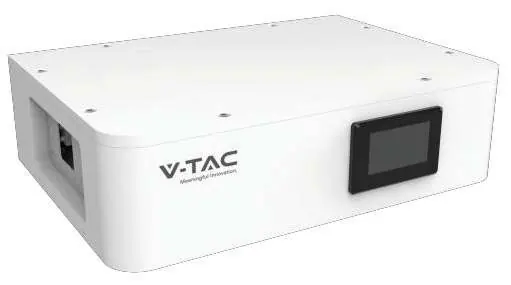
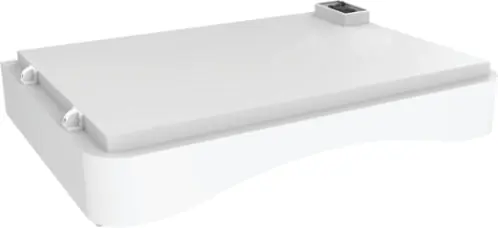
Mechanical Installation: The system is stackable. Follow these steps: 1. Install the battery module base. 2. Install the battery module(s). 3. Install the high voltage battery cluster control box. 4. Secure the unit with side fastening screws.
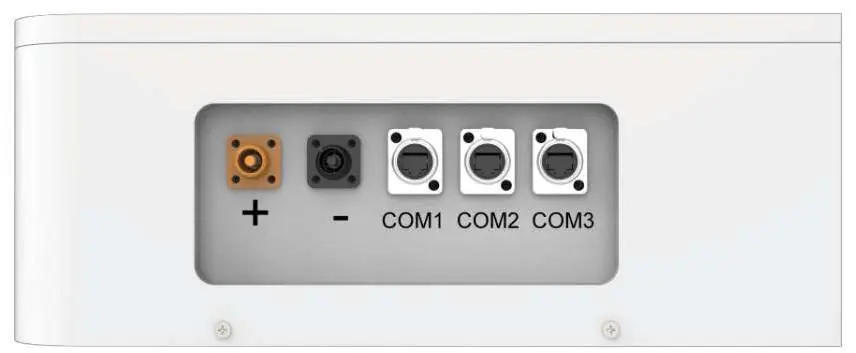
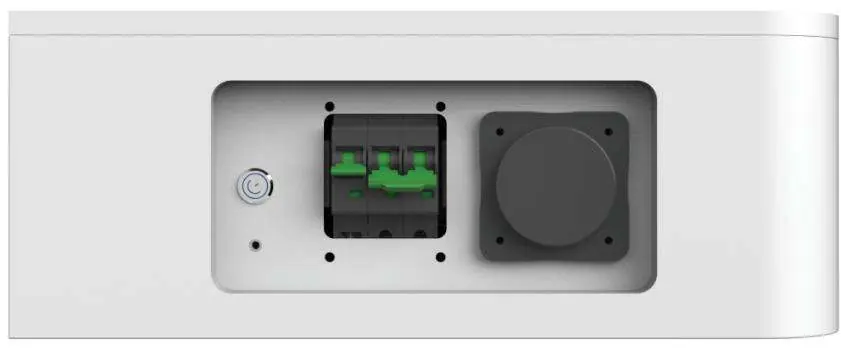
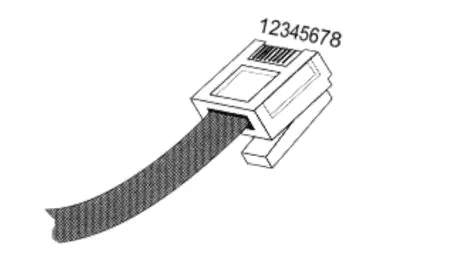

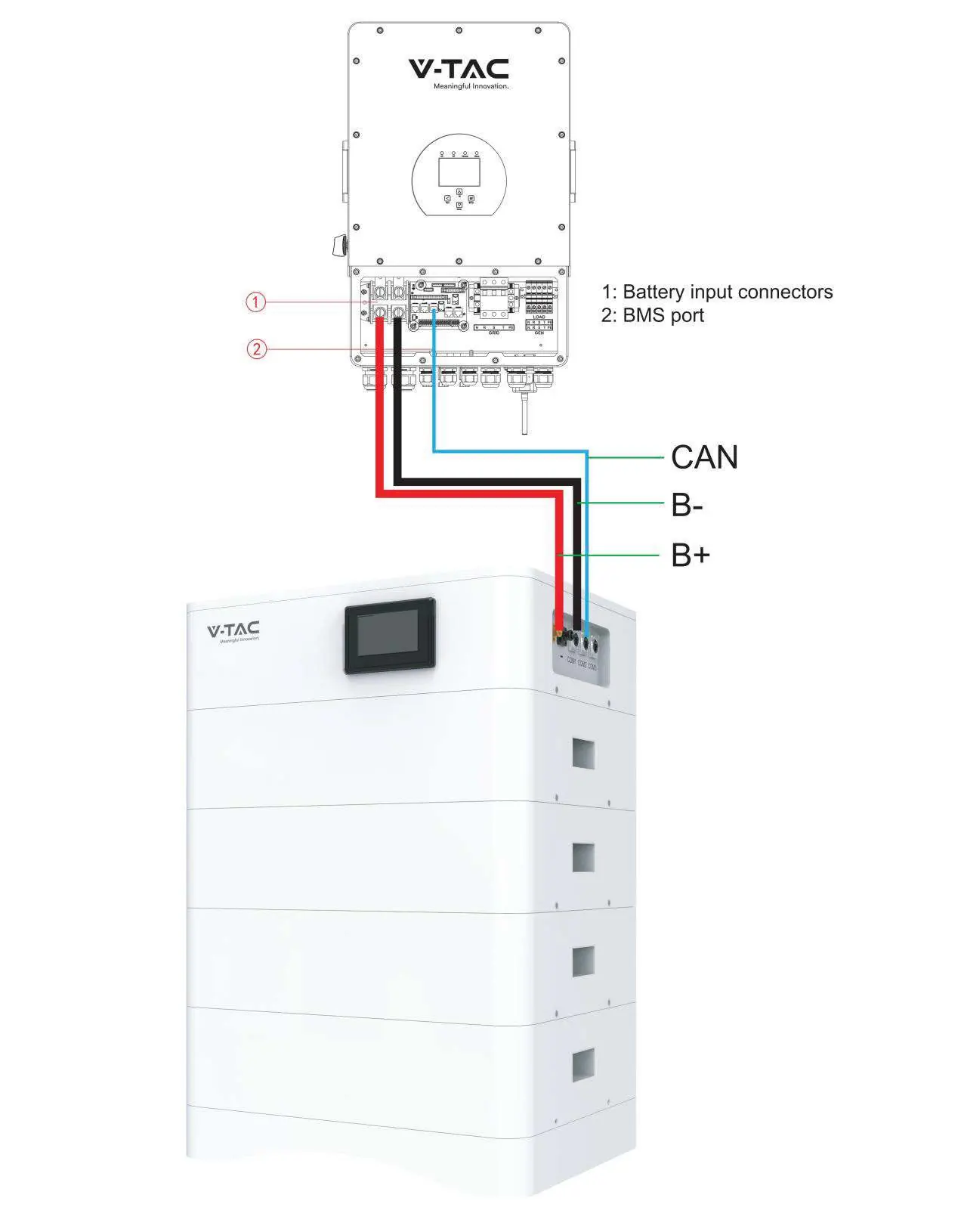
Electrical Installation: Connect the battery to the inverter using the provided cables. Ensure the positive (B+) and negative (B-) terminals are connected correctly. Connect the communication cable (CAN) between the battery and the inverter.
Parameter Settings: If the inverter does not support automatic communication, manually set the following: Max Charging Voltage: 56.0V*N, Shut Down Voltage: 49.0V*N, Restart Voltage: 51.2V*N, Max Charge/Discharge Current: 50A.
Operation
To start the system: 1. Open the BMS ON/OFF switch and wait for the screen to display normal status. 2. Open the air switch. Verify voltage and polarity with a voltmeter before turning on the inverter.
Troubleshooting
If the system displays an ALM (alarm) status, check the alarm category on the display. Common issues include low total voltage (check total voltage), abnormal data (read monitor), or communication faults (check DIP settings and cable connections). For persistent issues, contact your dealer.
Technical Specifications
The system operates within a temperature range of -10°C to +55°C (discharging) and 0°C to +45°C (charging). It supports CAN communication and has an IP65 ingress protection rating. The cycle life is rated at 6000 cycles under standard conditions (25°C, 0.5C/0.5C).
Practical help
Common problems
Indicator does not respond after power on
Check if the total voltage is lower than 40V*N.
No DC output
Check battery data on the monitor; the system may be in over-discharged protection mode.
Battery cannot be fully charged to 100%
Adjust the charging voltage to 57V*N.
Communication fault
Check DIP settings, ensure the correct battery type is selected on the inverter, and verify communication cable connections.
Before use
- Ensure personnel are trained in power supply systems.
- Wear isolation gloves, safety goggles, and safety shoes.
- Verify that the installation site is flat, level, and free of flammable materials.
- Confirm the inverter's DC output voltage matches the battery requirements.
- Ensure firefighting equipment (dry powder extinguisher) is available.
- Check that all cables are connected with correct polarity.
Specs in practice
- Nominal Voltage
- 51.2V per module.
- Max Charge/Discharge Current
- 50A recommended limit per module.
- Ingress Protection
- IP65, suitable for indoor environments protected from dust and moisture.
- Communication
- CAN protocol used for inverter and cluster communication.
Images and diagrams
- The front interface includes a power connector for series connection, an air switch for current protection, and a BMS ON/OFF button.
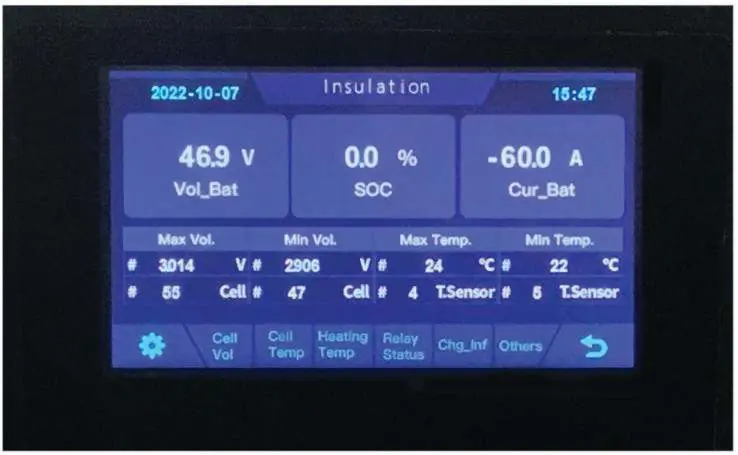
- The display shows real-time SOC, voltage, current, and temperature.
- Electrical installation requires connecting B+, B-, and CAN cables between the battery cluster and the inverter.
Model compatibility
- Do not mix batteries from different manufacturers, types, or models.
- Do not mix old and new batteries.
- Ensure the inverter's maximum discharge current capability is higher than the battery's maximum charging current.

Manual page author
Emily Carter
User documentation editor
Prepares concise manual descriptions and highlights the most useful setup, operation, and maintenance information for readers.