Electronics / Monitors
Technical Specifications for Apple iPad Pro 11-inch (2nd generation)
Comprehensive technical specifications for the Apple iPad Pro 11-inch (2nd generation), covering display, camera, connectivity, battery life, and environmental standards.
Table of contents
Product Overview
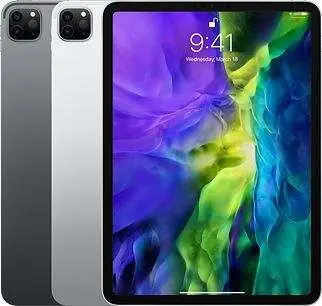
The iPad Pro 11-inch (2nd generation) is a high-performance tablet featuring the A12Z Bionic chip with 64-bit architecture and an integrated Neural Engine. It is equipped with a Liquid Retina display, which utilizes LED-backlit Multi-Touch technology with IPS, ProMotion, and True Tone support. The device is designed for professional-grade tasks, offering advanced camera systems and studio-quality audio.
Display and Camera
The 11-inch display offers a resolution of 2388-by-1668 pixels at 264 ppi, featuring an antireflective coating and 600 nits brightness. The rear camera system includes a 12MP Wide lens and a 10MP Ultra Wide lens, supporting 4K video recording, 2x optical zoom out, and digital zoom up to 5x. The front-facing TrueDepth camera enables Face ID for secure authentication and supports Portrait mode and Portrait Lighting.
Connectivity and Sensors
The device supports 802.11ax Wi-Fi 6 and Bluetooth 5.0. Cellular models include Gigabit-class LTE support and eSIM functionality. Integrated sensors include a LiDAR Scanner, three-axis gyro, accelerometer, barometer, and ambient light sensor. Physical connectivity is provided via a USB-C connector, with additional support for the Smart Connector and magnetic attachment for accessories.
Battery and Power
The iPad Pro features a built-in 28.65-watt-hour rechargeable lithium-polymer battery. Users can expect up to 10 hours of web surfing on Wi-Fi or video playback. Cellular models provide up to 9 hours of web surfing when using a cellular data network. Charging is performed via the included 18W USB-C power adapter or a USB-C connection to a computer.
Environmental Commitment
Apple emphasizes sustainability in the design of the iPad Pro, utilizing 100% recycled tin in the main logic board solder, low-carbon aluminum for the enclosure, and 35% or more recycled plastic in various components. The display glass is arsenic-free, and the device is free of BFR, PVC, and beryllium. Final assembly sites are certified as Zero Waste.
Manufacturer information
Apple Inc.
Practical help
Common problems
Limited available storage space
A standard configuration uses approximately 10GB to 13GB for iPadOS and preinstalled apps. You can delete preinstalled apps to reclaim about 4GB of space.
FaceTime or cellular features not working
Ensure you have an active data plan for cellular models and that your carrier supports the specific network technology and eSIM/Apple SIM features.
Syncing issues with a computer
Ensure your Mac or PC meets the minimum requirements: macOS Catalina 10.15 (using Finder), macOS El Capitan 10.11.6 through Mojave 10.14.6 (using iTunes 12.8+), or Windows 7+ (using iTunes 12.10+).
Before use
- Ensure you have an Apple ID for full feature access.
- Verify internet access for initial setup and certain features.
- Check that your cellular carrier supports the specific iPad Pro model if using cellular data.
- Ensure you have a compatible USB-C power source for charging.
Specs in practice
- ProMotion technology
- Provides a higher refresh rate for smoother scrolling and more responsive touch input.
- LiDAR Scanner
- Advanced depth-sensing technology used for improved augmented reality (AR) experiences and faster autofocus.
- Liquid Retina display
- High-resolution LED-backlit display with wide color (P3) and True Tone for accurate color reproduction.
Model compatibility
- Not all carriers support Apple SIM and eSIM; check with your local provider.
- Cellular data plans are sold separately.
- Video mirroring requires compatible USB-C Digital AV or VGA Multiport Adapters (sold separately).

Manual page author
David Miller
Documentation analyst
Organizes user manual content into clear summaries, with attention to model details, product context, and everyday usability.