HVAC / Heaters & Fireplaces
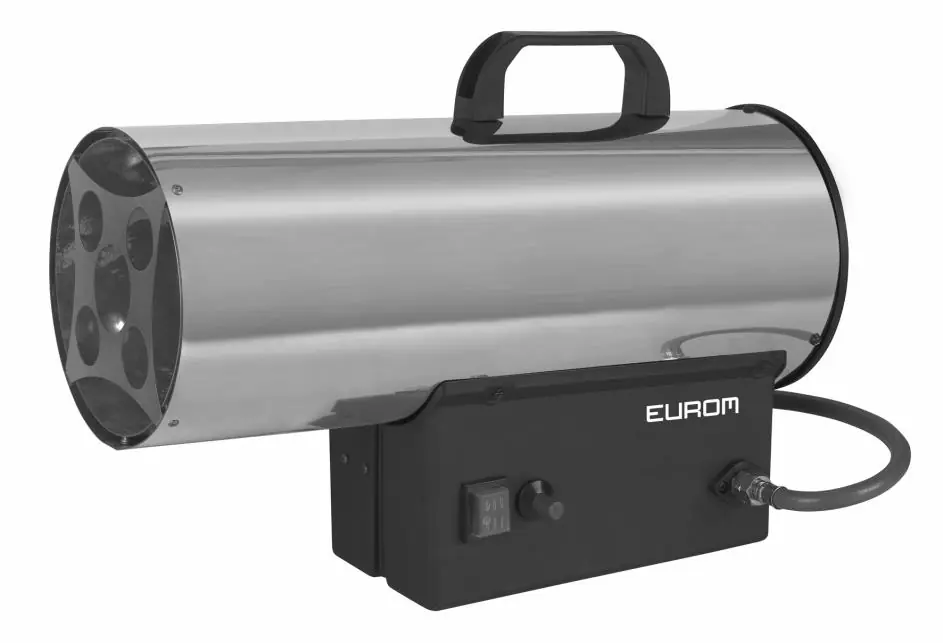
Eurom HKG 15-NL Hot Air Gun
Quick guide for the Eurom HKG 15-NL hot air gun. Includes safety instructions, gas connection procedures, ignition steps, and maintenance tips.
Table of contents
Manual images
Click an image to enlargeQuick guide from the manual
The Eurom HKG 15-NL is a direct-combustion hot air gun designed for industrial use. It is not intended for household heating. Always ensure the area is well-ventilated (minimum 150 m³) to prevent carbon monoxide poisoning. Keep flammable materials at least 2.5 meters away from the device and 3 meters from the front.
Product Description
The HKG 15-NL features a motor-driven ventilator for air circulation and gas combustion. It includes built-in safety mechanisms: flame security (shuts off gas if flame goes out), overheating security (shuts off gas if too hot), and tipping security (shuts off gas if the unit falls).
Safety Instructions
- Ventilation: Use only in well-ventilated areas. Never use in living, working, or sleeping areas.
- Flammable Materials: Keep away from paint, thinners, wood, and other combustibles.
- Gas Handling: Use only propane or butane. Always close the gas bottle tap after use.
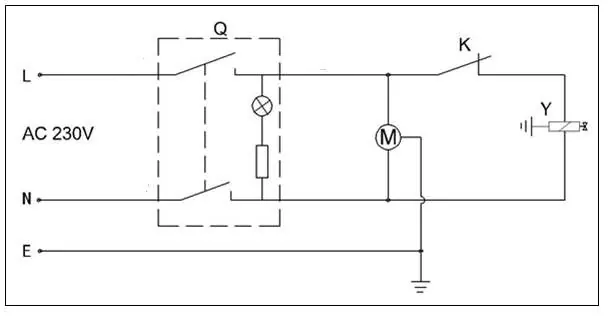
- Electrical: Connect only to a grounded 220-240V/50 Hz socket with a 30mA differential switch.
- Supervision: Never leave an operating heater unattended.
Installation and Gas Connection
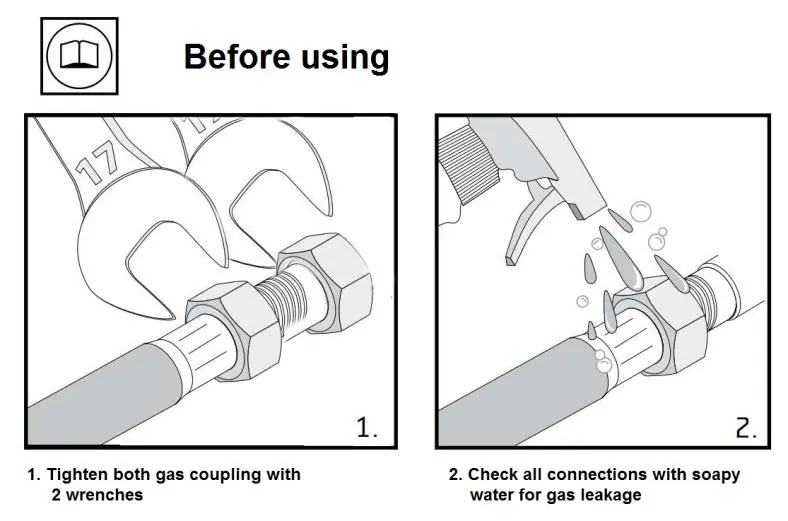
- Ensure the heater is on a level, stable, non-flammable surface.
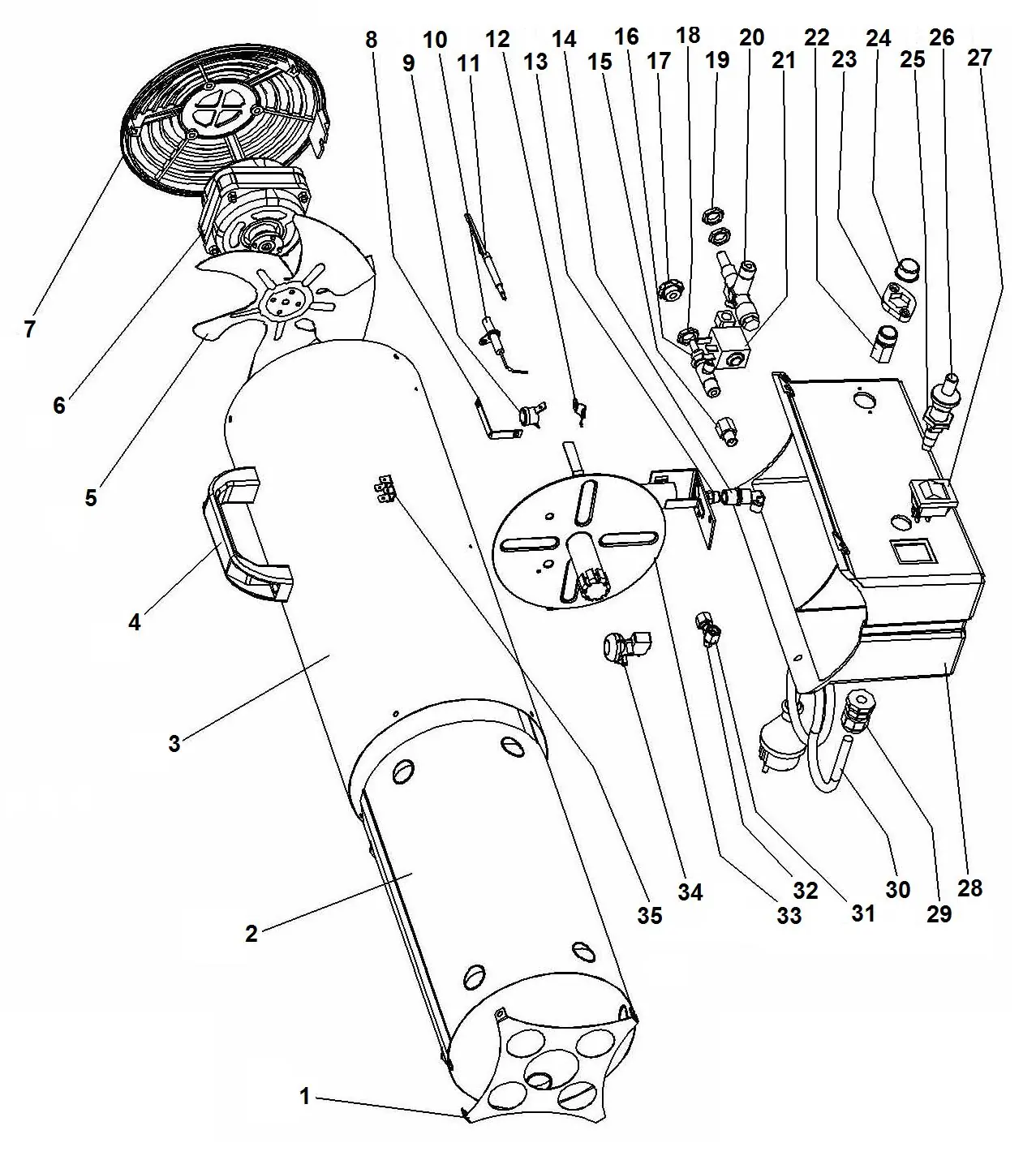
- Connect the gas hose to the pressure regulator (factory-mounted).
- Remove the protective cap and attach the gas hose to the heater (left-hand thread).
- Connect the pressure regulator to the gas bottle.
- Perform a gas leak test using a soap solution on all connections. If bubbles appear, tighten the connection and re-test.
Operation
- Open the gas bottle tap.
- Set the regulator button to the maximum position.
- Plug in the heater and set the power switch to I (on). The ventilator will start.
- Press and hold the gas valve button for 10 seconds.
- Simultaneously press the ignition button repeatedly until the device ignites.
- Continue holding the gas valve button for another 15 seconds after ignition, then release.
- Adjust the regulator button for the desired flame length and heat output.
- To switch off: Close the gas bottle tap, wait for the flame to extinguish, then switch the power to O (off) and unplug.
Cleaning and Maintenance
- Always switch off, unplug, and let the heater cool before maintenance.
- Regularly clean the grills and ventilator blades.
- Check the gas hose and connections for damage or leaks regularly.
- Replace the gas hose at least every 3 to 4 years.
- The heater must be inspected annually by a qualified person.
Technical Specifications
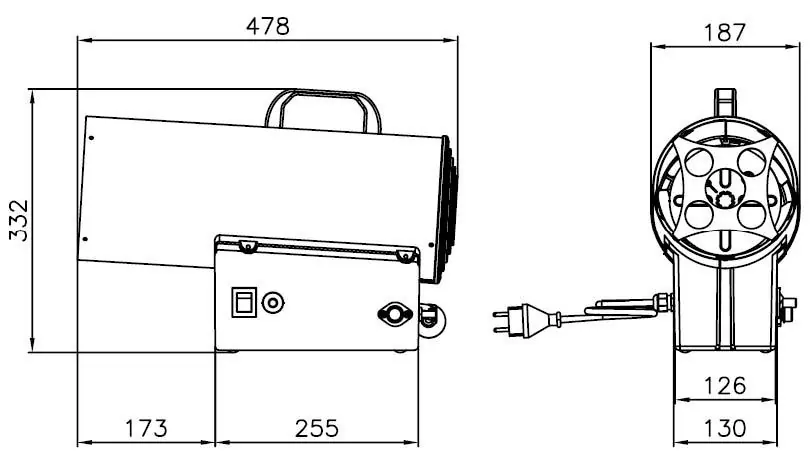
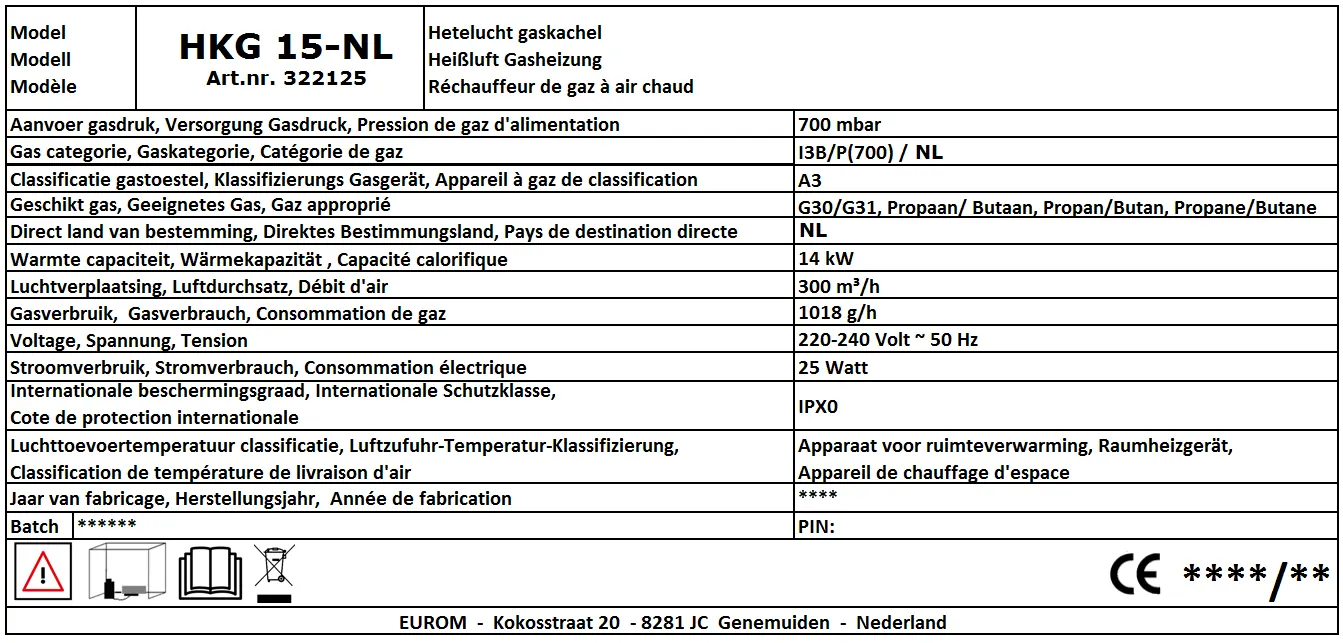
- Heat Output: 14 kW
- Gas Consumption: 1018 g/hour
- Voltage: 220-240V~50Hz
- Power Consumption: 25 W
- Protection Rating: IPX0
- Gas Category: I3B/P (700) - Propane/Butane
Practical help
Common problems
Heater fails to ignite
Ensure the ventilator is running, hold the gas valve button for 10 seconds, and press the ignition button repeatedly.
Gas leak detected
Immediately close the gas bottle tap, extinguish all flames, do not operate electrical switches, and check connections with a soap solution.
Ventilator not running
Check the power supply and ensure the power switch is set to I.
Before use
- Ensure the room is well-ventilated (min 150 m³).
- Check that the gas hose is not bent or kinked.
- Verify the gas regulator is the correct type.
- Perform a gas leak test with soap solution.
- Ensure the heater is on a level, non-flammable surface.
Specs in practice
- Gas consumption
- 1018 g/hour
- Protection rating
- IPX0
Images and diagrams
- Gas supply circuit diagram shows the sequence of gas flow from the supply nut to the burner head.
- Electric circuit diagram illustrates the power connection and safety switches.
Model compatibility
- Use only propane or butane gas.
- Not for household use; intended for work sites and industrial areas.
- Requires a 30mA differential switch.

Manual page author
David Miller
Documentation analyst
Organizes user manual content into clear summaries, with attention to model details, product context, and everyday usability.