Home Appliances / Ovens
OFITE 171-193-6K Permeability Plugging Tester
The OFITE Permeability Plugging Tester (PPT) is a specialized 6,000 psi instrument designed for high-temperature, high-pressure filtration testing of drilling fluids and plugging materials.
Table of contents
Product Overview
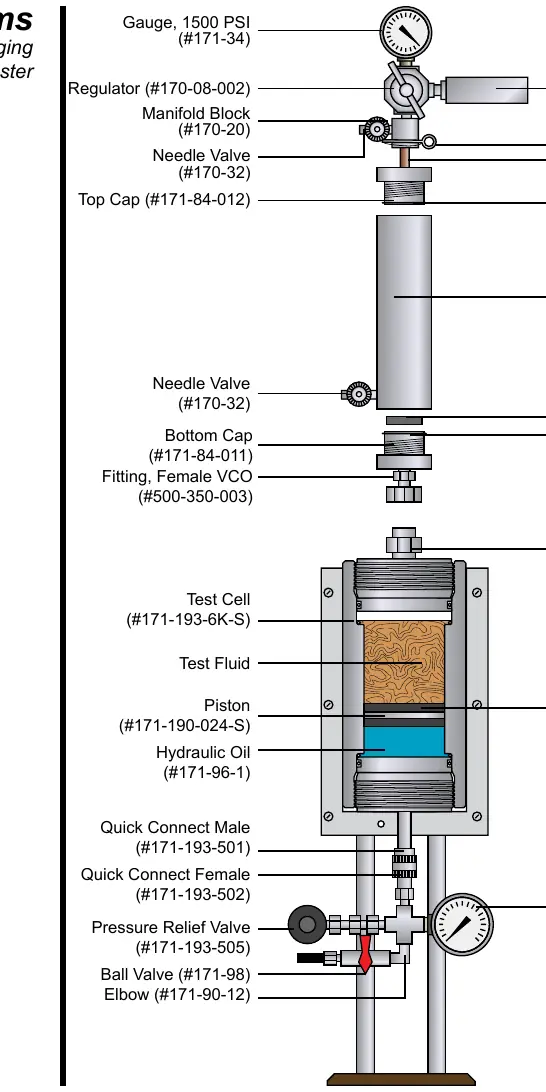
The Permeability Plugging Tester (PPT) is a modification of the standard 500 mL HTHP filter press, designed for both field and laboratory use. It is specifically engineered to perform filtration tests on plugging materials without the interference of particle settling during the heating process. The instrument is highly effective at predicting how drilling fluids form low-permeability filter cakes to seal depleted, under-pressured intervals and prevent differential sticking.
Technical Specifications
- Maximum Temperature: 500°F (260°C)
- Maximum Pressure: 6,000 PSI (41.4 MPa)
- Heater: 800W
- Weight: 61 lb (27.7 kg)
- Dimensions: 15" × 25" × 42" (38.1 × 63.5 × 106.7 cm)
Safety Guidelines
Safety is paramount when operating high-pressure, high-temperature equipment. Always wear protective clothing, as the heating jacket and test cell become extremely hot. Never fill the test cell completely; always leave void space for thermal expansion. Use only Carbon Dioxide or Nitrogen for pressurization; never use compressed air, Oxygen, or Nitrous Oxide. Regularly inspect all O-rings for signs of wear or damage and replace them as necessary. Always ensure the pressure is fully released before disconnecting hoses, removing the cell from the heating jacket, or performing maintenance.
Operation and Testing
The PPT utilizes an inverted pressure cell design with the filter medium and back-pressure receiver located at the top. The system is pressurized using hydraulic oil and a hand pump. The testing process involves preheating the heating jacket, preparing the test cell with the appropriate filter medium, and carefully filling the cell with the test fluid. During the test, the pump is used to maintain the required pressure differential. Filtrate collection should be performed at specified intervals to ensure accurate data analysis. After testing, the system must be allowed to cool completely before disassembly and cleaning.
Maintenance and Troubleshooting
Regular maintenance is essential for the longevity and accuracy of the tester. Thoroughly clean and dry all components after each use. Periodically check the cell assembly for leaks by pressurizing it and immersing it in water. Inspect the power cord for insulation wear and ensure it is kept away from hot surfaces. If the regulator exhibits issues such as gas leaks or inconsistent pressure readings, refer to the troubleshooting guide to determine if the regulator or specific seals require replacement.
Related manuals
Related manuals from the same brand or category.
Tools / Power Tools
OFITE 10 ksi Permeability Plugging Tester
OfiteTools / Power Tools
OFITE 171-181-N HTHP Filter Press with Threaded Cells
OfiteHvac / Heat Pumps
OFITE 171-00-C Series HTHP Filter Press
OfiteTools / Power Tools
OFITE 120-20-A Automated Curing Chamber
Ofite
Manual page author
Michael Turner
Technical manual editor
Reviews PDF manuals for structure, safety notes, and practical product details so readers can find the right information quickly.