Home Appliances / Sewing Machines
Singer 15-Class Sewing Machine Instruction Manual
Quick guide for the Singer 15-Class sewing machine. Learn how to thread the machine, wind the bobbin, adjust stitch length, and perform essential maintenance like oiling.
Table of contents
Manual images
Click an image to enlargeQuick guide from the manual
This manual provides essential operating and maintenance instructions for the Singer 15-Class sewing machine. It covers the basic setup, including needle installation, bobbin winding, threading, and stitch adjustments. Regular maintenance, specifically oiling, is critical for the longevity of the machine.
Machine parts
Familiarize yourself with the key components: the balance wheel, spool pin, bobbin winder, thread take-up lever, tension discs, needle bar, presser bar, and the feed regulator. The serial number is located on the machine base.
Needle installation
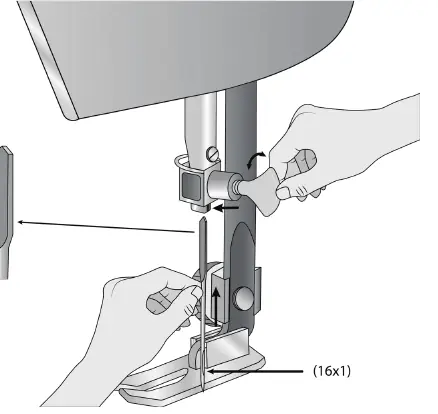
To install the needle, ensure the machine is powered off. Loosen the needle clamp screw. Insert the needle (type 16x1) into the needle bar with the flat side of the shank facing the back of the machine. Push it up as far as it will go and tighten the clamp screw securely.
Bobbin winding and insertion
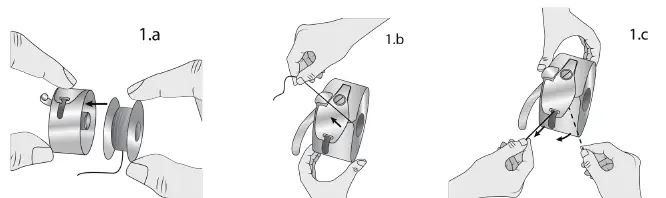
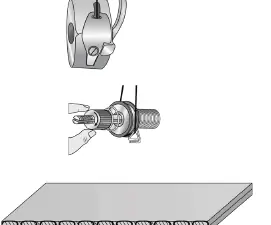
To wind the bobbin, place the empty bobbin on the winder spindle. Engage the winder and operate the machine to wind the thread evenly. Once wound, insert the bobbin into the bobbin case. Ensure the thread pulls off in the correct direction as indicated in the diagrams, passing it through the tension spring on the bobbin case.
Threading the machine
Follow the thread path carefully: from the spool pin, through the thread guides, down through the tension discs, up to the take-up lever, down through the guides on the needle bar, and finally through the eye of the needle from front to back.
Stitch length adjustment
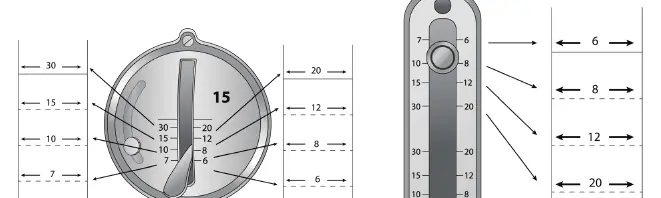
Use the feed regulator dial to adjust the stitch length. The numbers on the dial correspond to the stitch length. Rotate the dial to the desired setting to increase or decrease the distance between stitches.
Tension adjustment
If stitches are looping or bunching, adjust the tension nut. Tightening the nut increases tension, while loosening it decreases tension. Ensure the thread is properly seated between the tension discs.
Maintenance and oiling
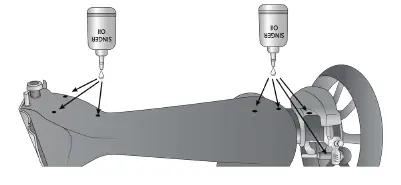
Regular oiling is required to keep the machine running smoothly. Apply a drop of Singer oil to the designated oiling points shown in the diagrams, including the main shaft, needle bar, and feed mechanism. Clean the feed dog area regularly using a small brush to remove lint and dust buildup.
Darning and embroidery
To perform darning or embroidery, lower the feed dog using the feed drop knob. This allows you to move the fabric manually under the needle to create free-motion stitches.
Manufacturer information
SINGER
Practical help
Common problems
Thread bunching or looping on the underside of the fabric
Check that the thread is correctly seated between the tension discs and that the bobbin is inserted properly in the case.
Needle breaking
Ensure the needle is the correct type (16x1), inserted fully into the clamp, and that the flat side is facing the back.
Stitches are too long or too short
Adjust the feed regulator dial to the desired stitch length setting.
Before use
- Ensure the machine is oiled at all designated points.
- Check that the needle is sharp, straight, and correctly installed.
- Verify the bobbin is wound evenly and inserted correctly.
- Ensure the thread path is clear and correctly threaded through all guides.
- Test the stitch length on a scrap piece of fabric.
Specs in practice
- Balance Wheel
- The wheel on the right side used to manually cycle the needle and take-up lever.
- Feed Regulator
- The dial used to control the length of the stitch.
Images and diagrams
- The manual relies on visual diagrams to illustrate the precise thread path and the location of oiling points.
- Arrows in the diagrams indicate the direction of thread movement or the direction to turn knobs/dials.
Model compatibility
- Uses standard 16x1 sewing machine needles.

Manual page author
David Miller
Documentation analyst
Organizes user manual content into clear summaries, with attention to model details, product context, and everyday usability.