Power / Batteries Chargers
GYS POWERDUCTION 110LG / 160LG / 220LG Induction Heater User Manual
User manual for GYS POWERDUCTION 110LG, 160LG, and 220LG induction heating systems. Includes installation, operation, maintenance, and safety instructions.
Table of contents
Manual images
Jump to the sectionProduct Overview
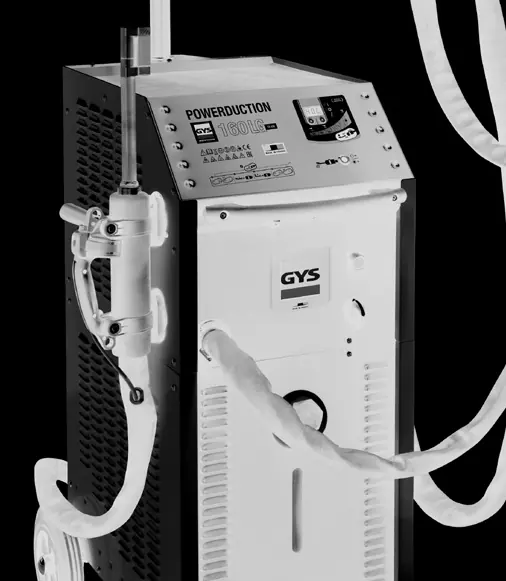
The GYS POWERDUCTION 110LG, 160LG, and 220LG are professional induction heating systems designed for heating ferrous materials. These units are ideal for industrial applications, offering precise and rapid heating capabilities controlled by a microprocessor.
Safety Precautions
Induction heating generates strong electromagnetic fields and intense heat. Important safety rules:
- Do not use if you have a pacemaker or metal implants.
- Maintain a minimum safety distance of 30 cm between the inductor and the operator's head or torso.
- Wear protective gear, including shade 5 goggles, fireproof clothing, and heat-insulated gloves.
- Keep metal objects (jewelry, watches, keys) away from the inductor during operation.
- Do not heat pressurized containers or flammable materials.
Installation and Setup
The units require a 3-phase power supply (400V or 208-240V depending on the model). Ensure the cooling system is properly filled with special welding liquid coolant (ref. 052246) before first use. The system includes a purge mode to remove air from the cooling circuit, which must be performed during initial setup or after changing the inductor.
Operation
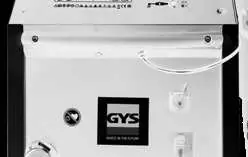
The device features a simple interface to adjust heating power and monitor coolant temperature. It includes a "Timer" mode for controlled heating durations (1-30 seconds) and a "Forced Cooling" mode for extended use. The system automatically deactivates heating after 5 minutes of inactivity for safety.
Maintenance
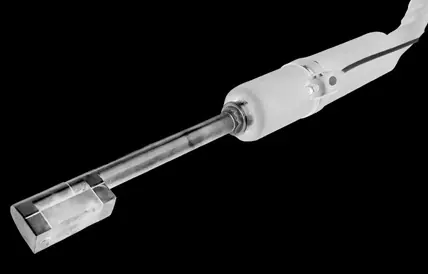
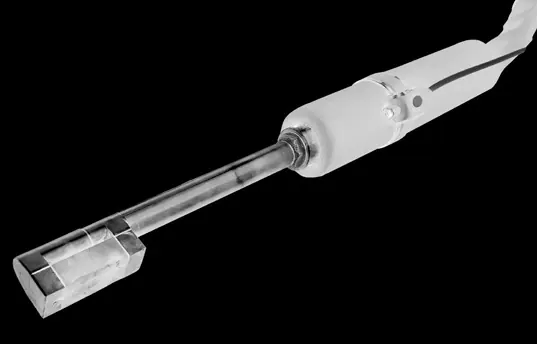
Regular maintenance is essential for longevity. This includes cleaning dust from the unit, checking electrical connections, and inspecting the cooling circuit for leaks. It is recommended to replace the cooling liquid annually. The inductor and ferrite are considered consumables and are not covered by the warranty.
Troubleshooting
The unit displays fault codes (E-1 to E-14) to assist in diagnostics. Common issues include flow faults (E-6, E-7), which often require checking for pinched hoses or air pockets in the cooling system. For persistent faults, contact your distributor.
Manufacturer information
GYS
Practical help
Common problems
Error E-6 (Flow too high)
Check for a pierced hose or ensure the inductor is properly attached.
Error E-7 (Flow too low)
Check for pinched or blocked hoses, ensure the pump is operating, and verify sufficient coolant levels.
Unit does not heat
Ensure the heat authorization button is active (green light on) and the lance button is pressed correctly.
Before use
- Check that the cooling system is filled with the correct coolant.
- Verify that the power supply matches the unit's requirements.
- Ensure the inductor is securely tightened by hand.
- Check for any visible damage to the power cable or lance.
- Ensure the ventilation openings are not obstructed.
Specs in practice
- Processing frequency
- 20-60 kHz, microprocessor-controlled for efficient heating.
- Protection class
- IP 21, indicating protection against solid objects over 12mm and vertical water drops.
Images and diagrams
- The manual includes detailed electrical diagrams for the 110LG, 160LG, and 220LG models.
- Cooling circuit diagrams illustrate the flow path for maintenance and troubleshooting.
- Front panel connector pin assignments are provided for external temperature control integration.
Model compatibility
- 110LG/160LG models are delivered with a 32L adapter and L90 inductor.
- 220LG model is delivered with a 32L adapter and L20/B4 inductor.
- Other inductors and adapters are available as optional accessories.

Manual page author
David Miller
Documentation analyst
Organizes user manual content into clear summaries, with attention to model details, product context, and everyday usability.