Garden / Electric Fencing
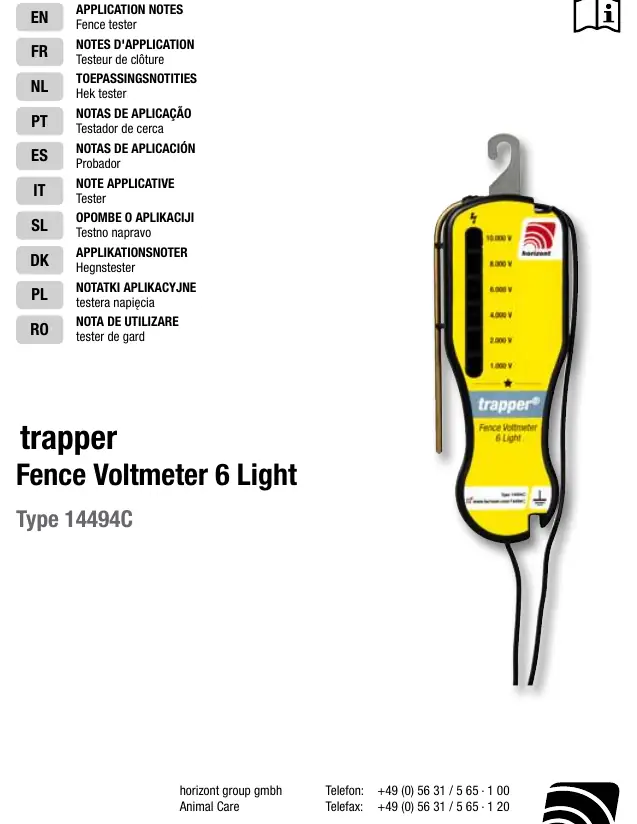
User Manual for Horizont trapper Fence Voltmeter 6 Light 14494C
Quick guide for the Horizont trapper Fence Voltmeter 6 Light (14494C). Learn how to measure fence voltage, identify ground faults, and interpret voltage levels for safe operation.
Table of contents
Manual images
Click an image to enlargeQuick guide from the manual
The Horizont trapper Fence Voltmeter 6 Light is a specialized tool for measuring voltage in electric fence systems. It operates without batteries, making it ready for immediate use in the field. This device helps you verify fence performance and identify potential faults such as insulation issues or grounding problems.
Product Overview
The device is designed to measure voltage at any point along the fence line or directly at the energizer output. It provides a visual indication of voltage levels, allowing you to assess the security and effectiveness of your electric fence system.
Voltage Measurement
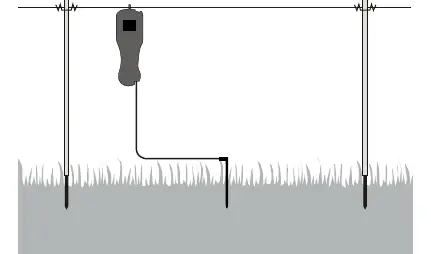
To measure the voltage, the device must be connected between the earth (using the earth stake) and the fence wire (using the contact eye). According to VDE standards, voltage values above 2,000 volts are considered safe. Higher voltage readings generally indicate a more secure and effective fence system.
Troubleshooting and Diagnostics
The voltmeter can help identify common fence issues:
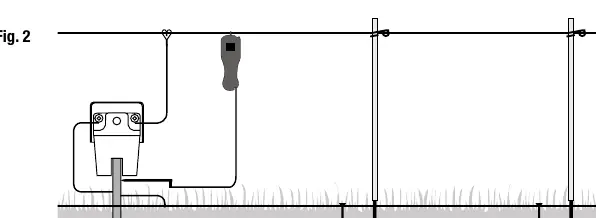
- Voltage at the ground stake: If you detect voltage at the ground stake, it indicates reverse currents caused by leakage on the fence. You must locate and remove these faults. Improving the grounding by adding additional ground stakes is recommended.
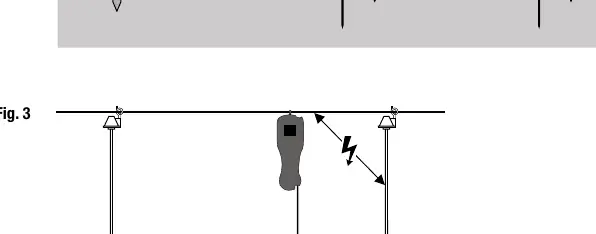
- Faulty insulation: If there is current discharge over an iron pole, it indicates defective insulation. The tester can help pinpoint these locations.
Voltage Interpretation Table
Use the following guidelines to interpret the readings on your voltmeter:
- > 10.000 - 6.000 V: Very good
- 6.000 - 4.000 V: Good
- 4.000 - 2.000 V: Sufficient
- Low kv: Too low (fence is not secure)
Manufacturer information
horizont group gmbh
Practical help
Common problems
Voltage detected at the ground stake
This indicates leakage on the fence line. Locate and remove the source of the leak and consider adding more ground stakes to improve the system.
Tester shows no result or very low voltage
Check for faulty insulation, broken fence wires, or excessive vegetation touching the fence line.
Before use
- Ensure the tester is clean and free of debris.
- Verify the earth stake is firmly inserted into the ground.
- Ensure the contact eye is securely hooked onto the fence wire.
- Check that the fence energizer is turned on.
Specs in practice
- > 10.000 - 6.000 V
- Very good fence performance.
- 6.000 - 4.000 V
- Good fence performance.
- 4.000 - 2.000 V
- Sufficient fence performance.
Images and diagrams
- Fig. 1: Shows the correct connection method between the earth stake and the fence wire for standard voltage measurement.
- Fig. 2: Illustrates how to check for voltage at the ground stake to identify leakage.
- Fig. 3: Demonstrates how to use the tester to identify current discharge caused by faulty insulation on an iron pole.
Model compatibility
- Compatible with standard electric fence systems.
- No battery required for operation.

Manual page author
David Miller
Documentation analyst
Organizes user manual content into clear summaries, with attention to model details, product context, and everyday usability.