Garden / Electric Fencing
User Manual for Horizont Ranger Fence Voltmeter Digital 14496C
Quick guide for the Horizont Ranger Fence Voltmeter Digital 14496C. Learn how to measure fence voltage, troubleshoot earth post issues, and detect damaged insulators.
Table of contents
Quick guide from the manual
The Horizont Ranger Fence Voltmeter Digital 14496C is designed to measure fence voltage pulses on electric fencing systems. It operates automatically, switching on and off as needed, and is powered by a 9V battery (included).
- Measurement Range: 200V to 9,900V.
- HI Indicator: Voltage pulses exceeding 10,000V are displayed as "HI".
- Safety: According to VDE standards, voltage results above 2,000V are considered safe. Higher voltage indicates a more effective fencing system.
Measuring fence voltage
To measure the voltage on your fencing system:
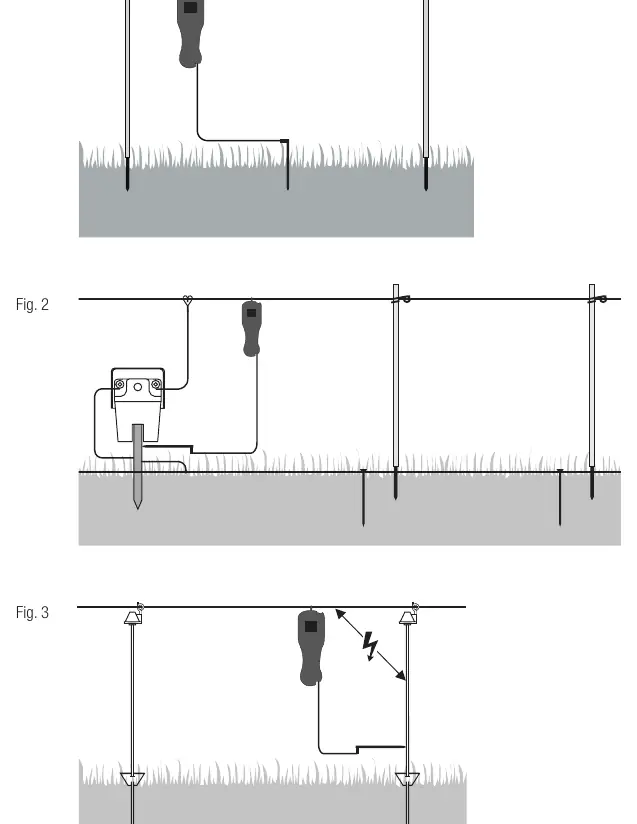
- Connect the tester between the earth (earth post) and the fence wire (using the contact ear).
- The device will automatically detect the pulse and display the voltage.
Troubleshooting earth post voltage
If you measure voltage at the earth post, it indicates a problem with your fencing system. This is often caused by:
- Leaks in the fencing system: Check for vegetation touching the fence or other shorts.
- Poor earth conductivity: The earth resistance is too high. Improve grounding by installing additional earth posts in humid ground.
Detecting damaged insulators
You can identify damaged insulators on iron posts by comparing voltage readings:
- Test the voltage at different posts.
- The post with the lowest or no voltage reading is likely the one with the damaged insulator.
- The arcing of the spark acts as a voltage limitation, causing the low reading.
Technical specifications
The device is a specialized tool for electric fence maintenance. It requires no manual switching, as it detects pulses automatically. Ensure the contact ear is clean and the earth connection is secure for accurate readings. If the device fails to provide a reading, check the 9V battery status.
Manufacturer information
horizont group gmbh
Practical help
Common problems
Voltage measured at the earth post
This indicates leaks in the fence or poor grounding. Check the fence for vegetation/shorts and install additional earth posts in humid ground.
Low or no voltage reading at a specific post
This suggests a damaged insulator on that post. Inspect the insulator and replace it if necessary.
Before use
- Ensure a 9V battery is installed.
- Ensure the contact ear is clean and free of debris.
- Ensure the earth post connection is secure.
- Verify the fence is powered on before testing.
Specs in practice
- Measurement Range
- The device detects pulses between 200V and 9,900V.
- HI Indicator
- Displays when voltage pulses exceed 10,000V.
- Safe Voltage
- Voltage results > 2,000V are considered safe according to VDE standards.
Images and diagrams
- Fig 1: Standard measurement setup connecting the device between the earth post and the fence wire.
- Fig 2: Troubleshooting setup to check for voltage at the earth post, indicating potential leaks or grounding issues.
- Fig 3: Diagnostic setup to identify faulty insulators on iron posts by comparing voltage potentials.
Model compatibility
- Designed for electric fencing systems.
- Iron posts should be used only in conjunction with special insulators to prevent voltage loss.

Manual page author
Michael Turner
Technical manual editor
Reviews PDF manuals for structure, safety notes, and practical product details so readers can find the right information quickly.