Furniture / Storage Cabinets
ROLINE Portable EV Charging Cable - Mode 2, Type 2, 10A, 2.3kW
Comprehensive guide for the Roline Mode 2 Portable EV Charging Cable, featuring technical specifications, safety protocols, and operational instructions for efficient vehicle charging.
Table of contents
Product Overview
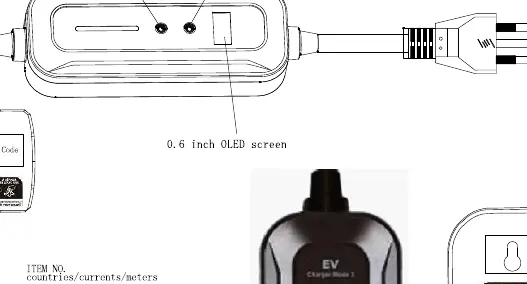
The Roline Portable EV Charging Cable is a high-quality Mode 2 charging solution designed for electric vehicles. It features a Type 2 connector and is engineered to provide reliable, safe, and efficient charging at home or on the go. The device includes an integrated control and protection box (IC-CPD) with a 0.6-inch OLED screen that displays real-time charging data, including current, voltage, energy consumed, and charging time.
Safety and Protection
Safety is paramount with this charging cable. The device is TUV/CE certified and built to withstand various environmental conditions with an IP67-rated control box. It incorporates eleven distinct protection measures to ensure the safety of both the user and the vehicle. These include over-voltage and under-voltage protection, over-current protection, temperature monitoring, PCB motherboard overheat protection, ground protection, leakage protection, lighting protection, vehicle diode protection, relay protection, and short circuit protection.
Operation and Usage
To begin charging, ensure the vehicle is parked and the charging port is clean. Connect the plug to the power source and the vehicle connector to the EV charging inlet. The integrated OLED screen provides immediate feedback on the charging status. Users can utilize the control buttons on the IC-CPD unit to adjust settings such as charging current or to set a reservation time for charging. Always ensure the dust cap is used when the cable is not in service to protect the connector pins from debris and moisture.
Maintenance and Care
Proper maintenance extends the life of your charging cable. Avoid dropping the control box or placing heavy objects on the cable. Do not pull or kink the cable during use. Keep the device away from extreme heat or direct sunlight. Regularly inspect the cable and connectors for any signs of damage or wear. If the cable appears damaged, do not attempt to use it and contact your dealer for assistance. The device is designed for a mechanical life of over 10,000 insertion cycles.
Environmental and Technical Specifications
The cable is constructed with high-grade materials that are flame retardant, halogen-free, and resistant to oil, UV, and alkaline substances. It is designed to operate effectively in temperatures ranging from -30°C to +50°C. The unit is RoHS and REACH compliant, ensuring it meets modern environmental standards. Always dispose of the product according to local electronic waste regulations.
Manufacturer information
ROLINE
Practical help
Common problems
Charging does not start
Check if the plug is securely connected to the power source and the vehicle. Ensure the vehicle is ready to receive a charge.
Device indicates a fault
Refer to the LED status table on the device label. Common faults include over-temperature or leakage; disconnect and allow the unit to cool or reset.
Before use
- Inspect the cable and connectors for physical damage.
- Ensure the power outlet is properly grounded.
- Verify the charging port is free of debris.
- Check that the ambient temperature is within -30°C to +50°C.
- Ensure the control box is not submerged in water.
Specs in practice
- Rated Current
- The maximum current (10A) the cable can safely deliver to the vehicle.
Images and diagrams
- The control box features two main buttons for adjusting charging current and setting reservation times.
- The OLED screen provides real-time monitoring of voltage, current, and energy usage.
Model compatibility
- Designed for electric vehicles with a Type 2 charging inlet.
- Compatible with standard European power outlets.

Manual page author
David Miller
Documentation analyst
Organizes user manual content into clear summaries, with attention to model details, product context, and everyday usability.