Garden / Lawn Mowers
Instruction Manual for Texas 1493CW Yellow Heart Rose Applique Pattern
Quick guide for the Texas 1493CW Yellow Heart Rose stitchless applique pattern. Includes supply list, tracing instructions, fabric doubling steps, and iron temperature settings for a perfect finish.
Table of contents
Manual images
Click an image to enlargeQuick guide from the manual
This document provides instructions for the Texas 1493CW Yellow Heart Rose stitchless applique pattern. The technique relies on specific fusible products and precise iron temperature settings to create a permanent bond without sewing. Always use a hot dry iron (no steam) and follow the specific pressing steps to ensure success.
Required supplies
- Steam A Seam 2 (double-sided fusible)
- Black and white artwork pattern
- Fabric kit or selected cotton fabrics
- Light box for tracing
- Black fine point Sharpie and #2 or mechanical pencil
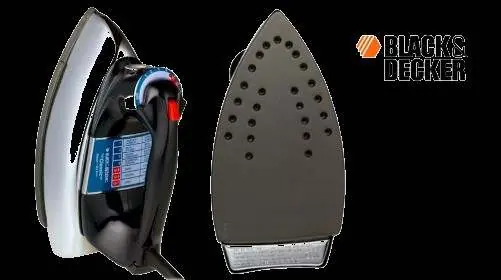
- Black & Decker iron (or similar with temperature guide)
- Gently used dryer sheets (for pressing)
- Applique tweezers and small scissors
Fabric preparation and doubling
Some pieces require doubling to prevent darker fabrics from showing through. Use the 'x' fabric for doubling. Apply a piece of Steam A Seam 2 to the center of the wrong side of the 'x' fabric using a hot dry iron on the wool setting for 3 seconds. Once cooled, remove the release paper and place the applique piece onto the 'x' fabric, pressing again to bond.
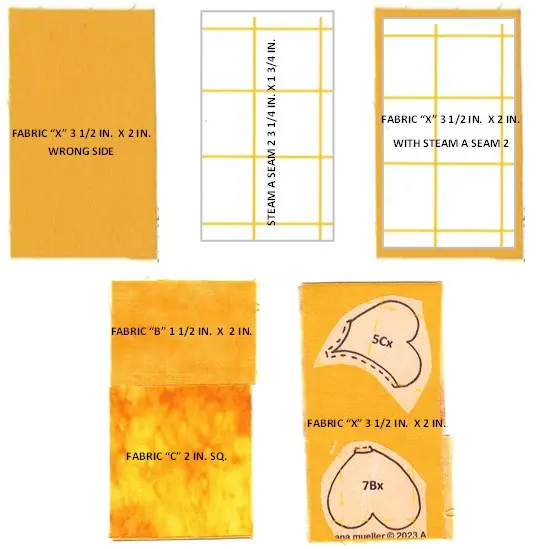
Stitchless applique technique
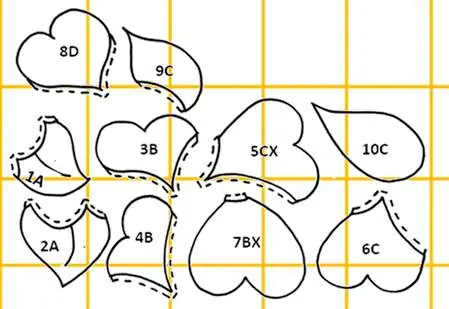
Place the black and white artwork pattern on a light box. Trace each piece onto the yellow graph side of the Steam A Seam 2 using a pencil. Leave 1/4 inch between pieces when tracing. Rough cut the pieces, then match them to the correct fabric color. Remove the release paper and place the fusible side onto the wrong side of the fabric. Press with a hot dry iron for three seconds using the wool setting. Cut each piece out next to the traced line.
Pressing instructions
The technique involves multiple pressing stages. Always place a gently used dryer sheet over the applique pieces when pressing to protect the iron soleplate and prevent excess fusible buildup. Use the wool setting (300 F) for initial pressing steps. For the final bonding, use the Linen setting (445 F) to ensure the tacky glue is completely dissolved and the permanent glue is activated.
Finishing the block
Once all pieces are applied, spray the block heavily with water. Press with a hot dry iron on the Linen setting until dry. Optionally, use Faultless Spray Starch, massage it into the fabric, and press again on the Linen setting. Mark an asterisk (*) on the back of the block to indicate completion.
Practical help
Common problems
Wrinkled Steam A Seam 2
Lightly press with a hot dry iron on a low setting (Acetate 290 degrees) on the plain white paper side.
Fusible not sticking
Ensure you are using the correct iron setting (Wool for initial, Linen for final) and no steam.
Fabric showing through
Use the doubling technique with 'x' fabric as described in the instructions.
Before use
- Gather all required fabrics (A, B, C, D, X, Background)
- Prepare a lightbox for tracing
- Ensure you have a hot dry iron (no water/steam)
- Have a gently used dryer sheet ready for pressing
- Check iron temperature settings
Specs in practice
- Steam A Seam 2
- Double-sided fusible web used for applique.
- Wool Setting
- Used for initial pressing of applique pieces (approx. 300 F).
- Linen Setting
- Used for final pressing and activating permanent bond (approx. 445 F).
Images and diagrams
- The pattern includes numbered pieces for tracing.
- The color value chart helps match fabrics to the design.
Model compatibility
- Designed for 100% cotton fabric.
- Technique is specific to Steam A Seam 2; test other brands.

Manual page author
David Miller
Documentation analyst
Organizes user manual content into clear summaries, with attention to model details, product context, and everyday usability.