Computers / Laptops
User Manual for HP Victus 15-FA2008UA Laptop
Quick guide and user manual for the HP Victus 15-FA2008UA laptop. Learn about hardware components, network connectivity, power management, system maintenance, and security settings.
Table of contents
Manual images
Click an image to enlargeQuick Guide
This guide provides essential information for setting up and using your HP Victus laptop. After initial setup, it is recommended to create recovery media, connect to a network, familiarize yourself with hardware components, and ensure your antivirus software is up to date.
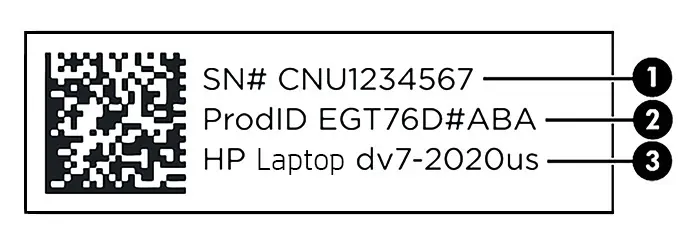
Hardware Overview
The laptop features various ports and components:
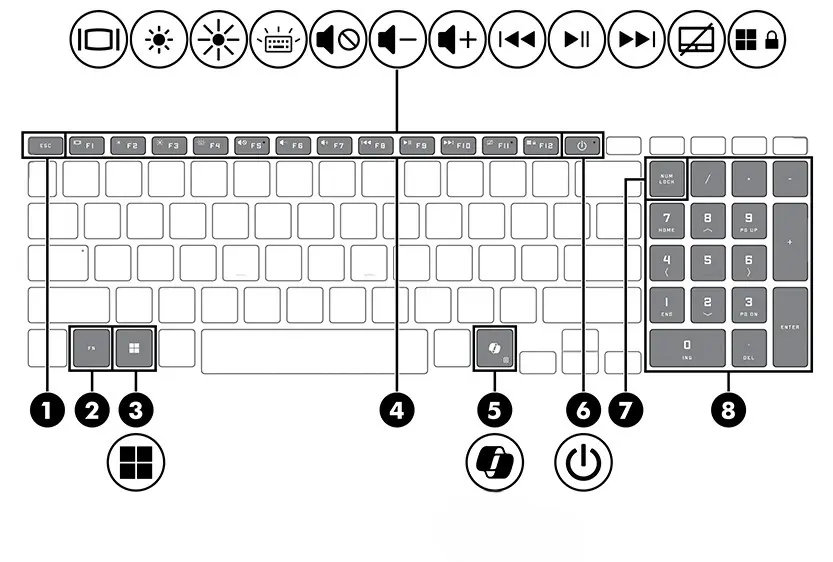
- Right Panel: Includes USB Type-C (with Sleep and Charge and DisplayPort), RJ-45 network port, USB port, and HDMI port.
- Left Panel: Includes power connector, power/battery indicator, USB port, and combo audio jack.
- Display: Contains WLAN antennas, IR camera (on some models), and internal microphones.
Connectivity
The device supports various network connections:
- WLAN: Connect to Wi-Fi networks via the network icon in the taskbar.
- Mobile Broadband: Available on some models; requires registration with a mobile operator.
- Bluetooth: Connect to peripherals like mice, headsets, and speakers via Windows Bluetooth settings.
- LAN: Wired connection using an RJ-45 cable.
Entertainment
The laptop is equipped for multimedia use:
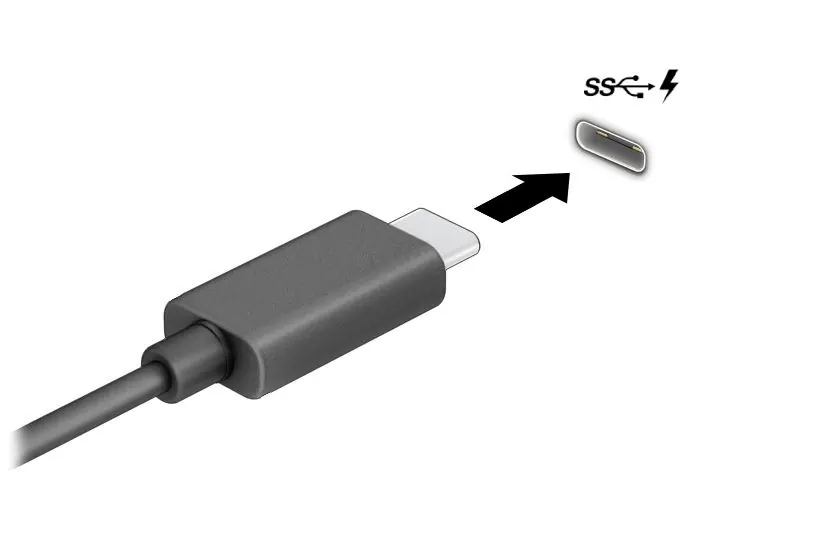
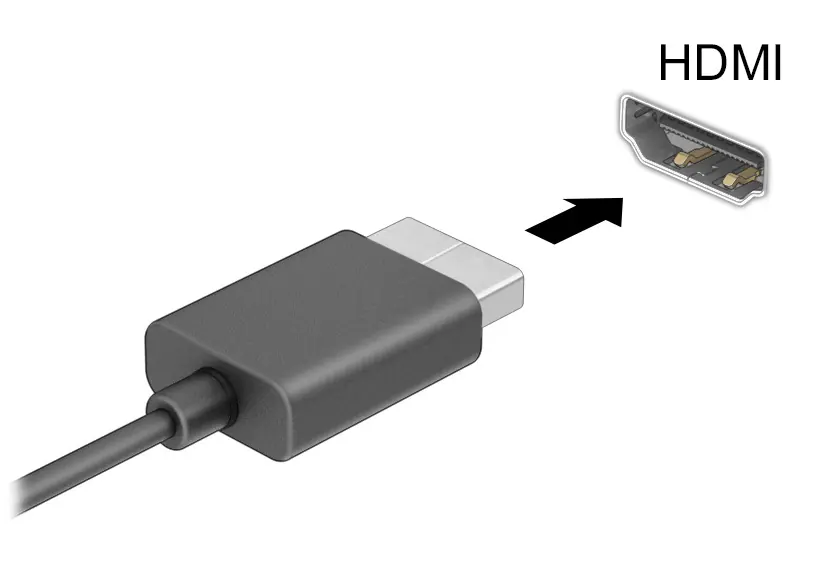
- Camera: Use the Camera app for video chats and recording.
- Audio: Connect external speakers or headsets via the combo audio jack or USB.
- Video: Connect external displays via HDMI or USB Type-C (DisplayPort). Use Windows + p to manage display modes.
Power Management
Manage your battery life and power states:
- Sleep/Hibernate: Use these modes to save power. Hibernate is recommended when away from the computer for extended periods.
- Battery: Monitor charge levels via the power icon. Use HP Fast Charge (on supported models) to charge up to 50% in 30-45 minutes.
Maintenance
Keep your system running optimally:
- Performance: Regularly use Disk Defragmenter and Disk Cleanup.
- Cleaning: Use a microfiber cloth dampened with water or a 70% isopropyl alcohol solution for disinfection. Do not use harsh chemicals or aerosols.
- Travel: Prepare the computer by backing up data and disconnecting external devices.
Security
Protect your data:
- Passwords: Set up Windows and BIOS passwords.
- Windows Hello: Use fingerprint or facial recognition for secure login.
- Software: Keep antivirus and firewall software updated.
Diagnostics and BIOS
Use HP PC Hardware Diagnostics (Windows or UEFI) to troubleshoot hardware issues. Access the BIOS/Setup Utility by pressing f10 during startup to manage system settings.
Backup and Recovery
Create recovery media using HP Cloud Recovery Download Tool or Windows backup tools to restore your system in case of failure.
Manufacturer information
HP Inc.
Practical help
Common problems
Computer not waking from sleep
Press the power button briefly.
Low battery warning
Connect the laptop to an AC power source immediately.
Touchpad not responding
Check if the touchpad is disabled via keyboard function keys or Windows settings.
Before use
- Create system recovery media
- Connect to a stable network
- Familiarize yourself with port locations
- Update antivirus software
- Register the product
Images and diagrams
- Right panel: USB-C, RJ-45, USB, HDMI ports.
- Left panel: Power connector, USB, Audio combo jack.
- Keyboard: Special function keys for volume, brightness, and media control.
Model compatibility
- Some features (e.g., Mobile Broadband, IR camera) are model-dependent.
- Windows S-mode may limit software installation.

Manual page author
Emily Carter
User documentation editor
Prepares concise manual descriptions and highlights the most useful setup, operation, and maintenance information for readers.