Home Appliances / Small Kitchen Appliances
Presto 01/CG22 Pressure Canner and Cooker Owner's Manual
Quick guide for the Presto 01/CG22 Pressure Canner and Cooker. Includes setup, safety instructions, canning and pressure cooking procedures, maintenance, and troubleshooting.
Table of contents
Manual images
Click an image to enlargeQuick guide from the manual
The Presto 01/CG22 is a large-capacity pressure vessel designed for home canning and pressure cooking. Safety is paramount: never overfill the canner (max 2/3 full for most foods, 1/2 full for foaming foods like rice or beans). Always check the vent pipe for obstructions before every use. Do not use on outdoor LP gas burners or ranges over 12,000 BTU.
Getting to know your canner
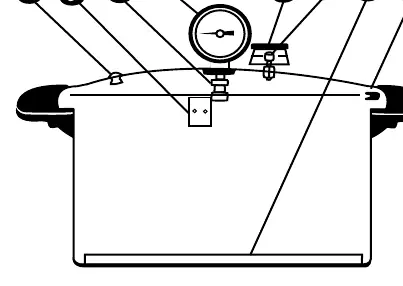
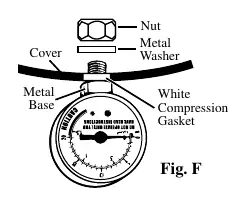
Key components include the pressure dial gauge, pressure regulator, vent pipe, air vent/cover lock, locking bracket, sealing ring, overpressure plug, and canning-cooking rack. The rack must always be used when canning to keep jars off the bottom.
Before using for the first time
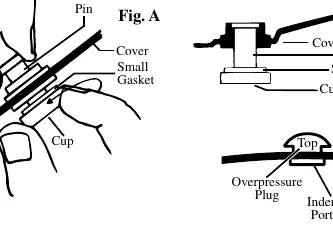
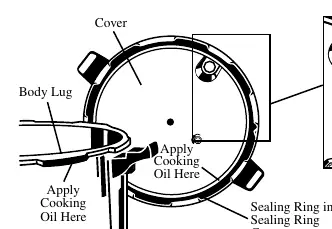
Clean the cover, body, and sealing ring with hot, sudsy water to remove manufacturing oils. Ensure the air vent/cover lock and overpressure plug are correctly installed. The sealing ring is pre-lubricated; a light coating of cooking oil on the ring and body lugs can make opening/closing easier.
Pressure canning
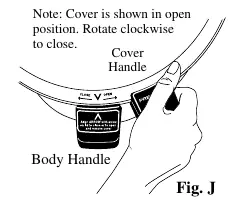
Pressure canning is the only safe method for low-acid foods (vegetables, meats, poultry). Use only Mason jars. Ensure jars are clean and free of nicks. Fill jars leaving appropriate headspace (1/2 inch for fruits, 1 inch for vegetables/meats). Always use the canning rack. Align the V mark on the cover with the V mark on the body handle to lock securely.
Pressure cooking
Pressure cooking reduces cooking time significantly. Always add liquid (usually water) to the canner body. Use the cooking rack if you wish to keep food out of the liquid. Cooking time begins when the gauge registers 15 pounds pressure. Adjust heat to maintain this pressure.
Care and maintenance
Wash the sealing ring after each use. Replace the sealing ring and overpressure plug at least every three years, or sooner if they become hard, deformed, cracked, or pitted. If the canner body or cover handles become loose, tighten with a screwdriver. Do not submerge the dial gauge in water.
Troubleshooting
If leakage occurs, check for: 1) Normal condensation (small amount is okay). 2) Shrinkage of the sealing ring (replace if needed). 3) Misalignment of cover handles. 4) Blocked vent pipe (clean with a pipe cleaner). If the overpressure plug is forced out, do not reuse it; contact the Presto Factory Service Department.
Manufacturer information
National Presto Industries, Inc.
Practical help
Common problems
Leakage between cover and body
Usually caused by a shrunken sealing ring. Replace the sealing ring and overpressure plug.
Vent pipe blocked
Clean with a small brush or pipe cleaner. Always check by holding the cover up to the light before use.
Difficult to open or close
If the canner is hot, the metal may have expanded; let it cool slightly. If it persists, replace the sealing ring.
Gauge not accurate
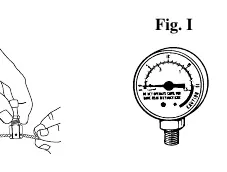
Check accuracy before each canning season. If dropped, submerged, or if the pointer is not in the '0' block, have it checked or replaced.
Before use
- Check vent pipe for obstructions by holding cover to light.
- Ensure air vent/cover lock moves freely.
- Verify sealing ring is clean and in good condition.
- Check overpressure plug for cracks or hardening.
- Ensure jars are Mason-type and free of nicks/cracks.
- Confirm correct headspace for the specific food type.
Specs in practice
- 15 pounds pressure
- The standard operating pressure for this unit; the regulator is designed to rock at this pressure.
Images and diagrams
- The parts diagram on page 4 identifies the dial gauge, regulator, vent pipe, and safety mechanisms.
- Cover alignment (page 6) requires matching the V marks on the cover and body handle to lock the unit.
Model compatibility
- Use only Mason jars for canning.
- Do not use on outdoor LP gas burners or gas ranges over 12,000 BTU.
- Do not pressure cook applesauce, cranberries, rhubarb, cereals, pastas, or dried soup mixes.

Manual page author
David Miller
Documentation analyst
Organizes user manual content into clear summaries, with attention to model details, product context, and everyday usability.