Tools / Welding Equipment
Operator's Manual for Topmaq 154F Series Petrol Engine
Comprehensive operator's manual for Topmaq 154F series petrol engines. Includes essential safety guidelines, starting and stopping procedures, maintenance schedules, oil and fuel recommendations, and troubleshooting tips for optimal engine...
Table of contents
Manual images
Click an image to enlargeQuick Start and Safety Information
Important: This engine is shipped without oil. You must add oil before the first start, or the engine will be damaged beyond repair and the warranty will be voided. Always operate the engine outdoors to prevent carbon monoxide poisoning.
Features and Controls
Familiarize yourself with the engine components:
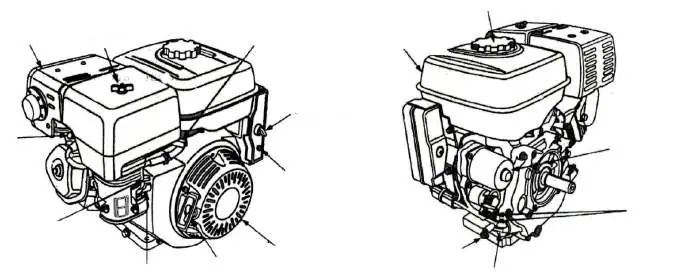
- A: Air cleaner
- B: Muffler
- C: Spark plug
- D: Throttle lever
- E: Recoil starter
- F: Engine switch
- G: Breaker (Electric start type)
- H: Starting handle
- I: Fuel cock
- J: Choke lever
- K: Fuel filler cap
- L: Fuel tank
- M: Starting motor (Electric start type)
- N: Engine identification
- O: Dipstick
- P: Drain plug
Starting the Engine
- Check the oil level using the dipstick.
- Move the fuel cock (I) to the ON position.
- Move the choke lever (J) to the choke position (usually unnecessary for warm engines).
- Move the throttle lever (D) about 1/3 of the way toward the MAX position.
- Turn the engine switch (F) to the ON position.
- Recoil Start: Firmly hold the starting handle (H), pull slowly until resistance is felt, then pull rapidly to avoid kickback.
- Electric Start: Turn the key to the Start position and hold until the engine starts. If it fails to start within 5 seconds, wait 10 seconds before trying again.
Stopping the Engine
- Move the throttle lever (D) to the MIN position.
- Turn the engine switch (F) to the OFF position.
- Turn the fuel cock (I) to the OFF position.
Maintenance Schedule
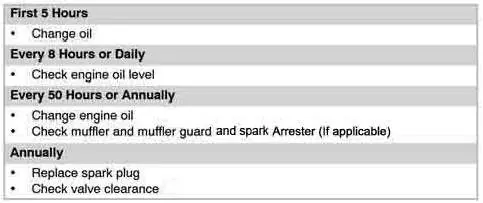
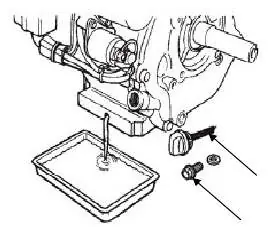
- First 5 Hours: Change oil.
- Every 8 Hours or Daily: Check engine oil level.
- Every 50 Hours or Annually: Change engine oil; check muffler, muffler guard, and spark arrester.
- Annually: Replace spark plug; check valve clearance.
Oil and Fuel Recommendations
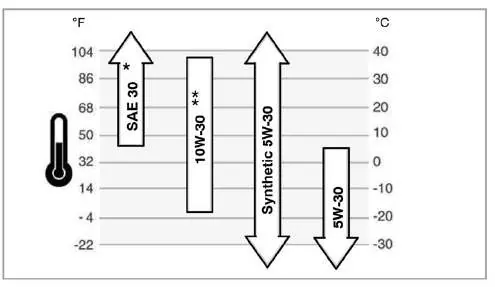
Use clean, fresh, unleaded gasoline with a minimum of 87 octane. Gasoline with up to 10% ethanol or 15% MTBE is acceptable. Do not use E85. For oil, select viscosity based on outdoor temperature (e.g., SAE 30, 10W-30, or Synthetic 5W-30). Do not use special additives.
Troubleshooting
- Engine will not start: Check if out of fuel, ensure choke is set correctly, check for flooded engine, or inspect spark plug for fouling/damage.
- Electric start issues: Check battery capacity and fuse.
Practical help
Common problems
Engine will not start
Check fuel level, ensure choke is set correctly, check if engine is flooded, or inspect/clean the spark plug.
Engine flooded
Set the choke lever to the open/run position and crank the engine.
Electric start failure
Check battery capacity and ensure the fuse is not burnt out.
Before use
- Check engine oil level (must be at the FULL mark).
- Ensure engine is on a level surface.
- Clean the oil fill area of debris.
- Check fuel level in the tank.
- Ensure spark plug wire is connected.
- Verify air cleaner is in place.
Specs in practice
- Oil Capacity
- Varies by model (0.4L to 1.1L). Check the specifications table for your specific model.
- Spark Plug Gap
- 0.6-0.7mm or 0.7-0.8mm depending on the model.
- Spark Plug Torque
- 18-22 N.m.
- Valve Clearance
- Intake: 0.08-0.12mm; Exhaust: 0.13-0.18mm.
Images and diagrams
- The controls diagram identifies the location of the fuel cock, choke, throttle, and starter.
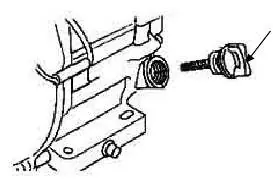
- The oil dipstick diagram shows how to check the level without screwing it in.
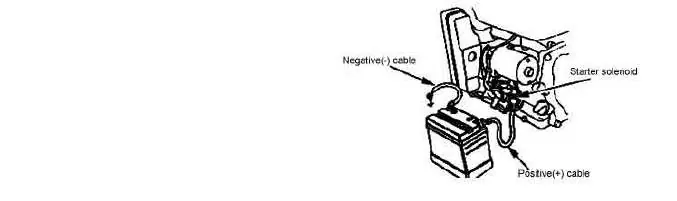
- The battery connection diagram illustrates the positive and negative cable routing.
Model compatibility
- Engine is configured for operation below 2,000 feet altitude at the factory.
- Operation above 2,000 feet requires reconfiguration by a qualified service center.
- Do not use on ATVs, motor bikes, go-karts, or aircraft.

Manual page author
Emily Carter
User documentation editor
Prepares concise manual descriptions and highlights the most useful setup, operation, and maintenance information for readers.