Industrial / Electrical
User Guide for Connect Tech Inc. Xtreme/10G Managed Ethernet Switch/Router
Quick guide for the Xtreme/10G Managed Ethernet Switch/Router, covering installation, configuration, CLI/Web management, and technical specifications.
Table of contents
Manual images
Jump to the sectionQuick guide from the manual
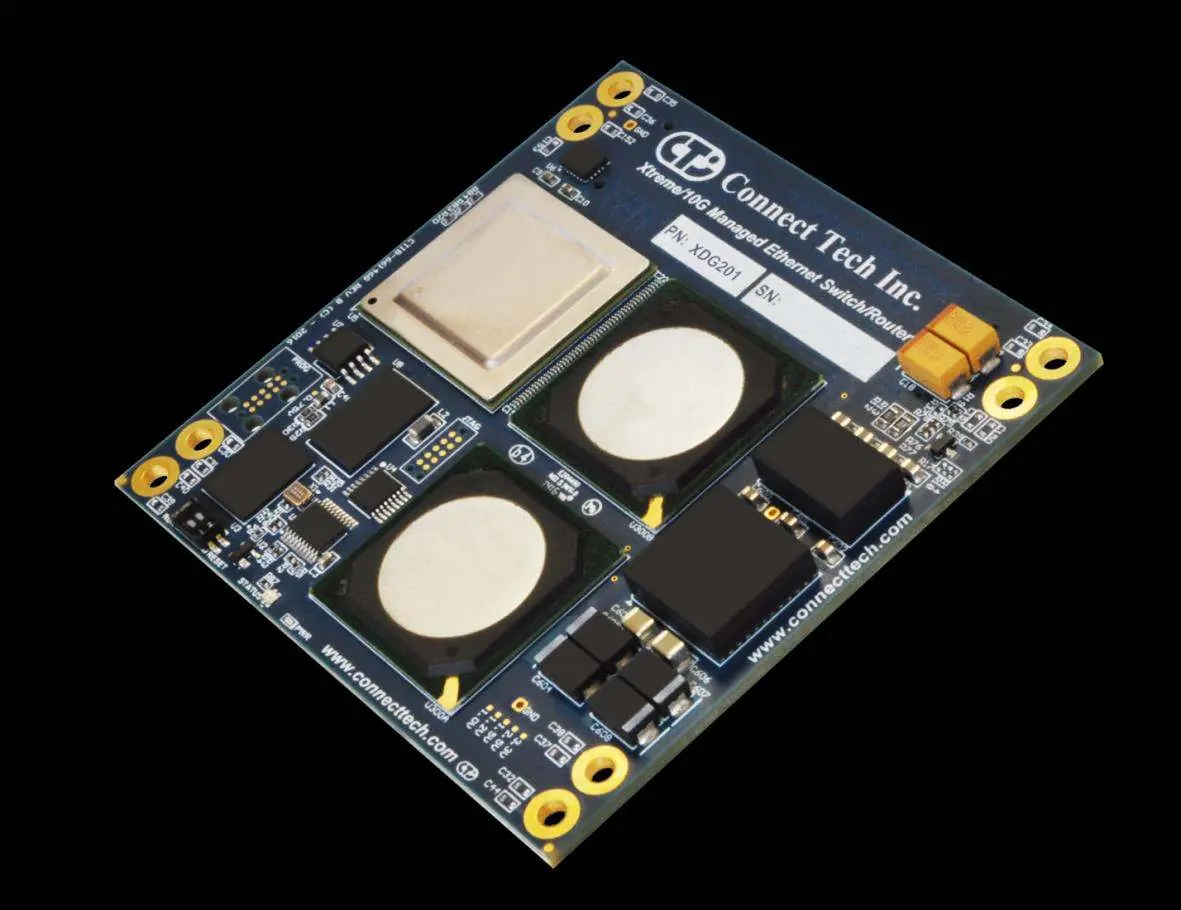
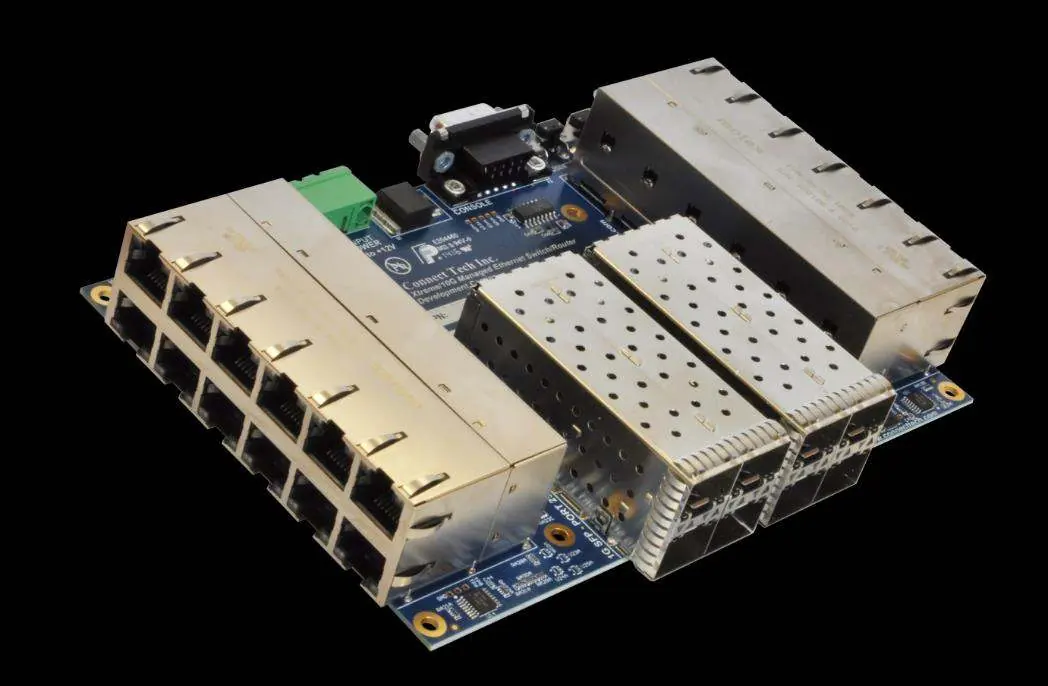
The Xtreme/10G Managed Ethernet Switch (XDG201) is a high-density Layer 2/3 switching module designed for industrial applications. This guide provides essential information for integrating the module into a carrier board, configuring the device via CLI or Web interface, and understanding its technical parameters.
Safety and Handling
The device contains sensitive electronic components. Always observe ESD (ElectroStatic Discharge) precautions:
- Keep boards in antistatic packaging until installation.
- Use a grounded wrist strap or touch a grounded metal object before handling.
- Handle boards by the edges to avoid contact with components.
- Avoid handling in carpeted areas.
Typical Installation
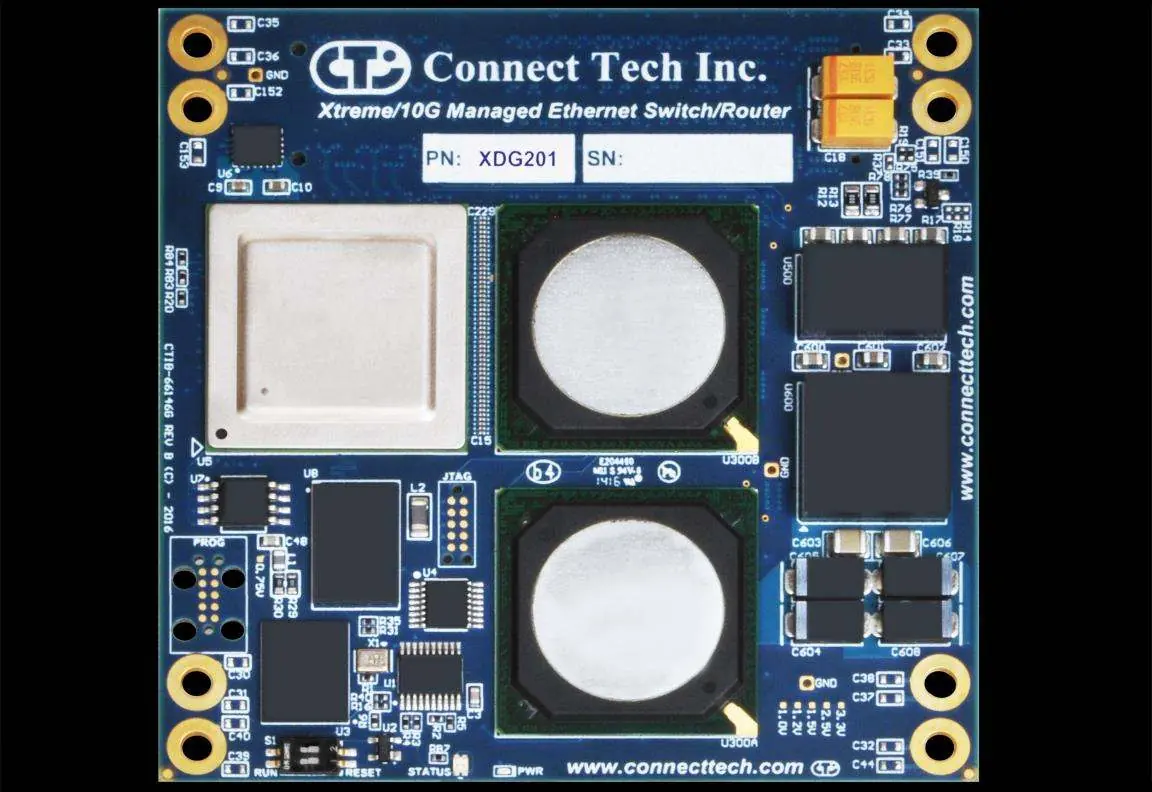
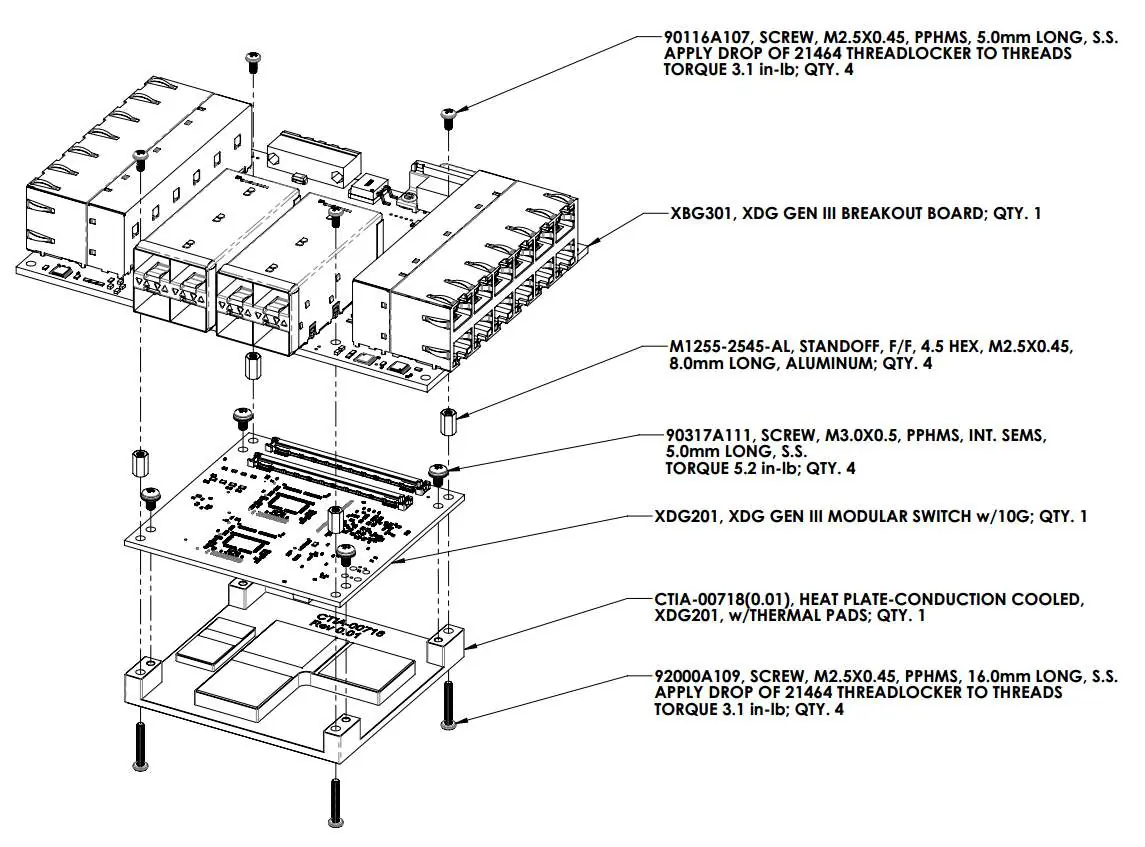
- Install the XHG201 heatplate to the XDG201 module.
- Prepare the breakout/carrier board with 4 x M3 8mm standoffs.
- Ensure the carrier board provides +12V DC power.
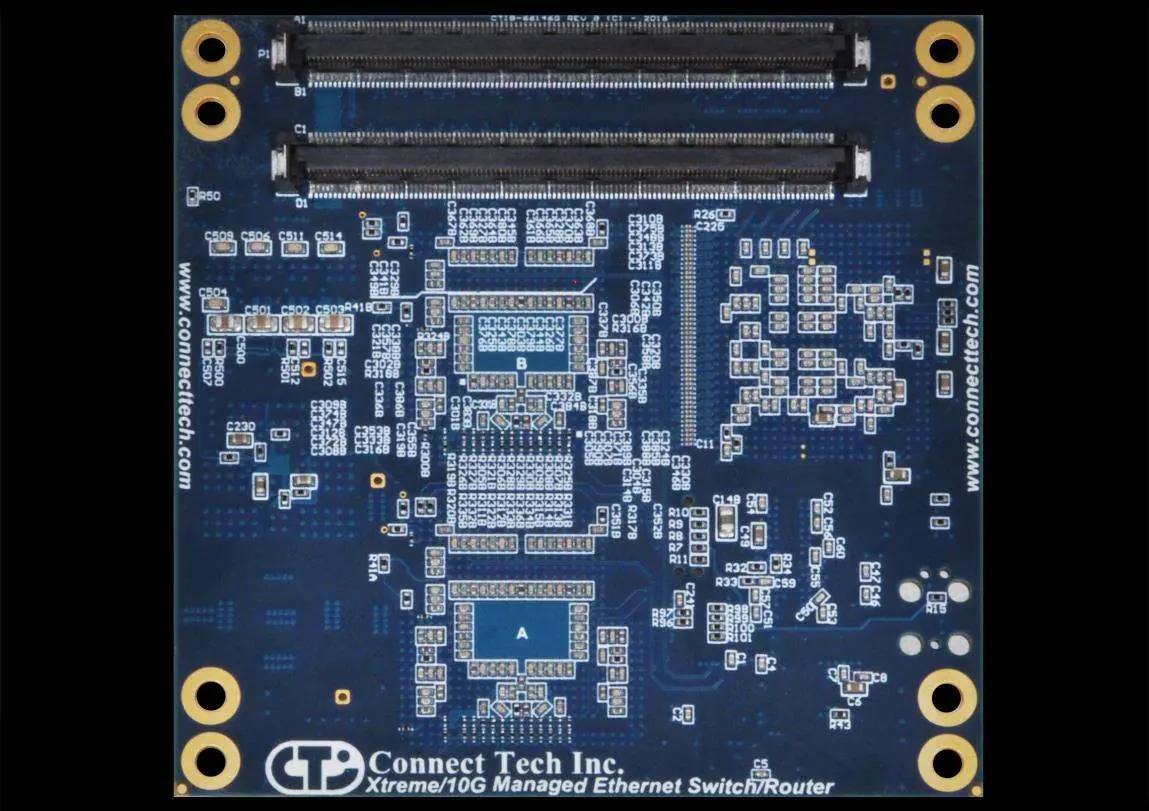
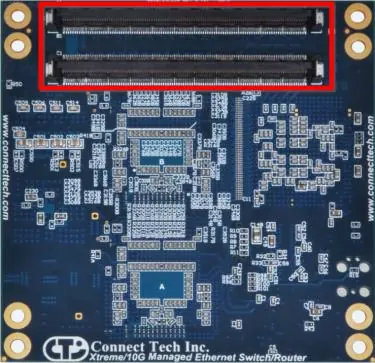
- Mate the board-to-board connector (P1) securely.
- Power on the carrier board to boot the module.
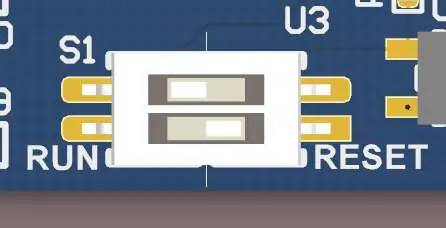
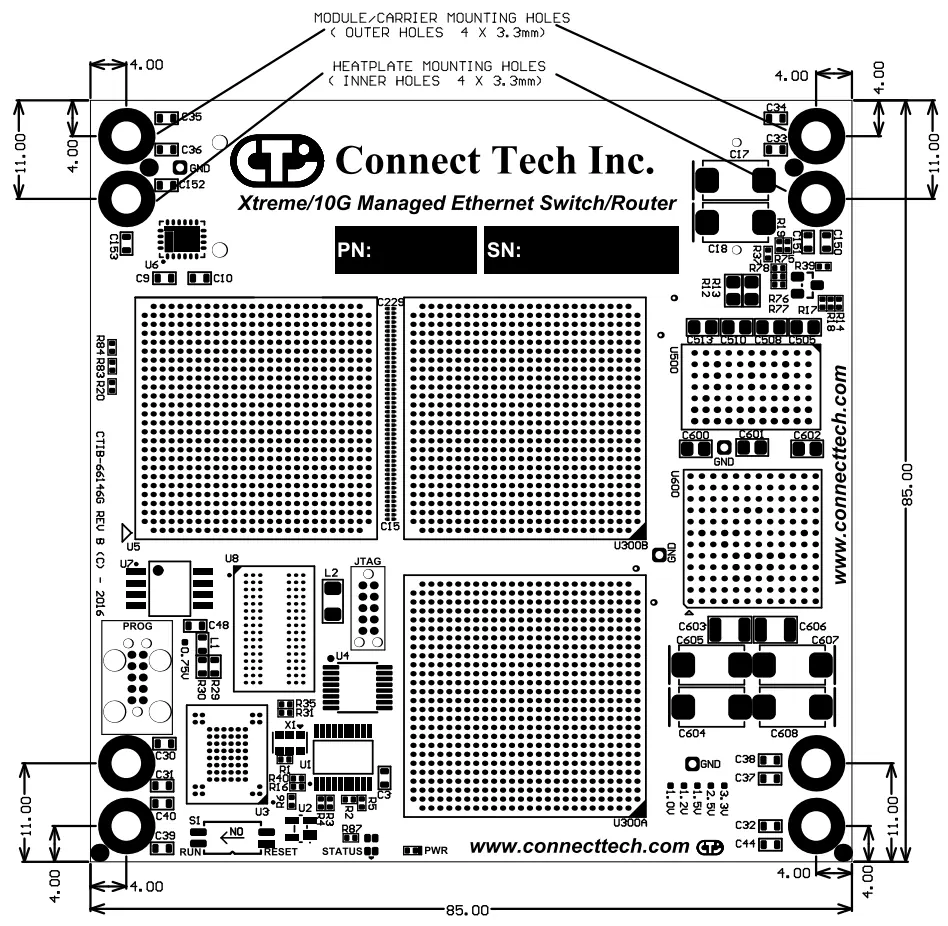
Important: Ensure the S1 DIP switch is set to RUN at all times. Setting it to RESET will prevent the board from booting.
Management Interfaces
CLI Access: Connect to the external serial port using a terminal program (e.g., Putty, RealTerm). Settings: 115200 baud, 8 data bits, 1 stop bit, no parity. Default login is admin with a blank password.
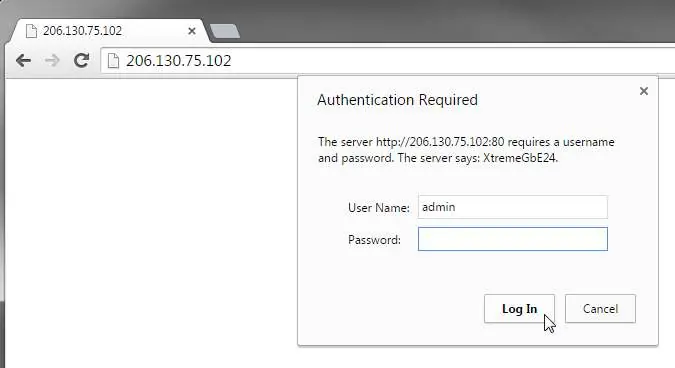
Web Interface: Access via a web browser. Default IP is 10.10.10.1. Connect your PC to the same subnet (10.10.10.X) to access the login screen. Default credentials are admin with a blank password.
Technical Specifications
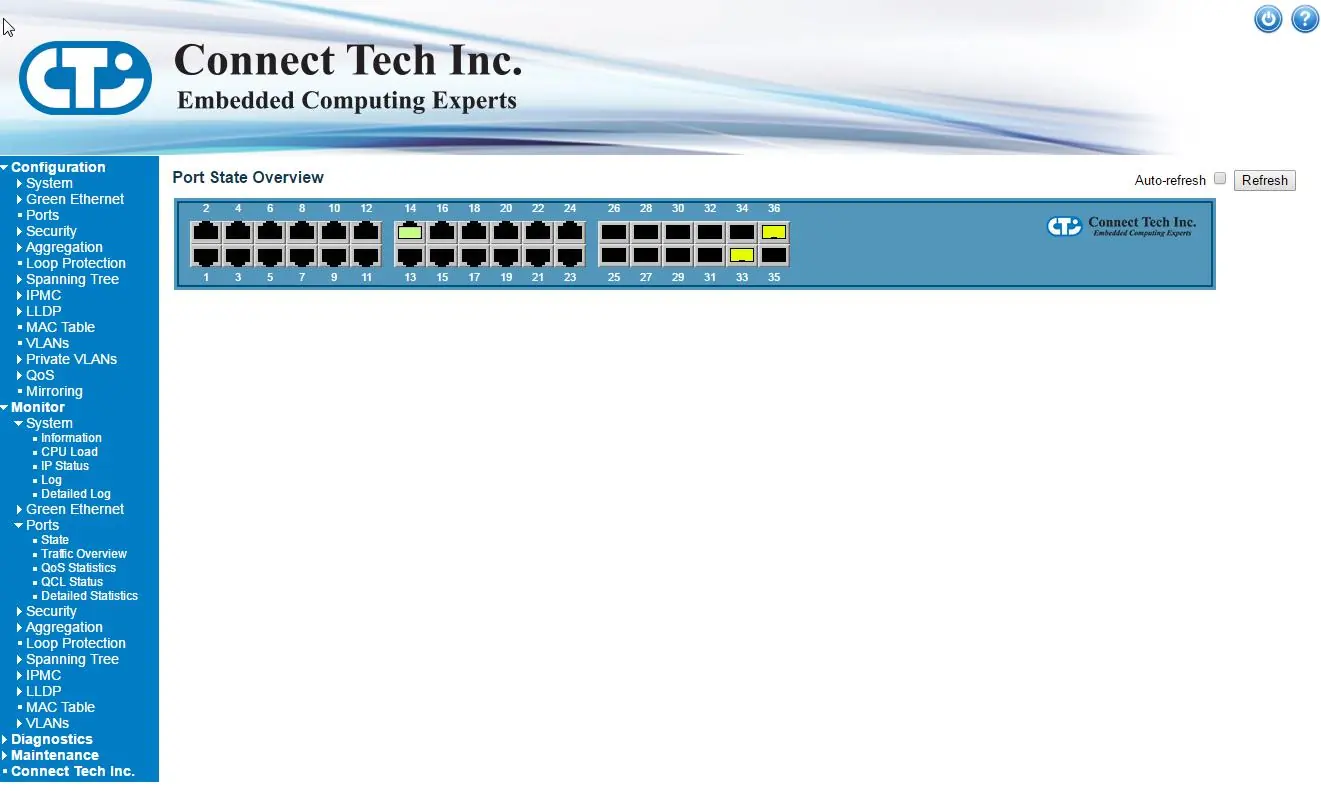
- Ports: 36 total (4x 10G SFI, 8x 1G SGMII, 24x 1G Copper).
- Input Voltage: +4V to 14V DC.
- Power Consumption: 24W Max / 14W Idle.
- Operating Temperature: -40°C to +85°C.
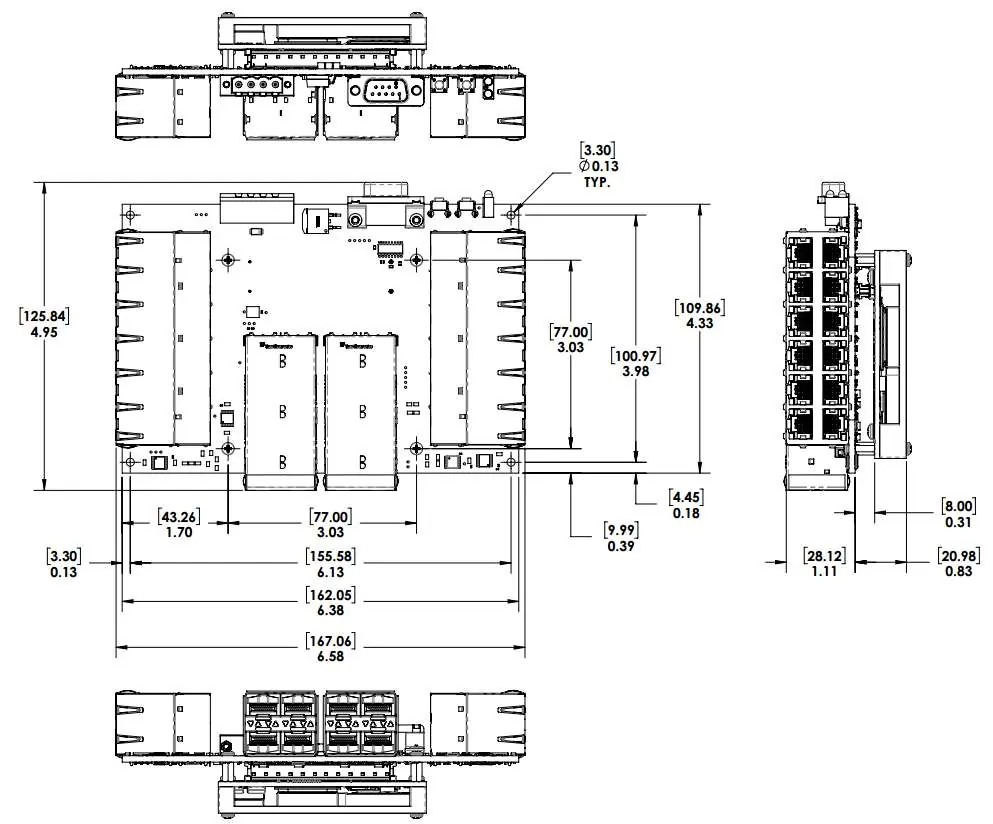
- Dimensions: 85mm x 85mm.
Manufacturer information
Connect Tech Inc.
Practical help
Common problems
Device will not boot
Ensure the S1 DIP switch is set to the 'RUN' position.
Cannot access Web Interface
Ensure your PC is on the same subnet (10.10.10.X) as the switch (default 10.10.10.1) or configure a new IP via CLI.
Serial connection not working
Verify baud rate is set to 115200 and only TX, RX, and GND pins are connected.
Before use
- Ensure ESD safety precautions are followed.
- Install the XHG201 heatplate before operation.
- Verify the carrier board provides +12V DC.
- Ensure the S1 switch is in the 'RUN' position.
- Use a standard Cat5e cable for initial network connection.
Specs in practice
- Input Voltage
- Requires +4V to 14V DC; +12V is standard for most configurations.
- Operating Temp
- Industrial range from -40°C to +85°C.
Images and diagrams
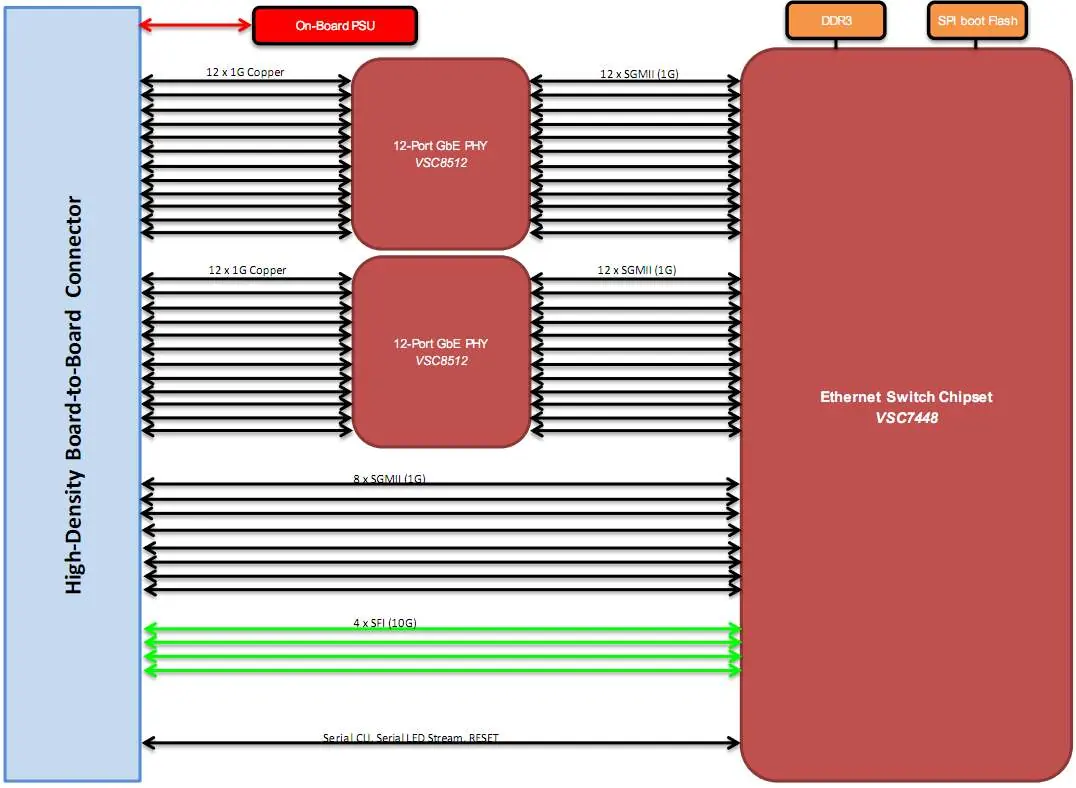
- The block diagram shows the data path from the high-density connector through the PHYs to the VSC7448 switch chipset.
- The assembly drawing illustrates the correct stacking order of the carrier board, standoffs, XDG201 module, and heatplate.
Model compatibility
- The XDG201 is a proprietary module requiring a carrier board (e.g., XBG301).
- Supports Cisco-compatible GLC-T transceivers.

Manual page author
Emily Carter
User documentation editor
Prepares concise manual descriptions and highlights the most useful setup, operation, and maintenance information for readers.