Power / Batteries Chargers
Instruction Manual for EnerSys Perfect Plus Motive Power Batteries
Quick guide for EnerSys Perfect Plus ATEX-certified motive power batteries. Includes safety protocols, commissioning, daily maintenance, electrolyte level management, and troubleshooting.
Table of contents
Manual images
Jump to the sectionQuick guide from the manual
This manual provides essential safety and operational guidelines for Hawker Perfect Plus and Water Less ATEX-certified motive power batteries. These batteries are designed for use in hazardous areas (gas and dust). Crucial: Never charge these batteries in a zoned hazardous area. Always use approved moving equipment and ensure the battery remains upright.
Safety
Batteries are a constant source of power. Follow these safety codes:
- Never charge in a zoned area.
- Never disconnect the battery in a zoned area.
- Always use certified DC plugs.
- Do not use if cables are bare or plugs are damaged.
- Do not smoke or expose to sparks/flames.
- Wear protective glasses and clothing.
- If acid contacts skin or eyes, wash with water and consult a doctor immediately.
Commissioning
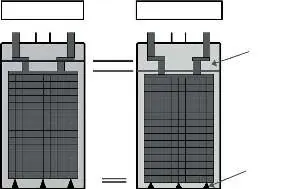
Before first use, check the electrolyte level. If below the anti-surge baffle or separator top, top up with purified water (IEC 62877-1:2016). Ensure charger cables are connected with correct polarity. The specified torque for pole screws (M10) is 25 + 2Nm. Ensure the battery compartment is well-ventilated and the battery is secured against movement.
Recommended maintenance
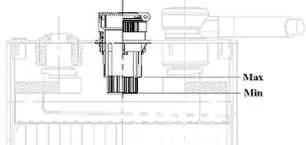
Daily: Recharge after discharge. Check electrolyte levels at the end of the charge and top up to the 'max' level if necessary using only distilled or demineralized water.
Weekly: Check connections for frayed insulation. If found, remove the battery from the zoned area immediately. Check that vent plugs and insulators are in place.
Monthly: Measure and record total voltage, voltage per cell, and electrolyte density after a full charge and at least 2 hours of rest.
Annually: Have an electrical specialist check the insulation resistance of the truck and battery (EN 1175-1, EN 1987 part 1).
Discharge and Recharge
Avoid deep discharges (more than 80% of rated capacity). Recharge immediately after use. Charging should only begin if the electrolyte temperature is below 43°C and at least +10°C. Never disconnect the battery until the charger is switched off.
Aquamatic water refilling system
This optional system automatically maintains electrolyte levels. Ensure a water pressure of 0.2 to 0.6 bar (at least 2m height difference between battery top and tank bottom). Use only purified water with conductance ≤ 30 µS/cm.
Electrolyte circulation system
This optional system prevents electrolyte stratification by pumping air into cells. The air filter should be checked and replaced at least once a year, or more frequently in dusty environments.
Manufacturer information
EnerSys
Practical help
Common problems
Battery getting hot
Stop use, remove from zoned area, allow to cool, and investigate for faults in the equipment or battery cells.
Frayed wires or worn insulation
Remove battery from service immediately, move to a safe area outside the zoned area, and contact your service depot.
Insufficient discharge time
Check if work requirements exceed battery capacity, verify charger settings, and check discharge limiter settings.
Before use
- Check for physical damage to containers.
- Ensure electrolyte level is at the 'max' mark.
- Verify charger polarity matches battery terminals.
- Ensure all connections are tight (25Nm torque for M10 screws).
- Confirm battery is secured in its housing to prevent movement.
Specs in practice
- Nominal voltage
- 2.0 V multiplied by the number of cells.
- Rated temperature
- 30°C; higher temperatures shorten battery life, lower temperatures reduce capacity.
- Nominal S.G. of electrolyte
- 1.29 kg/l at 30°C (reached within the first 10 cycles).
Images and diagrams
- The type plate provides specific rating data including capacity (C5) and serial number.
- The electrolyte level indicator shows the 'Min' and 'Max' levels for safe operation.
- The Aquamatic system diagram illustrates the connection between the tank, flow control, and battery cells.
Model compatibility
- ATEX certificates apply to EEx and IECEx, excluding North America (USA and Canada).
- Only use approved distilled or demineralized water for topping up.
- Aquamatic systems must not be modified in any way.

Manual page author
Michael Turner
Technical manual editor
Reviews PDF manuals for structure, safety notes, and practical product details so readers can find the right information quickly.