Hvac / Heat Pumps
User Manual for Hygger HG-010 Wave Maker
Quick guide for the Hygger HG-010 wave maker. Learn how to install, maintain, and troubleshoot your aquarium pump for optimal water circulation.
Table of contents
Manual images
Jump to the sectionQuick guide from the manual
The Hygger HG-010 wave maker is designed to simulate natural water currents in aquariums. Key operational requirements include installing the unit 6-8 inches below the water level and ensuring the magnetic base is securely attached outside the tank. Regular maintenance, specifically cleaning the impeller and front cover, is essential to prevent noise and ensure efficient operation.
Product Features
- Water Circulation: Simulates natural currents, providing exercise for fish and increasing oxygen levels.
- Quiet Operation: Magnetic and suction base reduces noise and protects the glass.
- 360 Degree Rotation: Allows full control of the water flow direction.
- Versatility: Suitable for both saltwater and freshwater aquariums.
Product Parameters
The HG-010 series comes in two models with different capacities:
- HG-010-S: 110-120V/220-240V, 5W power, 1050 GPH (4000 LPH) flow, suitable for 20-60 Gallon (75-225L) tanks.
- HG-010-M: 110-120V/220-240V, 12W power, 2100 GPH (8000 LPH) flow, suitable for 75-130 Gallon (280-490L) tanks.
Installation
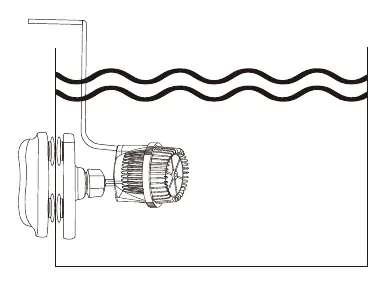
- Unpack the box and verify all accessories are included.
- Insert the fixture of the magnetic base into the pump.
- Separate the magnetic base components.
- Adjust the wave maker to the desired angle and install it 6-8 inches below the water level.
- Place the magnetic and suction base mount on the outside of the tank.
- Connect the power.
Maintenance
To ensure efficient operation, clean the pump regularly:
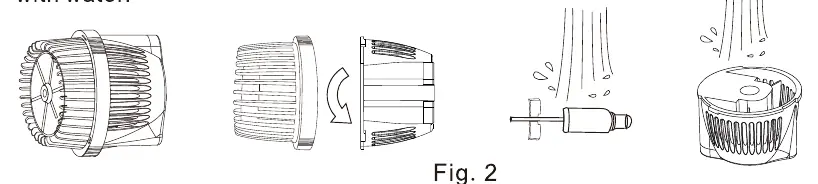
- Shut off the power supply.
- Rotate the front cover to remove it.
- Remove the impeller and wipe it with a soft cloth.
- Clean the pump body with water.
- Reassemble by placing the impeller back into the pump, installing the impeller and front cover, and rotating the cover tightly to secure it.
Troubleshooting
If the pump does not work or makes unusual noise:
- Check for debris: Ensure there is no debris around the impeller or magnet.
- Check assembly: Verify the impeller unit is assembled correctly after cleaning.
- Check for sand: If using a sandy substrate, ensure the filter intake is not near the sand.
- Check for wear: Inspect the impeller unit for signs of wear and replace if necessary.
Safety Warnings
- Electrical Safety: Do not attempt to repair the unit yourself. If the cord or plug is damaged, discard the unit.
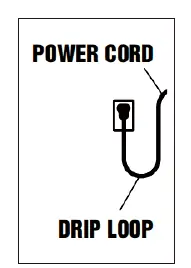
- Drip Loop: Always arrange a drip loop in the power cord below the level of the receptacle to prevent water from dripping into the outlet.
- Usage: Intended for household use only. Do not run the pump dry.
- Temperature: Operating temperature range is 32-113 degrees Fahrenheit.
- Supervision: Close supervision is required when used near children.
Contact Information
If you have problems or suggestions, contact Hygger support:
E-mail: [email protected]: www.hygger-online.com
Official resources from the manual
Manufacturer information
Hygger Aquarium Inc
Practical help
Common problems
Pump does not work or makes unusual noise
Clean the pump of debris, ensure the impeller is correctly assembled, check for sand intake, or replace the impeller unit if worn.
Before use
- Unpack and verify all parts are present.
- Ensure the tank size is compatible with your model (S: 20-60 gal, M: 75-130 gal).
- Verify your power supply voltage matches the pump specifications.
- Ensure the magnetic base is clean and ready for installation.
Specs in practice
- Max volume of flow
- The maximum water circulation capacity per hour, measured in Gallons Per Hour (GPH) or Liters Per Hour (LPH).
- Applicable Tank
- The recommended aquarium volume range for the specific pump model to ensure effective water movement.
Images and diagrams
- Drip Loop: A necessary safety configuration where the power cord hangs below the outlet level to prevent water from traveling along the cord into the electrical socket.
Model compatibility
- Suitable for both saltwater and freshwater environments.
- Operating temperature range: 32-113 degrees Fahrenheit.

Manual page author
Michael Turner
Technical manual editor
Reviews PDF manuals for structure, safety notes, and practical product details so readers can find the right information quickly.