Industrial / Energy Monitoring
Operating Instructions for MRS Time Relays
Comprehensive operating instructions for MRS Time Relays. This guide covers safety guidelines, installation procedures, wiring requirements, software programming, maintenance, and troubleshooting for various models.
Table of contents
Manual images
Click an image to enlargeQuick Guide from the Manual
This document provides essential operating instructions for MRS Time Relays. Key points for users include:
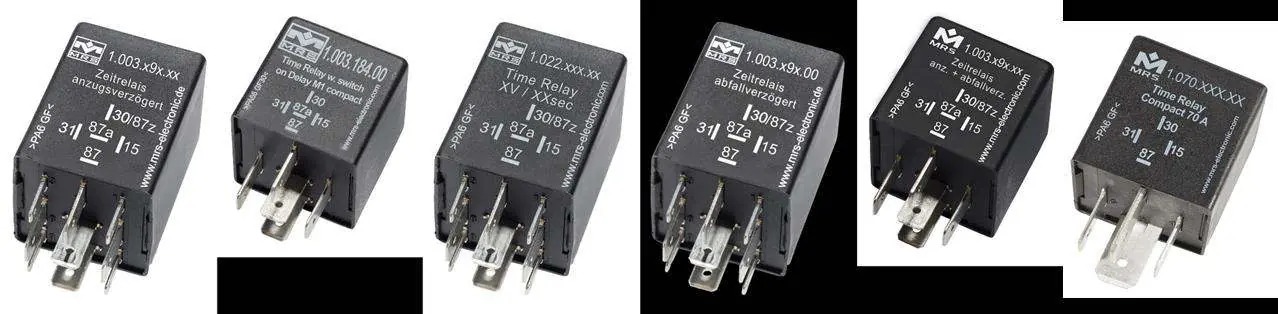
- Qualified Staff Only: Installation, maintenance, and troubleshooting must be performed by trained experts.
- Mounting: Always mount the relay with connectors pointing downwards to allow condensation to drain.
- Wiring: Use an external fuse to protect against overvoltage. Ensure proper strain relief for cable harnesses.
- Safety: Do not open the relay. If the device falls, it must be returned to MRS for inspection.
- Cleaning: Do not use high-pressure cleaners or steam jets.
Safety Information
The time relay is designed for use in vehicles and self-propelled work machines. Adherence to safety regulations is mandatory to prevent property damage or personal injury.
- Electrical Safety: Ensure the system is de-energized before installation or maintenance. Do not connect or disconnect under load.
- Environmental Conditions: Avoid explosive areas. Ensure the mounting location is free from chemicals and excessive mechanical or thermal loads.
- Protection: Use appropriate watertight sockets and protection caps to maintain the specified IP protection class and prevent contact with pins.
- Hot Surfaces: The casing may become hot; allow the system to cool before touching.
Installation and Wiring
Proper installation is critical for the longevity and safety of the time relay.
- Mounting Location: Select a location with minimal mechanical and thermal stress.
- Mounting Position: Connectors must point downwards.
- Fastening: For relays with flat plugs (ISO 7588-1), ensure they are plugged vertically into the correct slot.
- Wiring Requirements: Cables must be laid with strain relief and be friction-free. Ensure cable cross-sections meet technical data requirements.
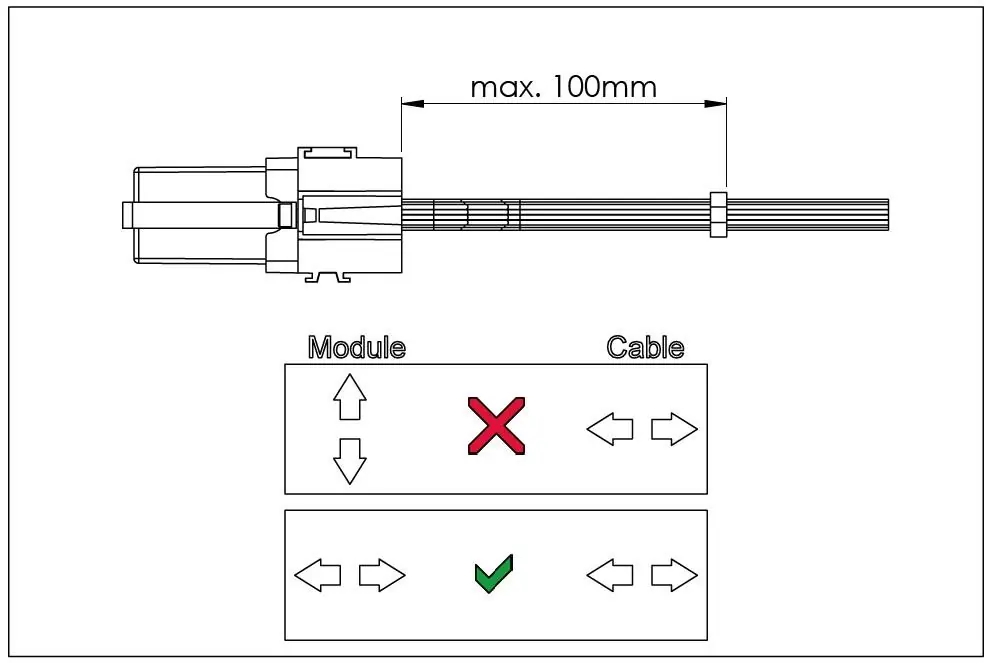
- Strain Relief: A strain relief is mandatory for the cable harness to prevent mechanical damage.
Commissioning and Software
Commissioning should only be performed by qualified personnel in a safe environment.
- Functional Test: MRS recommends a functional test on-site.
- Software: For relays supplied without software, programming can be performed using the MRS Realizer. Firmware updates must be performed by MRS or an authorized partner.
Maintenance and Troubleshooting
The time relay is maintenance-free, but regular checks are required.
- Cleaning: Clean only in a dust-free environment. Do not use aggressive solvents, scouring agents, high-pressure cleaners, or steam jets.
- Fault Removal: If the device is damaged (casing, seals, plugs), it must be shut down and replaced. Check software, circuitry, and parameter settings in case of faulty operations.
- Disposal: Dispose of disused products in accordance with national environmental regulations for vehicles and work machines.
Practical help
Common problems
Device not functioning correctly
Check the software, circuitry, and parameter settings. Ensure the system is de-energized before inspection.
Corroded contacts or damaged casing
Remove the relay immediately and dispose of it in accordance with national environmental regulations.
Relay fell during handling
The relay may no longer be used and must be returned to MRS for inspection.
Before use
- Ensure installation is performed by qualified staff.
- Verify the relay is free from damage (casing, locking catch, seals, flat plugs).
- Ensure the system is de-energized before starting work.
- Confirm the mounting location is free of chemicals and excessive heat.
- Ensure the relay is mounted with connectors pointing downwards.
- Verify that the correct watertight socket and protection caps are used.
Specs in practice
- IP Protection Class
- Must be maintained by using the correct accessories (sockets/caps) as per the data sheet.
- Strain Relief
- Mandatory for cable harnesses to prevent mechanical damage to the module.
Images and diagrams
- The strain relief diagram illustrates the correct cable routing to prevent mechanical stress on the module and cable harness.
Model compatibility
- Intended for use in vehicles and self-propelled work machines only.
- Not permitted for use in explosive areas.
- Not for use in safety-relevant system parts for functional safety.

Manual page author
Michael Turner
Technical manual editor
Reviews PDF manuals for structure, safety notes, and practical product details so readers can find the right information quickly.