Electronics / Cable Management
RS Pro Batteries Product Range Guide
A comprehensive guide for RS Pro batteries, covering battery technology, storage, disposal, compliance, types, sizes, and usage guidelines for chargers and testers.
Table of contents
Manual images
Click an image to enlargeQuick Guide from the Manual
This guide provides essential information on the RS Pro battery range. Key takeaways include proper storage, safe disposal, and guidelines for using battery chargers and testers. Always ensure battery voltage and chemistry are compatible with your device and charger before use.
How Batteries Work
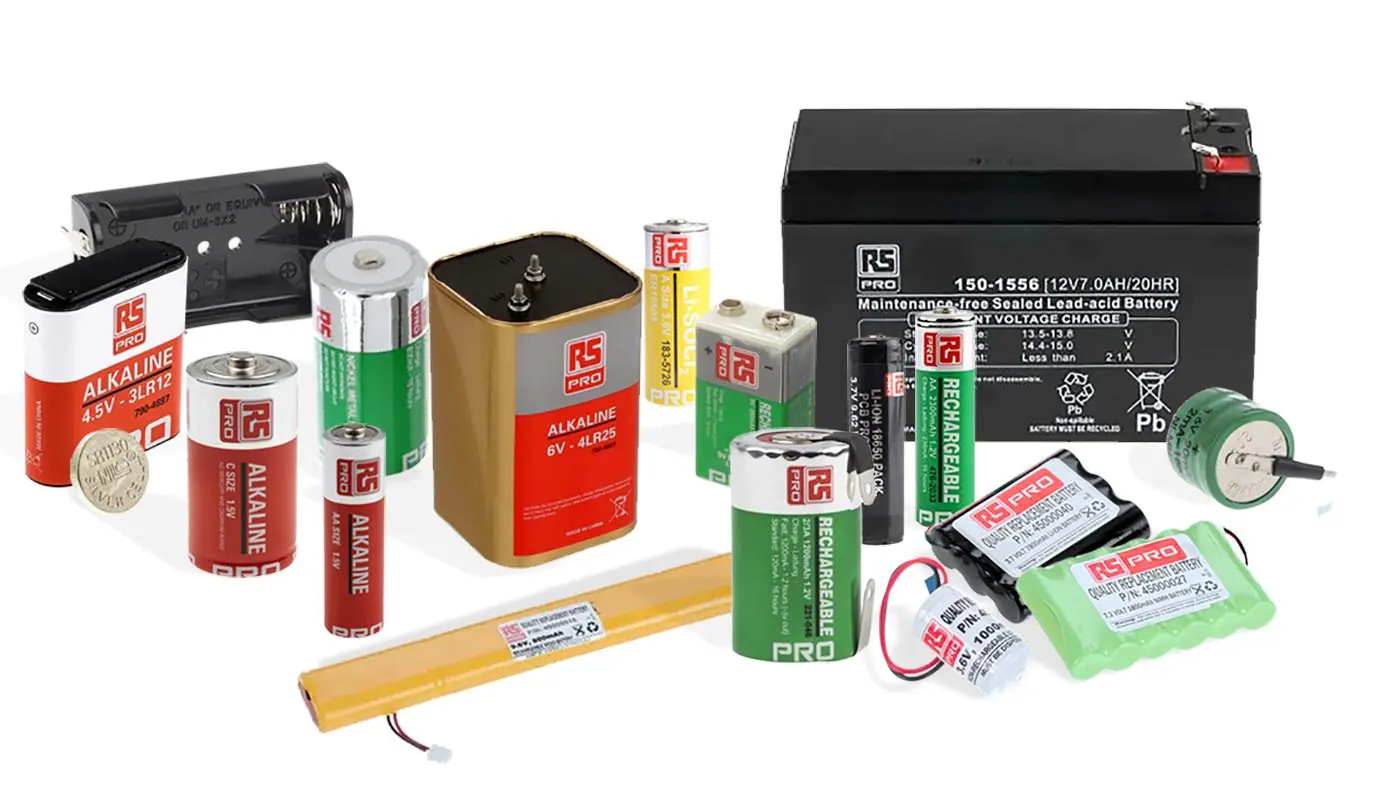
Batteries convert chemical energy into electrical energy. A chemical reaction creates a potential difference (voltage) between the negative and positive electrodes, causing electrons to flow through the connected circuit. The higher the voltage, the more current is pushed through the circuit.
Battery Storage and Disposal
- Storage: Store batteries in their original packaging at room temperature or below. Avoid humid conditions and direct sunlight. Prevent terminals from contacting each other or metal objects to avoid discharge.
- Leaking: If a battery leaks, dispose of it immediately without touching it. Wash hands thoroughly and clean any residue.
- Disposal: Do not dispose of batteries with normal household waste. Use dedicated recycling points at local centers, supermarkets, or DIY stores. Never throw batteries into a fire.
Compliance and Safety
RS Pro batteries comply with relevant regulations, including RoHS and UN38.3 for lithium batteries. New regulations (EU 2023/1542) require CE marking on batteries or packaging to ensure sustainability, safety, and transparency. Lithium batteries are classified as Dangerous Goods and require specific test reports for transport.
Battery Types
- Alkaline: Popular, single-use, non-rechargeable batteries. They provide consistent discharge and reliable performance but are not environmentally friendly.
- Lithium Ion: Rechargeable, commonly used in laptops and phones. They offer quick charging and consistent power output.
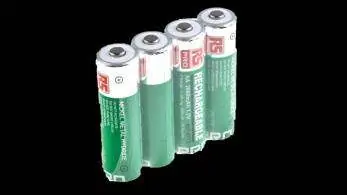
- NiMH (Nickel Metal Hydride): Rechargeable, used in household and industrial items. They have higher capacity than NiCd and last longer with frequent charging.
Battery Sizes
Sizes are determined by the device requirements. Common cylindrical sizes include AAA, AA, C, and D, typically 1.5V. 9V batteries are cuboid with top terminals. Button-shaped batteries are used in small, low-power devices like watches or kitchen scales.
Rechargeable Batteries
Rechargeable (secondary) cells facilitate reversible chemical reactions, allowing for repeated energy replenishment. They are more complex and expensive than primary cells but offer long-term cost savings and are essential for modern portable electronics.
Lead Acid Batteries
Used for backup power, vehicle ignition, and emergency lighting. Types include:
- Gel lead acid: Electrolyte is in gel form, safer to handle and suitable for lower-voltage applications.
- Absorbed glass mat (AGM): Electrolyte is held in fiberglass mats, making them resistant to low temperatures and vibrations, with faster charging capabilities.
Battery Chargers
Guidelines for selecting and using chargers:
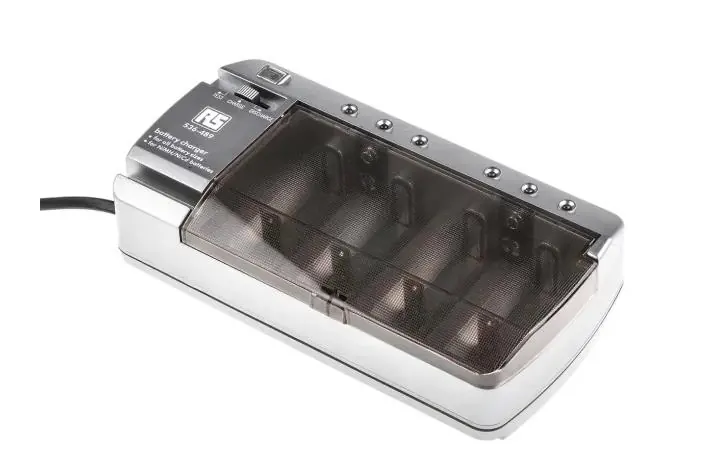
- Ensure the charger voltage matches the battery.
- Lead-acid chargers must switch to float charge when fully saturated.
- Nickel-based chargers must switch to trickle charge when full.
- Li-ion batteries cannot absorb overcharge and do not use trickle charge.
- Do not charge if the battery Ah rating deviates more than 25% from the charger specification.
- Charge at room temperature for best results.
Battery Testers and Holders
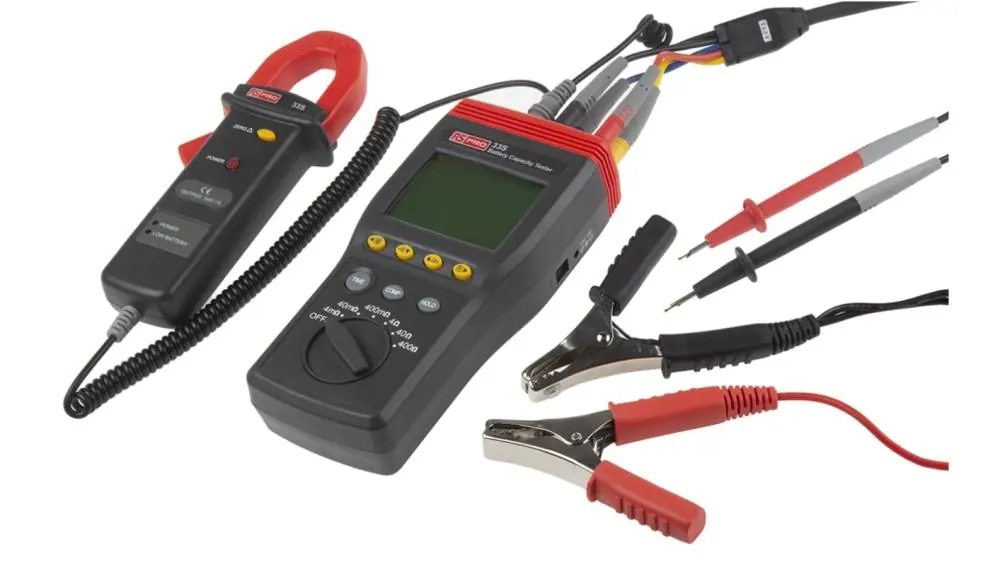
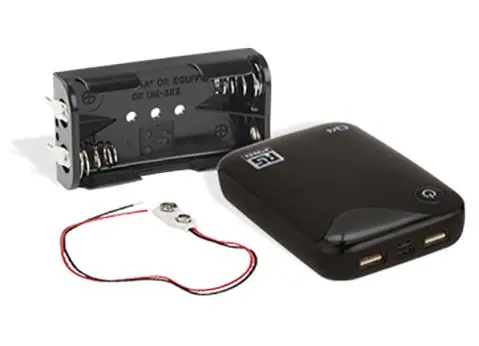
Battery testers measure remaining capacity by applying a load and monitoring voltage response, rather than just testing voltage. Battery holders secure cells in place and provide electrical connections via pins, surface mount feet, or wire leads.
Manufacturer information
RS PRO
Practical help
Common problems
Leaking battery
Dispose of immediately without touching. Wash hands thoroughly and clean any residue.
Battery discharge during storage
Store in original packaging at room temperature or below. Ensure terminals do not touch each other or metal objects.
Charger incompatibility
Ensure battery voltage matches the charger. Do not charge if the battery Ah rating deviates more than 25% from the charger specification.
Overheating during charging
Chargers should be supervised. If the battery feels warm, remove it from the charger.
Before use
- Verify battery voltage matches the device requirements.
- Ensure the charger chemistry is compatible (e.g., Lead-acid vs. Nickel-based vs. Li-ion).
- Check that the battery Ah rating is within 25% of the charger's rated capacity.
- Inspect batteries for leaks or damage before insertion.
- Ensure the battery holder contacts are clean and secure.
Specs in practice
- mAh (Milliampere-hours)
- Indicates battery capacity; a higher rating generally allows for longer runtime.
- Float charge
- A maintenance charge mode used for lead-acid batteries when they are fully saturated.
- Trickle charge
- A low-current charge mode used for nickel-based batteries when they reach full capacity.
Images and diagrams
- Battery testers apply a load to the battery to identify remaining capacity.
- Battery holders use pins, surface mount feet, or wire leads to convey power to the device.
Model compatibility
- Li-ion batteries cannot absorb overcharge and do not use trickle charge.
- Lead-acid chargers must switch to float charge when fully saturated.
- Nickel-based chargers must switch to trickle charge when full.

Manual page author
David Miller
Documentation analyst
Organizes user manual content into clear summaries, with attention to model details, product context, and everyday usability.