Sports / Bicycle Components
Shimano 0SL1 Dual Control Lever Di2 Hydraulic Disc Brake Instruction Manual
A comprehensive guide for the Shimano 0SL1 Di2 Dual Control Lever and hydraulic disc brake system. Includes essential safety information, pre-ride inspection checklists, maintenance procedures, and technical specifications.
Quick answers from the manual
Quick answer
- The Shimano 0SL1 is a Di2 Dual Control Lever for hydraulic disc brakes. It requires regular inspection of brake pads (minimum 0.5mm), disc rotors, and battery levels. Always follow safety guidelines regarding mineral oil and coin battery handling. p. 1
Key actions
- Perform a pre-ride inspection including checking for oil leaks, brake pad thickness (min 0.5mm), and rotor condition. p. 1
- Replace coin batteries if charge is low, ensuring both are replaced simultaneously. p. 1
Problems and fixes
Brake lever stroke increases suddenly
Stop using the brakes and consult a distributor.
p. 1Technical specifications
| Parameter | Value | Meaning | Pages |
|---|---|---|---|
| Frequency band | 2.4 GHz | Wireless communication frequency | p. 1 |
| Maximum radio-frequency power | <10 dBm | Maximum transmission power | p. 1 |
Where to find it in the PDF
- Safety and Specifications p. 1, 2
Table of contents
Quick guide from the manual
This document provides critical safety and operational information for the Shimano 0SL1 Di2 Dual Control Lever and hydraulic disc brake system. Users are advised to scan the QR code provided in the manual or visit the official Shimano website to access the full digital user manual. Always perform a pre-ride inspection before using the bicycle.
Important safety information
Battery Safety: The system uses coin batteries. Keep them away from children. If swallowed, seek medical attention immediately. Do not use batteries outside of recommended temperature ranges, and dispose of them according to local regulations. Do not subject the product to high temperatures or low air pressure, as this may cause battery leakage or explosion.
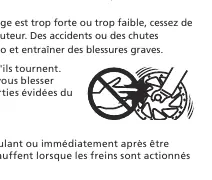
Braking Safety: Hydraulic disc brakes have different characteristics compared to rim brakes, offering higher initial braking force. Familiarize yourself with these characteristics before riding. Do not touch calipers or rotors during or immediately after riding, as they become hot. Keep fingers away from rotating disc rotors to avoid injury.
Mineral Oil: Use only genuine Shimano mineral oil. In case of eye contact, flush with fresh water and seek medical advice. In case of skin contact, wash with soapy water.
Pre-ride inspection
Before every ride, check the following items. If any issues are found, consult your place of purchase or a distributor:
- Check for any signs of brake oil leakage.
- Verify that front and rear brakes function correctly.
- Ensure brake pads have a thickness of 0.5 mm or more.
- Inspect the disc brake rotor for cracks or deformation.
- Ensure gear shifting occurs when shift switches are operated.
- Verify that levers are securely installed to the handlebar.
- Check for any abnormal noises during operation.
- Ensure sufficient charge remains in the coin batteries.
Maintenance and operation
Brake Pads and Rotors: Do not use brake pads if they are 0.5 mm thick or less. Do not use disc brake rotors if they are cracked, deformed, or if their thickness is 1.5 mm or less. If the aluminum surface of the rotor becomes visible, stop using it immediately.
Bed-in Period: Disc brakes require a bed-in period during which braking force will gradually increase. Exercise caution during this time, especially when pads or rotors are replaced.
Brake Rotor Size: The braking force increases with the size of the disc brake rotor (140 mm, 160 mm, 180 mm, 203 mm). Do not use a 203 mm disc brake rotor. Only use a 180 mm rotor if a 160 mm rotor does not provide sufficient braking force.
Technical specifications
- Frequency band: 2.4 GHz
- Maximum radio-frequency power: <10 dBm
- Firmware version: 4.0.0 or later
Practical help
Common problems
Brake lever stroke increases suddenly
Stop using the brakes immediately and consult your place of purchase or a distributor.
Brake fluid leakage
Do not use the brakes; consult a distributor for inspection and repair.
Brake pads are 0.5 mm thick or less
Replace the brake pads immediately to ensure safe operation.
Disc brake rotor is cracked or deformed
Replace the rotor immediately; do not continue to ride.
Before use
- Check for brake oil leakage.
- Verify front and rear brakes function correctly.
- Ensure brake pads are at least 0.5 mm thick.
- Inspect disc brake rotor for cracks or deformation.
- Check that shift switches operate correctly.
- Ensure levers are securely installed to the handlebar.
- Check for abnormal noises during operation.
Specs in practice
- Frequency band
- 2.4 GHz wireless communication frequency.
- Maximum radio-frequency power
- Less than 10 dBm.
- Firmware version
- Must be 4.0.0 or later.
- Disc brake rotor sizes
- Compatible with 140, 160, and 180 mm. 203 mm is prohibited.
Model compatibility
- Do not use 203 mm disc brake rotors.
- Only use 180 mm rotors if 160 mm rotors do not provide sufficient braking force.

Manual page author
David Miller
Documentation analyst
Organizes user manual content into clear summaries, with attention to model details, product context, and everyday usability.