Automotive / Electric Vehicles
Emergency Response Guide for Tesla Model Y 2025-Present
A comprehensive emergency response and rescue guide for the 2025-Present Tesla Model Y. This guide covers vehicle identification, stabilization, high-voltage system disabling, emergency access, and fire/submersion procedures.
PDF source: KO · summary: English
Table of contents
Manual images
Click an image to enlargeImportant Safety Information
This guide is intended for emergency responders. Always wear appropriate Personal Protective Equipment (PPE) when approaching the vehicle. Be aware that the absence of engine noise does not mean the vehicle is off; it may move silently or restart unexpectedly.
Vehicle Identification
The Tesla Model Y is a pure electric vehicle. The Tesla badge indicates it is an electric vehicle. Note that the model name is not displayed on the exterior of the vehicle.
Stabilization and Lifting
To stabilize the vehicle:
- Chock the wheels to prevent movement.
- Ensure the vehicle is in Park.
- Use only the designated lift points located on the sides of the vehicle.
- Avoid applying pressure to the high-voltage battery located in the floor.
Disabling the High-Voltage System
To disable the high-voltage system:
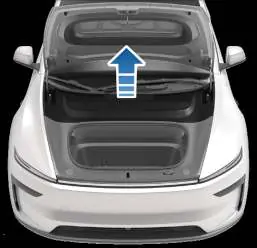
- Open the hood.
- Locate the emergency response loop.
- Cut the emergency response loop twice to ensure the system is disabled.
Warning: Do not attempt to open the high-voltage battery. All high-voltage cables are insulated in orange.
Accessing the Vehicle
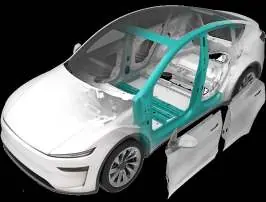
In the event of a collision, electronic and mechanical door locks may be damaged. The vehicle body is made of steel, with aluminum doors. The windshield, roof glass, and rear windows are made of laminated glass, while side windows may be tempered or laminated.
Fire and Submersion Procedures
In case of fire, use large amounts of water to cool the battery from the bottom. Monitor the battery temperature for at least 24 hours as there is a risk of re-ignition. If the vehicle is submerged, treat it as any other submerged vehicle. After removing it from the water, lift the front of the vehicle by approximately 30cm to drain water from the battery pack, then keep it level.
Towing and Transport
Always use a flatbed tow truck. Towing the vehicle with wheels on the ground is strictly prohibited. Ensure the high-voltage battery temperature is checked before transport.
Practical help
Common problems
Vehicle appears off but may be active
No engine noise does not mean the vehicle is off. It may move silently or restart. Always wear PPE.
Need to disable high-voltage system
Open the hood and cut the emergency response loop twice.
Vehicle is submerged
Treat as any other submerged vehicle. Wear PPE. Lift front 30cm to drain water, then keep level.
Before use
- Wear appropriate PPE
- Chock the wheels
- Ensure vehicle is in Park
- Identify high-voltage battery location
- Check for orange high-voltage cables
Show more Show less
Specs in practice
- Orange Cables
- Indicate high-voltage components. Do not cut or open.
Images and diagrams
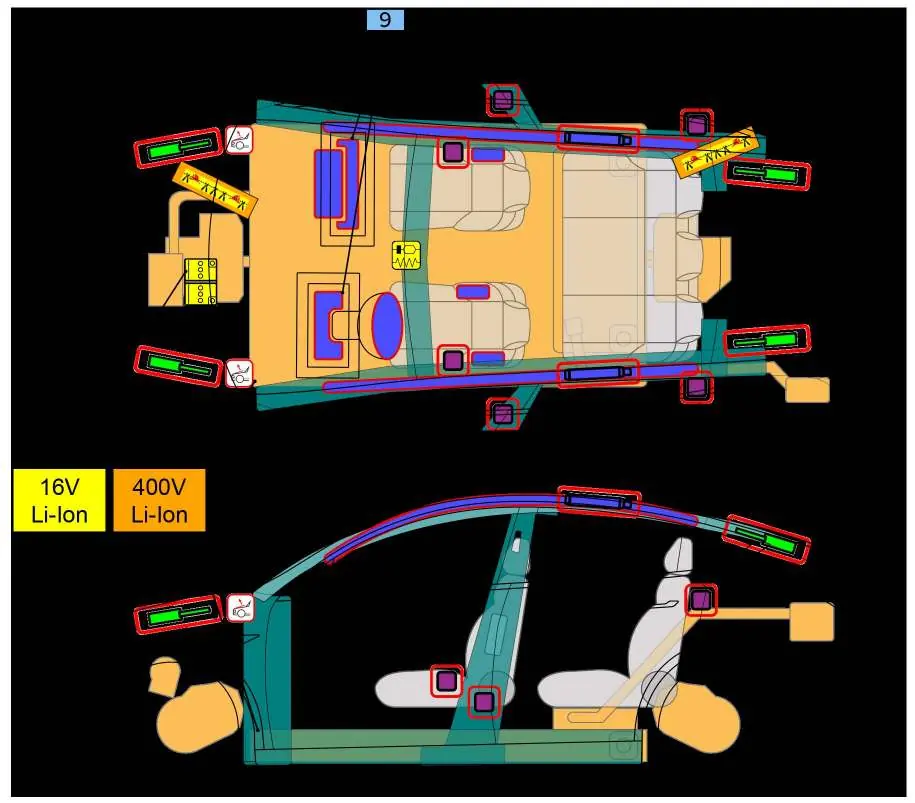
- Vehicle layout showing airbag, SRS, and high-voltage components
- Lift points for safe stabilization
- Emergency response loop location under the hood
Model compatibility
- Applies to 2025-Present Tesla Model Y

Manual page author
Michael Turner
Technical manual editor