Automotive / Garage Equipment
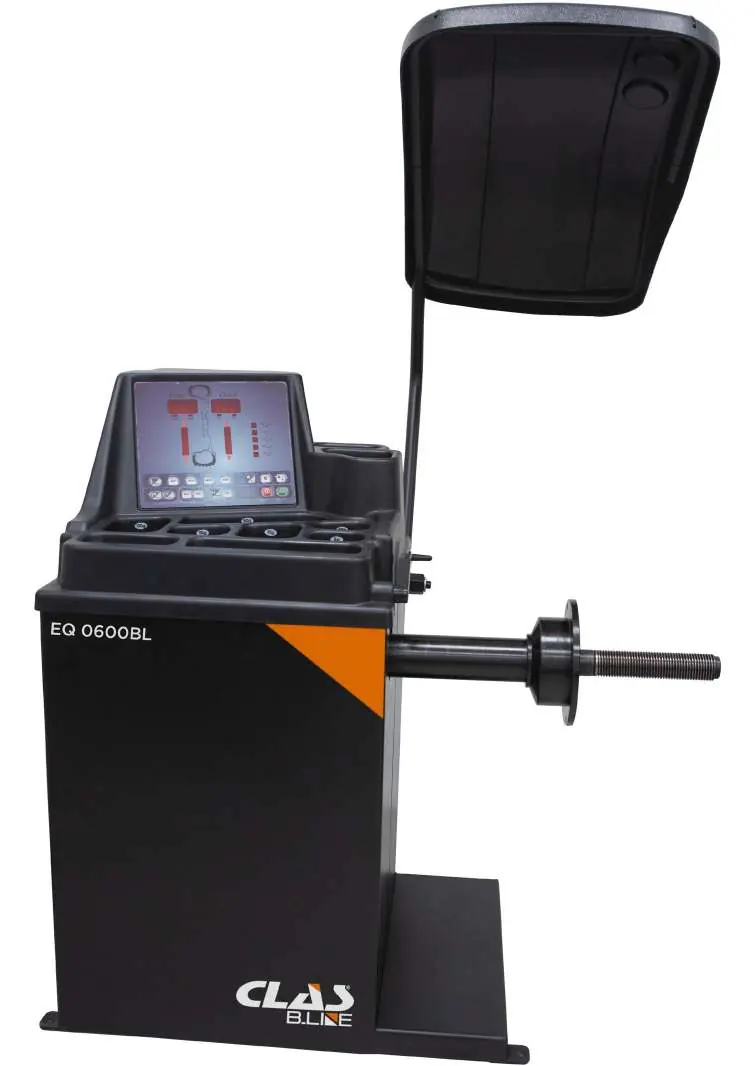
CLAS EQ 0600BL Motorized Wheel Balancer
A comprehensive user guide for the CLAS EQ 0600BL motorized wheel balancer. This manual covers installation, operation, balancing modes, calibration procedures, maintenance, and troubleshooting.
Table of contents
Manual images
Click an image to enlargeQuick guide from the manual
The CLAS EQ 0600BL is a motorized wheel balancer designed for car and motorcycle wheels. Before operation, ensure the machine is installed on a firm, level floor and properly grounded. Always wear protective gear, including gloves and safety glasses, during operation. In case of emergency, press the STOP button immediately. Ensure the wheel is securely locked on the main shaft before starting any balancing cycle.
Installation
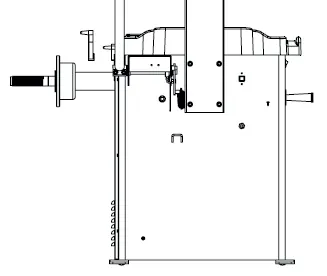
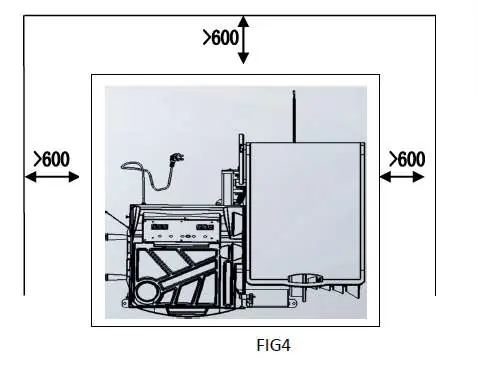
The machine must be installed in a protected environment, free from water exposure, with a minimum lighting level of 300 lux. Environmental conditions must be between 0°C and +50°C with 30-80% relative humidity.
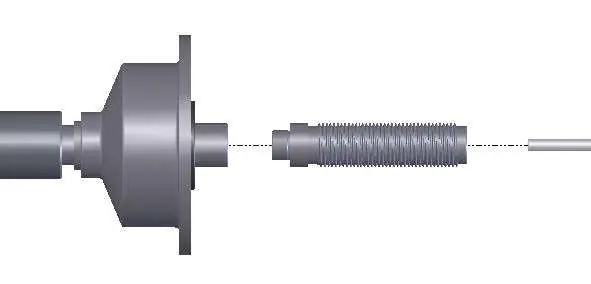
- Main shaft installation: Clean the center hole of the shaft and the connection part using ethyl alcohol and compressed air. Fix the threaded shaft onto the balance shaft using the provided bolt.
- Electrical connection: Must be performed by qualified personnel. The machine requires a 220V 50Hz power supply. Ensure the power cable is grounded and the circuit is protected by a 30mA circuit breaker and a fuse.
- Mechanical setup: Fix the machine to the floor using the base bolts.
Operation
The machine features a digital display and control panel. Use the ALU button to select the appropriate balancing mode based on the rim shape.
- DYN: Standard dynamic balance, weights on both edges.
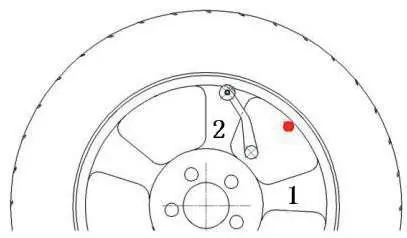
- ALU1-ALU5: Various modes for alloy rims, requiring specific weight placement on the inner/outer planes or behind spokes.
- STA: Static balance mode.
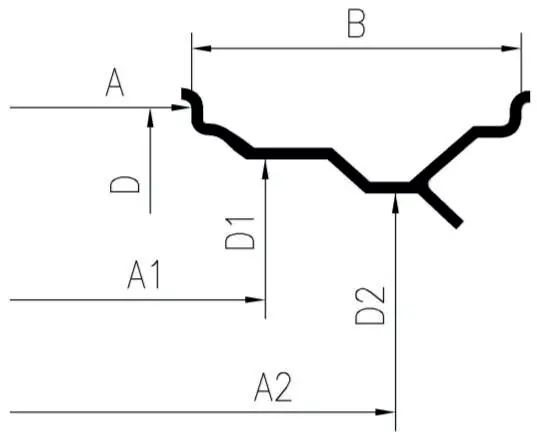
To operate, input the wheel parameters (A, B, D). The machine can automatically measure A and D values using the gauge. Press START to begin the cycle. After the rotation stops, rotate the wheel by hand until the position LEDs light up to indicate where to apply the weights.
Calibration
If measurements are inaccurate, perform the 100g calibration or scale calibration. For 100g calibration, install a wheel, input parameters, press FINE+ABD, and follow the prompts to apply 100g weights to the specified positions.
Maintenance
Keep the work area clean. Never use compressed air or water jets to clean the machine. Regularly clean the shaft, securing nut, and centering cones with environmentally friendly solvents. Lubricate the motor and balance shaft periodically. If the machine is used frequently (more than 2 hours/day), check bearings twice a year.
Troubleshooting
If the machine displays errors, consult the error list. Common issues include encoder board damage, power board faults, or incorrect wheel installation. If the shaft does not rotate, check the encoder board and motor connections.
Manufacturer information
CLAS EQUIPEMENTS
Practical help
Common problems
Error 1 appears during shaft rotation
Check the encoder board, power board, or motor for damage.
Protection cover does not lower
Adjust or replace the stroke switch.
Wheel reverse rotating
Verify that the motor wiring is correct.
Unbalance weight is too big
Verify that the wheel is installed correctly and free of debris.
Before use
- Ensure power supply is 220V 50Hz
- Verify effective ground connection
- Clean the main shaft and centering cones
- Check tire pressure
- Ensure the wheel is securely locked on the shaft
- Wear protective gloves and glasses
Specs in practice
- Max wheel weight
- 65kg
- Rim diameter
- 10" - 24" (256mm - 610mm)
- Rotation speed
- Approximately 200 rpm
Images and diagrams
- Main shaft installation: Shows how to fix the threaded rod to the balance shaft.
- Rim measurement: Illustrates the A, B, D, D1, D2 parameters required for balancing.
- Weight hidden function: Shows how to split weights behind spokes.
Model compatibility
- Suitable for steel and aluminum rims.
- Supports motorcycle wheel balancing with optional kit.

Manual page author
Michael Turner
Technical manual editor
Reviews PDF manuals for structure, safety notes, and practical product details so readers can find the right information quickly.