Industrial / Electrical
Installation Guide for Falcon Ridge Honda Pioneer 700 Full Cab with Aero-Vent Windshield
A comprehensive installation and care guide for the Falcon Ridge Full Cab with Aero-Vent Windshield for Honda Pioneer 700, including step-by-step mounting instructions, cleaning tips, and storage recommendations.
Table of contents
Manual images
Jump to the sectionQuick guide from the manual
This document provides installation instructions for the Falcon Ridge Full Cab with Aero-Vent Windshield for the Honda Pioneer 700. Important: Installation is best performed at temperatures of 70 degrees F (21 degrees C) or warmer to ensure proper adhesion of the Velcro strips. If installing in colder conditions, store the adhesive Velcro at room temperature before starting.
Installation and Mounting
Before beginning, ensure you have a clean, flat surface to lay out the enclosure. Verify all parts against the included list, which contains various lengths of Velcro hook strips, webbing straps, and screw snaps. If any parts are missing, contact customer service at 606-845-7439.
Installation Steps:
- Drape the enclosure over the roll cage with the help of another person.
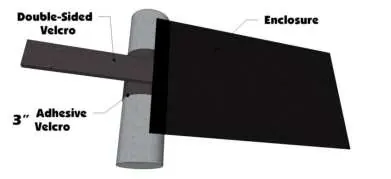
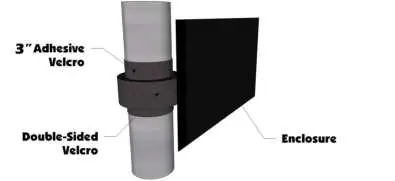
- Use the double-sided Velcro strips sewn to the enclosure to secure it to the roll cage. Wrap the roll bar with the provided 3-inch adhesive Velcro strips first, then wrap the double-sided strip around it for a secure hold.
- Attach the rear door tabs by placing 32-inch adhesive strips down the bar facing the rear of the vehicle.
- Secure the front lower corners using 9-inch adhesive strips.
- Install snaps on the inside front section of the plastic doors. Place the screw snap stud into the socket on the enclosure, position the door, and mark the plastic before screwing the snap into place. Do not overtighten.
- Install the rear window by placing a 42-inch adhesive Velcro strip across the top rear bar.
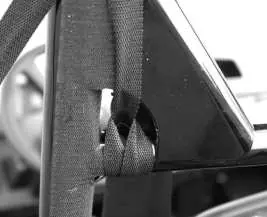
- Attach webbing straps based on your windshield type: use grommet straps if your windshield has bolts, or Velcro straps wrapped around the roll cage if it does not.
- Lace the top straps through the ladder lock buckles on the front and rear corners of the top, then tighten to center the enclosure.
Cleaning and Maintenance
To maintain the enclosure and prevent scratching the clear vinyl windows:
- Clean only with a soft rag or sponge using a mild liquid detergent and warm water.
- Never rub the windows with a dry cloth.
- Allow the enclosure to dry completely before rolling it for storage.
- Always roll the enclosure for storage rather than folding it, as folding can damage the vinyl windows. Roll to a diameter of approximately 8 inches.
Practical help
Common problems
Adhesive Velcro not sticking properly
Ensure installation is done at 70 degrees F or warmer. If cold, store adhesive strips at room temperature before applying.
Vinyl windows scratched during cleaning
Never use a dry cloth or rag. Use a soft rag or sponge with mild liquid detergent and warm water.
Damage to vinyl windows during storage
Do not fold the enclosure. Always roll it to a diameter of approximately 8 inches.
Before use
- Verify all parts against the included list (Velcro strips, straps, snaps).
- Ensure the installation area is clean and free of dirt.
- Check that the ambient temperature is at least 70 degrees F.
- Have a second person available to help drape the enclosure over the roll cage.
- Inspect the enclosure for any damage before installation.
Specs in practice
- Installation Temperature
- 70 degrees F or warmer is required for the adhesive Velcro to bond correctly.
- Storage Method
- Roll the enclosure to an 8-inch diameter; do not fold to avoid window damage.
Images and diagrams
- The manual provides diagrams showing how to secure the enclosure to the roll cage using a combination of 3-inch adhesive Velcro and double-sided Velcro strips.
- A diagram illustrates the correct method for lacing straps through the ladder lock buckles to secure the top.
Model compatibility
- Designed specifically for the Honda Pioneer 700.
- Webbing strap installation method depends on whether your existing windshield uses bolts or not.

Manual page author
David Miller
Documentation analyst
Organizes user manual content into clear summaries, with attention to model details, product context, and everyday usability.