Garden / Pool Equipment
VEVOR Dual Speed Pool Pump User Manual
Comprehensive user guide for the VEVOR Dual Speed Pool Pump (models VVPS215BUS and VVPS220BUS). Includes detailed instructions on installation, electrical wiring, priming, maintenance, winterization, and troubleshooting.
Quick answers from the manual
Quick answer
- The VEVOR Dual Speed Pool Pump requires installation by a qualified professional. Before operation, the strainer housing must be filled with water. Wiring must be performed by a licensed electrician in accordance with local codes and the NEC. p. 3, 4, 5, 7
Key actions
- Fill the strainer housing with water before starting the motor to prevent seal damage. p. 5, 9
- Drain the pump for winter storage by removing the drain plug and strainer lid. p. 9
First start
- Ensure all valves are open, fill the strainer housing with water, and verify electrical connections are secure. p. 5, 9
Show 4 more answers Show less
Problems and fixes
Pump won't prime
Check for air leaks in suction piping, ensure strainer housing is full of water, and verify valves are open.
p. 10Maintenance and reset
- Clean the strainer immediately if it is full of debris. p. 9
Technical specifications
| Parameter | Value | Meaning | Pages |
|---|---|---|---|
| Voltage | 230V | Operating voltage | p. 2, 6 |
| THP | 1.5 / 2.0 | Total Horse Power | p. 2, 6 |
Where to find it in the PDF
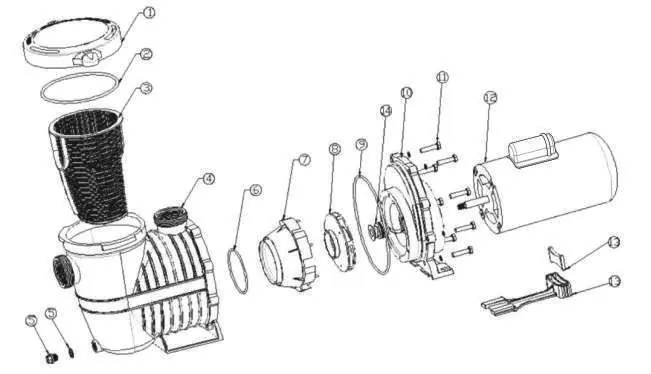
- Parts Diagram p. 3
- Wiring Instructions p. 7, 8
- Troubleshooting p. 10, 11
Table of contents
Manual images
Click an image to enlargeQuick Guide from the Manual
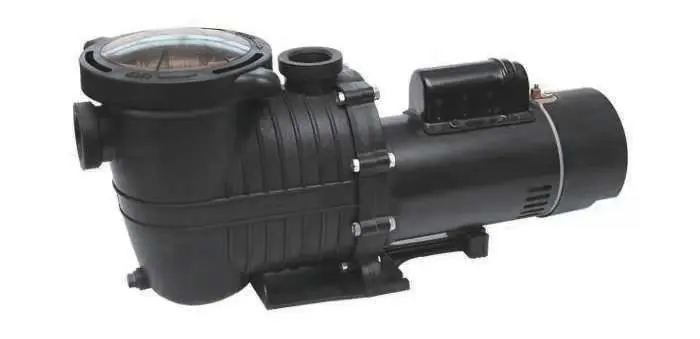
This manual provides essential instructions for the installation, operation, and maintenance of the VEVOR Dual Speed Pool Pump. Important: This product should be installed and serviced by a qualified pool professional. Always turn off the power and release all pressure from the system before performing any maintenance or servicing.
Safety Precautions
- Do not run the pump dry: Water acts as a coolant and lubricant for the mechanical shaft seal. Running the pump dry may damage seals, cause leakage, and void the warranty. Always fill the strainer housing with water before starting.
- Electrical Safety: All wiring must conform to local codes and the National Electric Code (NEC). Use copper conductors only. Always turn off power before working on electrical connections.
- Suction Safety: Stay off the main drain and away from all suction outlets to prevent entrapment.
- Children: Keep the product away from children.
Installation
Locate the pump as close to the pool and water level as possible to avoid suction reduction. Install on a firm, level, vibration-free base. Use Teflon tape on threads before screwing fittings to pump inlet and outlet ports to avoid leakage; do not over-tighten.
Wiring
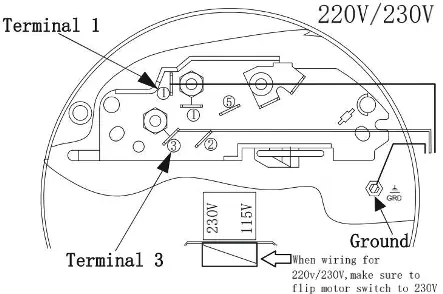
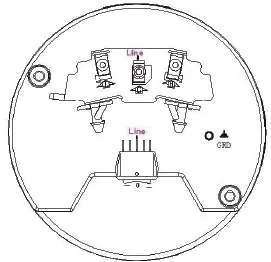
If the pump does not come with a power cord, wiring is required. Ensure the electrical supply is suitable for the motor's voltage, phase, and cycle. For 230V/115V models, ensure the switch is set to the correct voltage side. Ground wire must connect to the ground terminal.
Priming
Fill the strainer housing with water to the suction pipe level. If leakage occurs, do not start the pump. If no leakage occurs, stand at least 10 feet away and start the pump. Priming may take up to 5 minutes. If it does not prime, stop the motor and check for suction leaks or blockages.
Maintenance and Storage
Check the pump status regularly. Clean the strainer immediately if full of debris. For winter storage, drain the pump by pulling the drain plug from the strainer body and removing the strainer lid. Disconnect from the mounting pad, wiring, and piping, then store in a shady, dry area.
Troubleshooting
If the motor will not start, check wiring, GFCI, and circuit breakers. If the pump won't prime, ensure the strainer housing is full of water, the cover O-ring is clean and seated, and all valves are open. If the pump is noisy, check for debris in the impeller or improper mounting.
Manufacturer information
VEVOR
Practical help
Common problems
Motor will not start
Check for loose wiring, tripped circuit breakers, or blown fuses. Manually check if the motor shaft rotates freely.
Pump won't prime
Ensure strainer housing is filled with water, cover O-ring is clean and seated, and all suction/discharge valves are fully open.
Noisy pump
Check for debris in the impeller, ensure the pump is mounted on a rubber pad to reduce vibration, and inspect bearings for wear.
Motor hums but does not start
Check for a stuck centrifugal switch or binding of the motor shaft.
Before use
- Ensure the pump is installed on a firm, level, vibration-free base.
- Verify all electrical wiring conforms to local codes and NEC.
- Fill the strainer housing with water before starting the motor.
- Ensure all suction and discharge valves are fully open.
- Check that the strainer cover is locked firmly in position.
- Ensure the environment is ventilated enough for the motor to cool.
Show more Show less
Images and diagrams
- Exploded parts view showing the assembly order of the lid, strainer, diffuser, impeller, and motor.
- Wiring diagrams for 115V and 230V configurations.
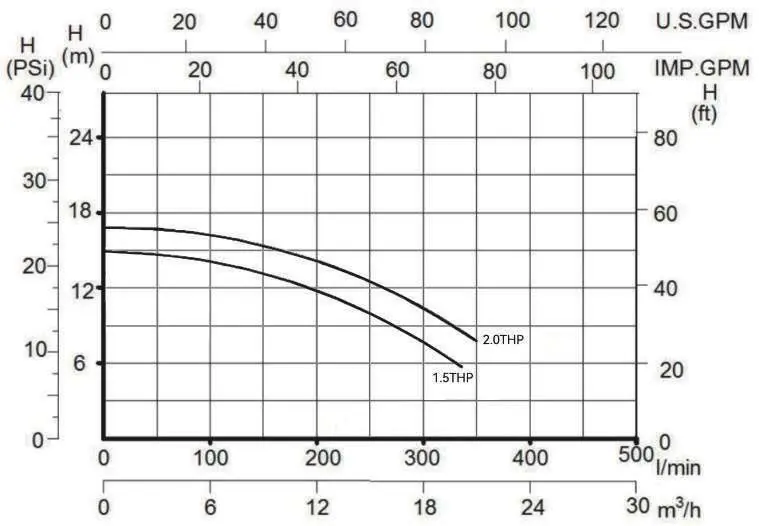
- Performance curves showing the relationship between head (H) and flow rate (GPM/L/min).
Model compatibility
- Designed for outdoor use.
- Requires copper conductors for wiring.
- Compatible with 60Hz single-phase electrical systems.

Manual page author
Michael Turner
Technical manual editor