Home / Weather Stations & Thermometers
User Manual for Acurite 01413M 3-in-1 Garden Meter
Quick guide for the Acurite 01413M 3-in-1 Garden Meter. Learn how to measure soil moisture, pH levels, and UV light intensity to optimize plant growth. Includes usage instructions, soil type tips, and recommended ranges for various plants.
Table of contents
Manual images
Click an image to enlargeQuick Start Guide
To get accurate readings with your Acurite 3-in-1 Garden Meter, follow these steps:
- Clear any stones, leaves, twigs, or other debris from the test area.
- Insert the probe into the soil to a depth of 5 inches (12.7 cm).
- Leave the probe inserted for approximately 1 minute to allow the meter to stabilize.
- Repeat these steps in an additional test area to confirm the accuracy of your readings.
Soil Moisture Information
Understanding your soil type is crucial for proper watering:
- Loam Soil: Very porous and retains moisture well. This is the optimal soil type and can be watered normally.
- Sandy Soil: Extremely porous and drains quickly. Water slowly to saturate soil root zones.
- Clay Soil: Holds more water but is slow to absorb and release. Do not water faster than the soil can absorb it.
Tips: If you have sandy or heavy clay soils, add compost or organic matter to improve water retention. Adding sand to clay or clay to sand creates a cement-like soil, which worsens water retention. Most plants require about one inch of water per week.
Soil pH Information
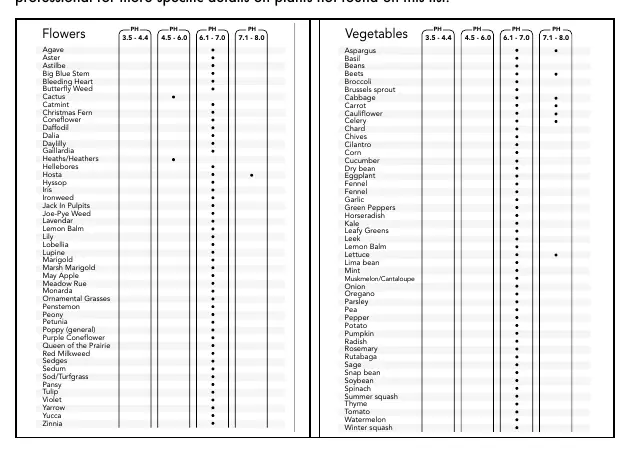
Soil pH affects nutrient availability. Most plants prefer a neutral soil with pH levels between 6 and 7.
- Increasing Soil pH: Apply finely ground agricultural limestone. The amount required depends on your soil type.
- Decreasing Soil pH: Add organic material like highly acidic sphagnum peat moss. You can also use elemental sulfur (90 or 99% sulfur material) or acidifying fertilizers like ammonium sulfate with repeated use.
UV Light Information
UV light is measured in lux and affects photosynthesis. Plants generally require between 5k and 100k lux per day.
- 5,000-10,000 lux: Low light intensity; good for shade-loving plants.
- 10,000-20,000 lux: Bright but indirect light; good for many plants that require indirect sunlight.
- 20,000-45,000 lux: Bright light; appropriate for plants that require good, strong light intensity.
- > 45,000 lux: Strong direct sunlight; good for plants with high light requirements.
Warranty and Support
Acurite provides a 1-year limited warranty. The product must be registered online at www.AcuRite.com to receive warranty service. For questions, contact Customer Support at (877) 221-1252.
Official resources from the manual
Manufacturer information
AcuRite
Practical help
Common problems
Inaccurate soil moisture readings
Ensure the probe is inserted to a full depth of 5 inches (12.7 cm) and wait at least 1 minute for the reading to stabilize.
Soil pH is too high
Add acidic amendments such as sphagnum peat moss, elemental sulfur, or acidifying fertilizers like ammonium sulfate.
Soil pH is too low
Apply finely ground agricultural limestone to the soil.
Before use
- Clear debris (stones, twigs) from the test area.
- Ensure the probe is clean.
- Insert probe to 5 inches (12.7 cm) depth.
- Wait 1 minute for stabilization.
Specs in practice
- 5 inches (12.7 cm)
- The required insertion depth for the probe to get an accurate reading.
Images and diagrams
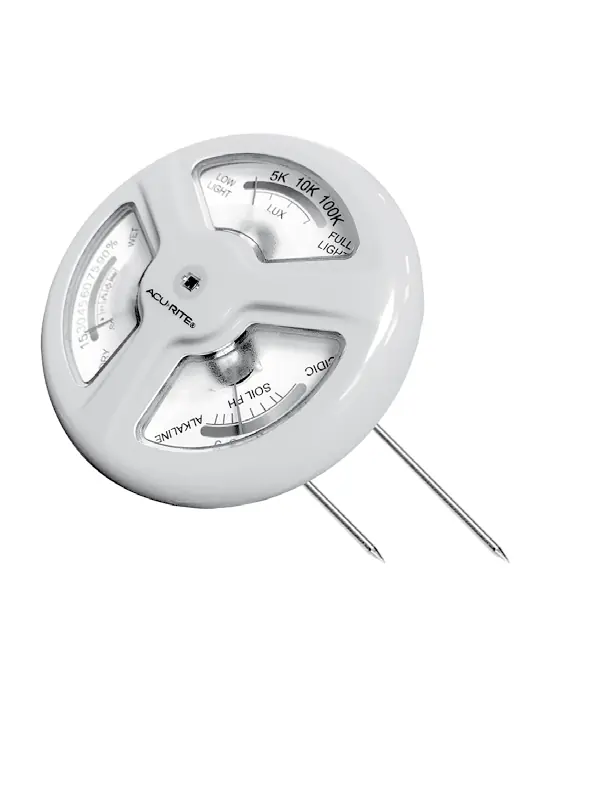
- The meter face displays three scales: Moisture (Dry to Wet), pH (Acidic to Alkaline), and Light (Low Light to Full Light).
Model compatibility
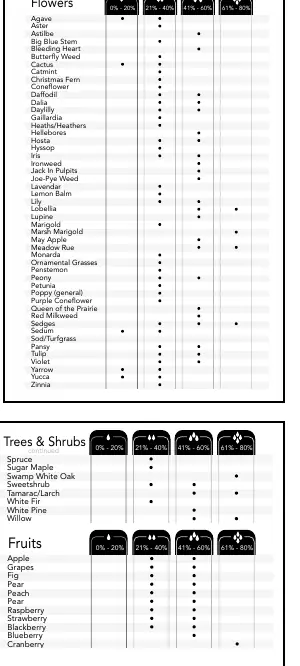
- All vegetables require soil moisture between 41% - 80%.
- Most plants prefer a neutral soil pH between 6 and 7.

Manual page author
David Miller
Documentation analyst
Organizes user manual content into clear summaries, with attention to model details, product context, and everyday usability.