Power / Energy Storage Systems
Owner's Manual for TWS MU Max Series Energy Storage Cabinet
Quick guide and technical specifications for the TWS MU Max Series energy storage cabinet (Model MU M10). Includes system parameters, environmental operating limits, and connectivity details.
Table of contents
Quick Guide and Overview
The TWS MU Max Series is a C&I (Commercial & Industrial) outdoor liquid-cooling energy storage cabinet designed for high efficiency and modular power station construction. Key features include:
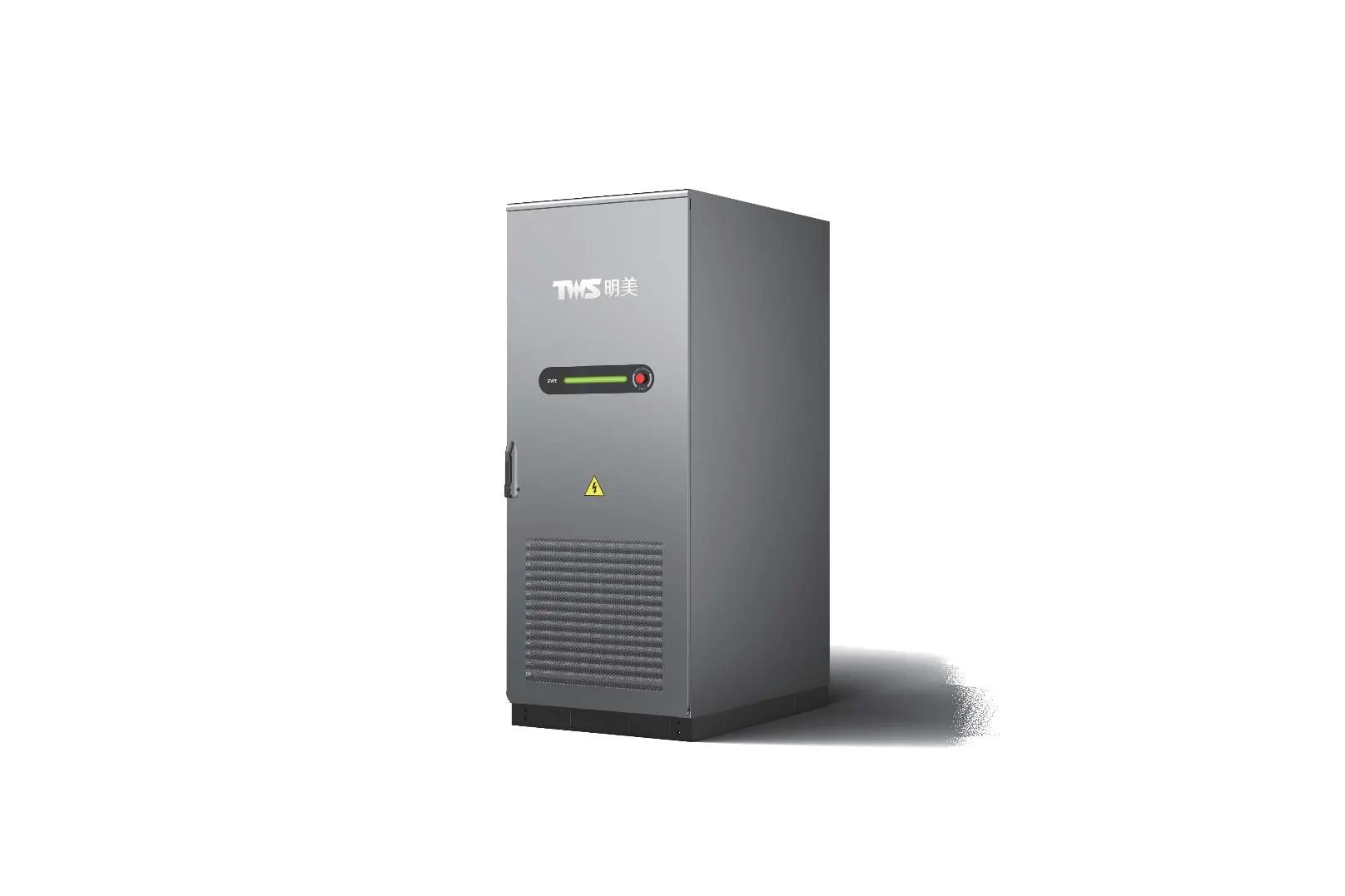
- Compact Design: Occupies 1.28 square meters with high capacity density.
- Modular Capability: Multiple cabinets can be connected in parallel for centralized control.
- Advanced Thermal Management: Liquid cooling system with intelligent dehumidification to prevent condensation and handle extreme temperatures.
- Safety: Equipped with pack-level and cabinet-level aerosol fire protection.
- Plug and Play: Pre-commissioned in the factory for easy on-site installation.
Technical Specifications
The system is designed for robust performance in various environments. Below are the core technical parameters for the MU M10 model:
- Cell Configuration: LFP 315Ah, 1P260S, 262 kWh capacity.
- Voltage Range: 650 V to 949 V.
- PCS Output: 125 kW rated output power (138 kW max).
- Grid Compatibility: 230 Vac / 400 Vac, 50 Hz / 60 Hz.
- Efficiency: System efficiency >90%; Cell energy efficiency ≥95%.
- Dimensions: 950 mm x 1350 mm x 2400 mm.
- Weight: 2500 kg.
Environmental and Operational Limits
To ensure longevity and performance, the system must be operated within specific environmental parameters:
- Operating Temperature: -30°C to +55°C. Note: Performance derating occurs if the temperature exceeds 45°C.
- Altitude: Max working altitude is 4000m. Note: Performance derating occurs if the altitude exceeds 2000m.
- Humidity: 0% to 95% (non-condensing).
- Protection Level: IP54 rating.
- Anti-corrosion Grade: C4-M.
Communication and Connectivity
The cabinet supports centralized control and monitoring via the following interfaces:
- Communication Interfaces: 4G, RS485, and LAN.
- Communication Protocol: Modbus TCP.
- Auxiliary Power: Self-powered system.
Practical help
Common problems
Performance Derating
The system will automatically derate output if the operating temperature exceeds 45°C or if the installation altitude is above 2000m.
Before use
- Ensure the installation site provides at least 1.28 square meters of floor space.
- Verify that the local grid voltage matches the 230 Vac / 400 Vac requirement.
- Confirm that the ambient temperature is within the -30°C to +55°C range.
- Prepare the communication infrastructure (4G, RS485, or LAN) to support Modbus TCP protocol.
- Ensure the site is suitable for a 2500 kg unit.
Specs in practice
- Liquid Cooling
- Advanced thermal management system used to maintain cell temperature stability and efficiency.
- 110% Overload
- The system is capable of handling a 10% overload capacity on a long-term basis.
Model compatibility
- Supports parallel connection of multiple cabinets for centralized control.
- Communication protocol is strictly Modbus TCP.

Manual page author
Emily Carter
User documentation editor
Prepares concise manual descriptions and highlights the most useful setup, operation, and maintenance information for readers.